
The Unseen Athlete
Uncovering the Untold Challenges and Systemic Issues Affecting Women in Sport

The Unseen Athlete is a platform dedicated to tackling sexism and promoting gender equality within the world of sport. Recognising the persistent challenges faced by women and girls in sport, it strives to shed light on the hidden realities that too often remain overlooked.
Through highlighting these challenges faced by women in sport and addressing issues that deeply matter to me, The Unseen Athlete aims to inspire meaningful change where women are celebrated in an environment without fear of discrimination or harassment.

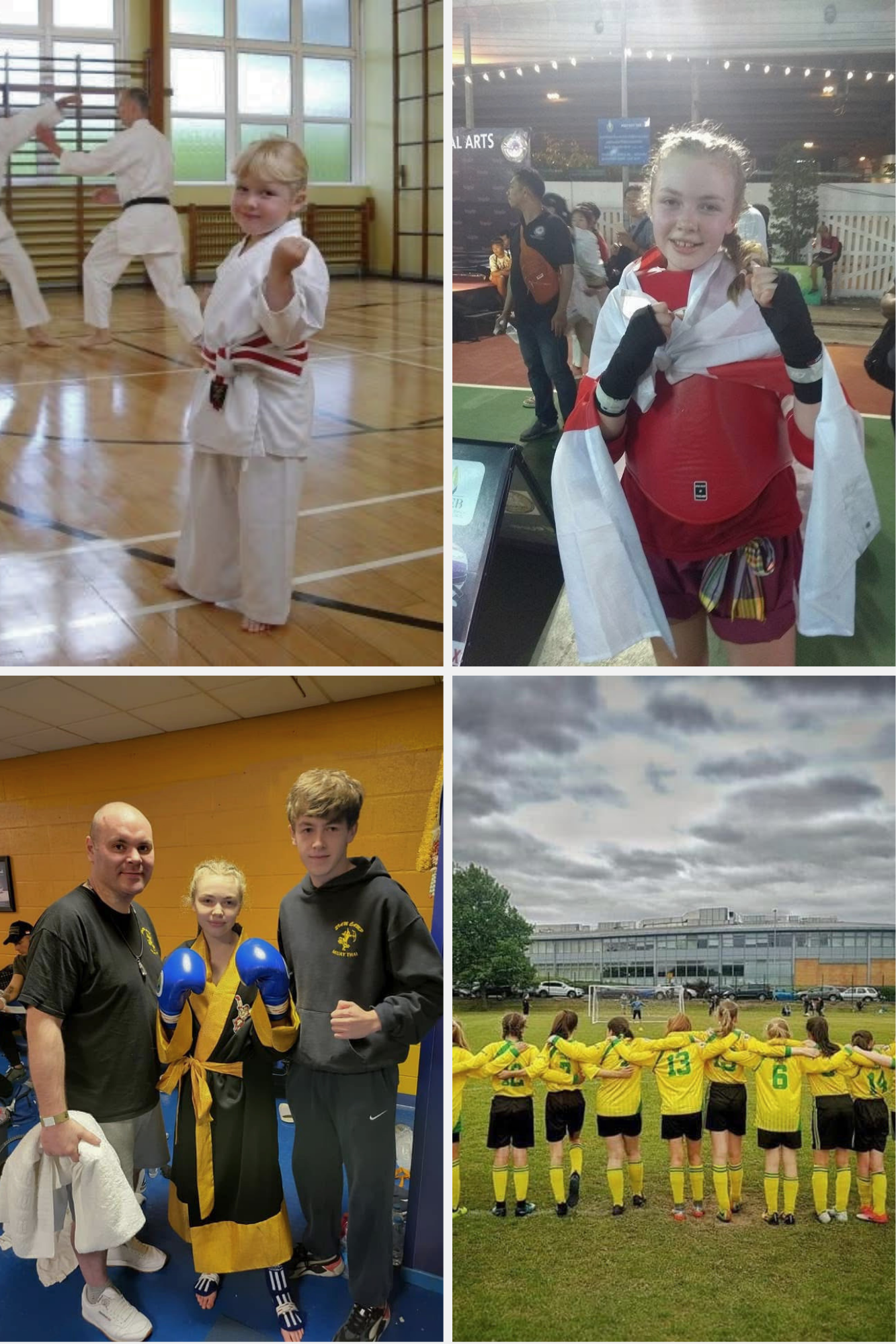
Having grown up immersed in sport, I have experienced first-hand both the opportunities and challenges that come with being a woman in sport. From navigating expectations surrounding performance and body image to witnessing issues such as injury and representation, these experiences have shaped my understanding of what often goes unseen.
The Unseen Athlete was created in response to this - both as a celebration of female athletes and as a platform to explore the realities that are frequently overlooked.

Female Voices in Sports Media
Meet the women leading the shift towards greater gender equality in sports coverage
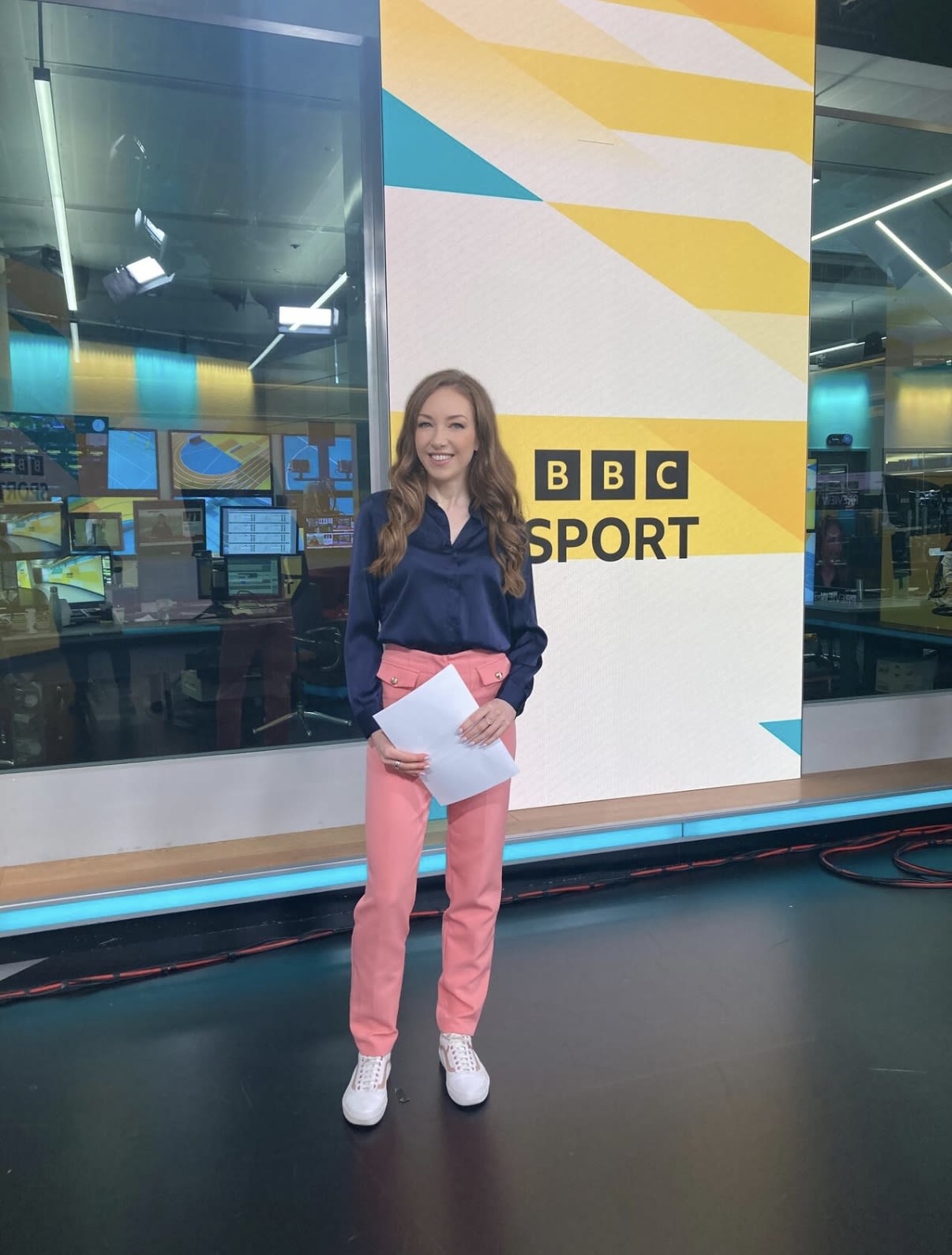
'It Was So Normalised': Rebecca Adams on Sexism, Sport and Online Abuse
By the time Rebecca Adams landed her first role at Sky Sports News, she had already accepted that breaking into sports broadcasting would require resilience. What she hadn’t anticipated was quite how normalised the culture she was entering would feel, or how long its legacy would linger.
“In my very first job, the boss of the production team would openly talk to the guys in the team about which of the presenters they found most attractive,” she recalls. One comment, in particular, stuck with her: “Oh I fancy such and such because she’s got the perfect boob to waist ratio.”
“It was just normal chit chat,” Rebecca says. “The other girls and I would roll our eyes, but it was so normalised.”
That normalisation extended beyond crude remarks. Informal power networks – football kickabouts on days off – doubled as editorial meetings. When Rebecca and other women asked to join, they were told bluntly: “No, girls don’t play football.”
If the newsroom offered one kind of exclusion, social media introduced another – louder, more direct, and often more personal.
Rebecca’s first experience of online abuse came after interviewing Andy Murray. A comment read: “This girl is a twat and she shouldn’t be allowed to interview anyone.”
“I was really upset by it,” she admits. “But now I just laugh because I think it’s hilarious.”
This shift, from hurt to humour, has become a survival strategy for many reporters to stay immune to the abuse hurled around this cut-throat industry.
As audiences grow, so too does the platform for criticism, and female broadcasters like Rebecca find themselves subjected to abuse that goes beyond professional critique.
Her response is pragmatic: block, move on, don’t engage. “Do something better with your time,” she says.
But not everyone can brush it off so easily. Terms like ‘diversity hire’, ‘token’ and ‘tick box’ are still thrown around at women in the industry. Moments that should mark career milestones are instead undermined, with achievements questioned and legitimacy challenged.
"Men are allowed to be emotional. Women aren't."
Despite everything, Rebecca insists the industry is changing, albeit unevenly.
“There is more awareness that women want to work in sport,” she says. “We are just as if not more capable of working in sport broadcast than our male counterparts because we feel the need to prove ourselves.”
Substantial change, Rebecca suggests, will require more than representation. It demands a shift in attitudes, both within media institutions and audiences.





When Visibility Becomes Vulnerability
The dark side of digital exposure for women in sports journalism
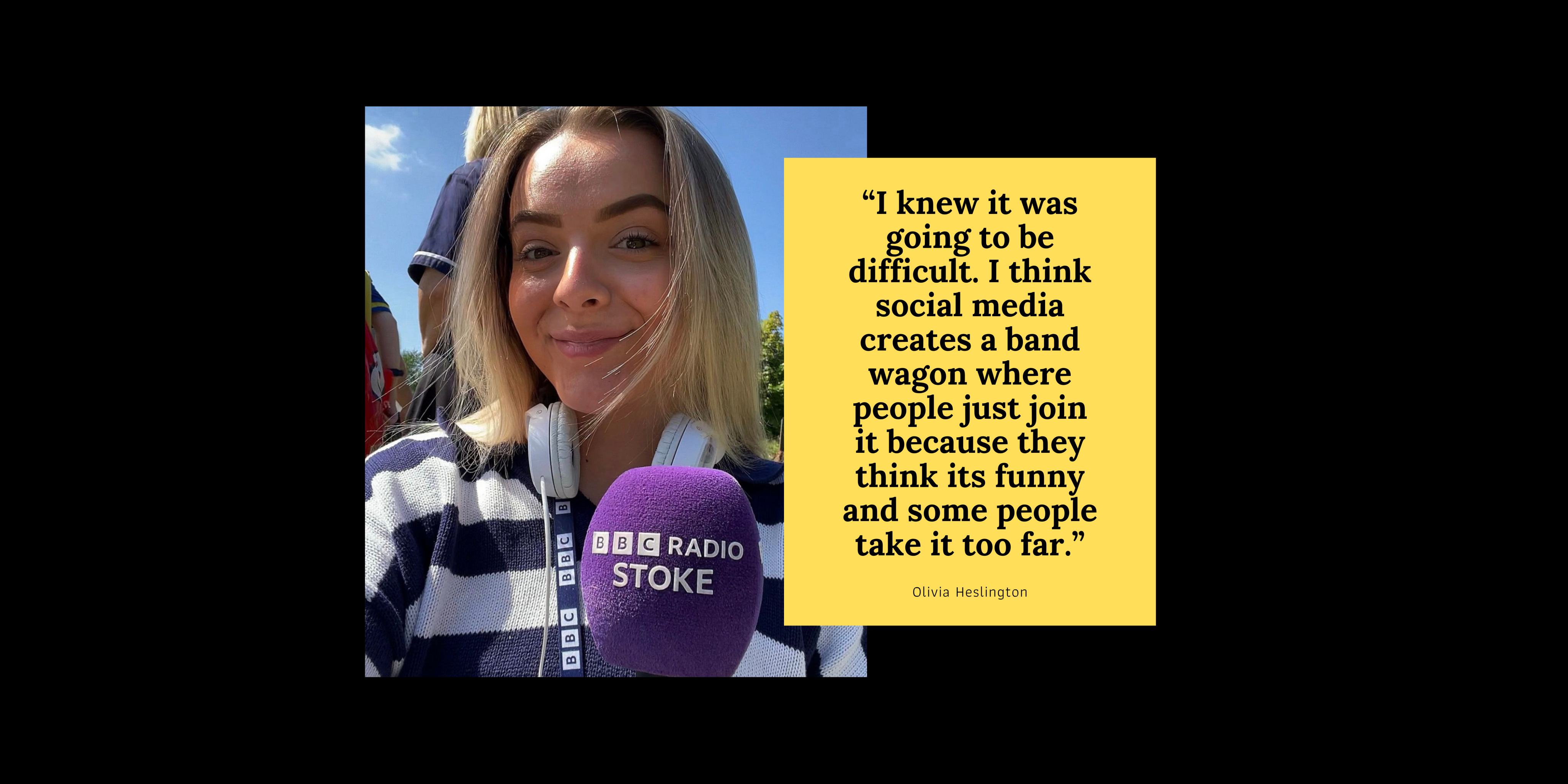
For Olivia Heslington, the isolation of working in a male-dominated industry was felt early, often as the only woman in the room. At university, the imbalance was already clear.
“There were only four girls on my course,” she recalls. “So you could already see it was still quite prevalent.”
But it was online where that isolation took on a more threatening form. After posting a photo from a Liverpool FC press box which unexpectedly reached tens of thousands of viewers, what followed was unsettling.
“My inbox was absolutely flooded,” she said. “People were telling me that they were going to look for me in the city centre, saying that I shouldn’t be there.”
The same platforms that offer visibility and exposure can also function as channels for targeted abuse. Social media, Olivia argues, amplifies hostility in ways that extend far beyond sport.
“People just believe anything they see with no logic behind it,” she said. “It’s a wider issue – not just in sport, but everywhere.”
Olivia’s experience reflects a broader pattern within the industry. While social media has opened doors for many aspiring individuals breaking into sports media, it has also intensified exposure to harassment.
Olivia's experience underscores the darker side of digital reach . However, laws like The Online Safety Act 2023 are implemented to protect children and adults online.
The Act aims to protect women and girls from illegal content such as harassment, stalking and controlling behaviour.
However, the sad reality is that there is truly no way to monitor this, as long as there are people who continue to promote these prejudice and sexist ideals.
The Menstrual Cycle
Understanding how hormonal changes can shape performance in women’s sport

The Menstrual Phase
Days 1-5
This occurs when an egg is not fertilised, causing the hormones oestrogen and progesterone to fall. As the thickened uterus lining is not needed to support pregnancy, this therefore sheds through the vagina.
Follicular Phase
Days 1-12
The Follicle Stimulating Hormone (FSH) causes the ovaries to produce follicles which contain an egg. Changing hormone levels cause the lining of the uterus to thicken, causing an increase in oestrogen. One of these follicles will grow bigger than the rest, which will then be released by the ovary.
Ovulation Phase
Days 13-15
As oestrogen rises, because the egg is maturing, the luteinizing hormone (LH) is also released. This hormone is responsible for triggering a mature egg to be released from the ovary. Once released, the egg then travels through the fallopian tube to meet a sperm if pregnancy is to happen.
Luteal Phase
Days 16-18
If the egg isn't fertilised, it will make its way to the uterus where it will be shed on the next period.
The menstrual cycle can have major affects on endurance performance for female athletes.
The Elite British Sportswoman Survey found 59.8% of athletes were affected by their period. Lower energy levels, aches, migraines, bloating and cramps were all reported to take a physical and mental toll, ultimately limiting athletic performance.
Despite this, the topic remains largely under-discussed in sport. Greater awareness and education are essential to ensure that female athletes can compete at optimal level without compromising performance.
Breaking With Tradition: How Eccles Rugby Club Challenged 125 Years of History
For something experienced by half the population and a routine part of female physiology, menstruation remains strikingly absent from public conversation – especially in sport.
Despite growing discussions surrounding mental health, injury prevention and athlete welfare, the menstrual cycle is still treated as an awkward afterthought in many sporting environments. For female athletes, that silence has consequences.
For 125 years, Eccles Rugby Club championed white shorts as part of its playing kit. But for many of the women who wore them, they were a source of silent anxiety.
Following concerns raised by female players over period anxiety and discomfort, the club has abandoned its long-standing white shorts in favour of navy – a decision that players say has transformed their confidence on the pitch.
“It’s made me feel better about myself,” says Sarah Williams, Eccles Ladies team manager. “I don’t have to worry about if I bend over in a scrum and I’ve leaked, no one is going to know.”
To outsiders, the change may appear cosmetic, but players say its psychological impact has been profound.
Jenny Lakin, the ladies vice-captain, said: “It just takes that edge off, that nervousness. You’re never going to get rid of it completely, that’s just the nature of being a woman. But not panicking as much on gameday is really helpful.”

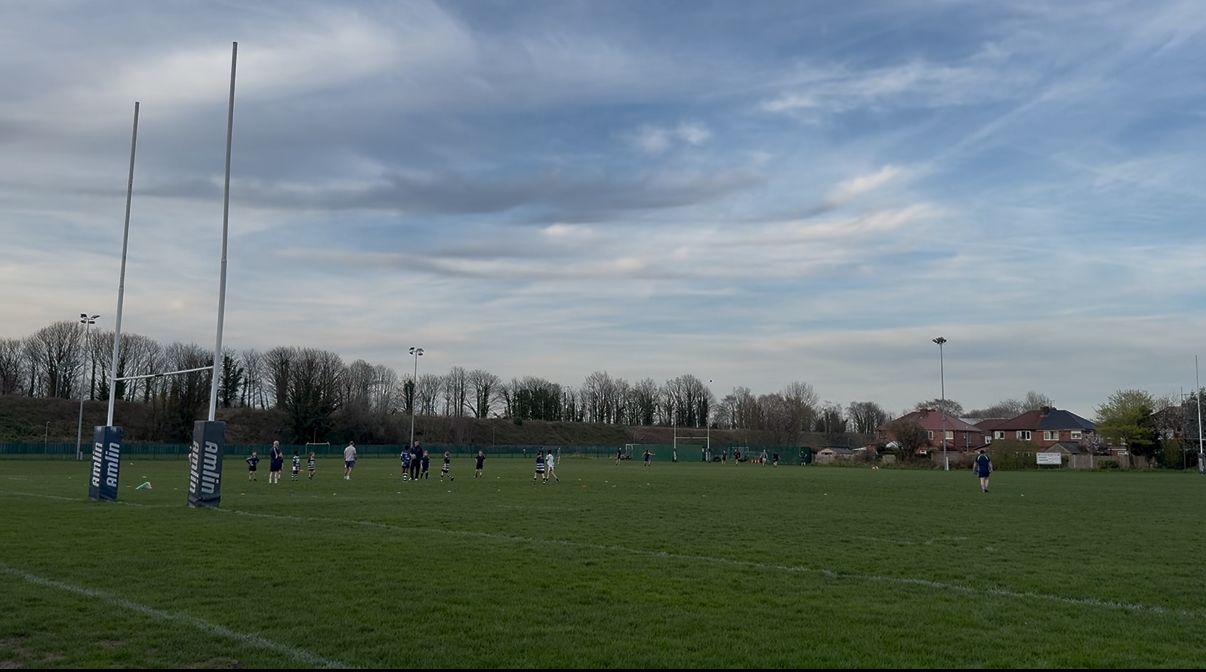

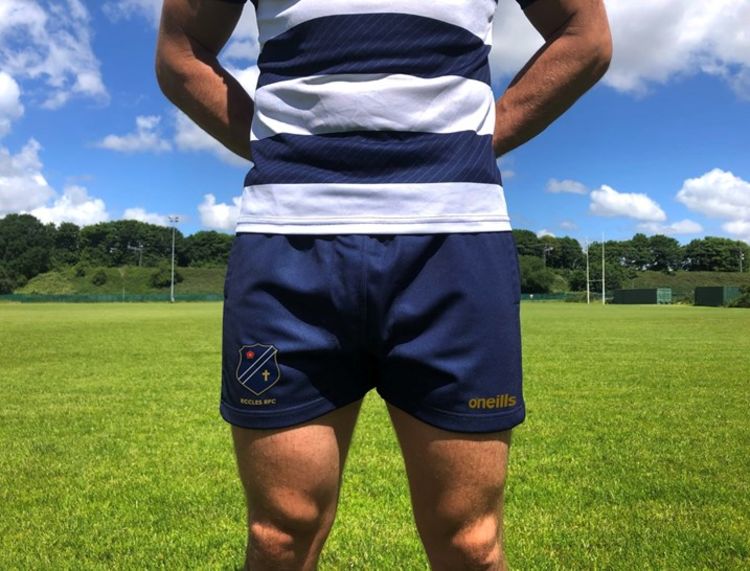
Eccles Rugby Club navy shorts (c) Eccles RFC
Eccles Rugby Club navy shorts (c) Eccles RFC

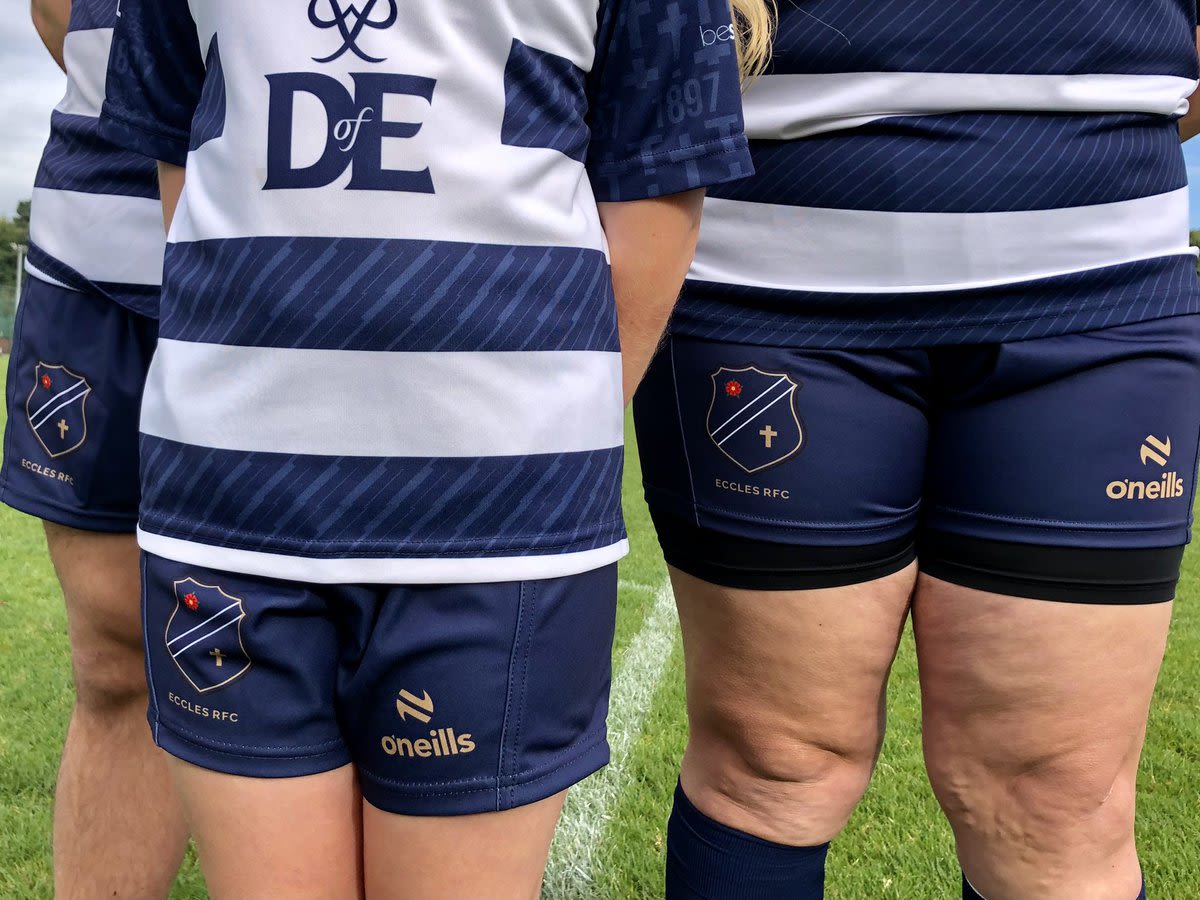
Eccles Rugby Club navy shorts (c) Eccles RFC
Eccles Rugby Club navy shorts (c) Eccles RFC
The push for change began at the club’s annual AGM, where one female member stood up and voiced what many had thought for years: ‘why were women still expected to wear white shorts?’
“If it wasn’t for that one woman we wouldn’t be where we are today,” Sarah recalled. “We’d still be walking around in white shorts and feeling uncomfortable.”
The response from the club has been overwhelmingly positive. In a show of solidarity, the men’s team also adopted the darker shorts.
For many players, the change has lifted the burden that they once had simply accepted as part of the game.
“I think it just shows that we’re being listened to, we’re not being ignored anymore,” says Karen Barrass, ladies player.
“It helps bring awareness to the fact that we can be athletes and women at the same time. It’s a big part of the life we have and there’s no reason why we can’t do both,” she said.
What may seem like a small practical adjustment is, in reality, emblematic of a broader cultural shift: one that recognises that women’s sports cannot continue to operate to standards built around male bodies.
And Eccles are not alone.
Across women’s sport, organisations are increasingly abandoning white kits in recognition of athletes’ concerns. In 2023, Wimbledon abandoned its long-standing all-white dress policy, allowing women to wear dark undershorts - a change widely welcomed as a practical and overdue step forward.
Football has followed suit. Several women’s teams, including the England Lionesses, have publicly declared they will no longer be wearing white shorts, placing comfort above convention.
This change signifies an important step in the right direction for women's sport, highlighting how women's concerns are being listened to and acted upon.
The Weight of Performance
Breaking the silence on eating disorders within women’s sport

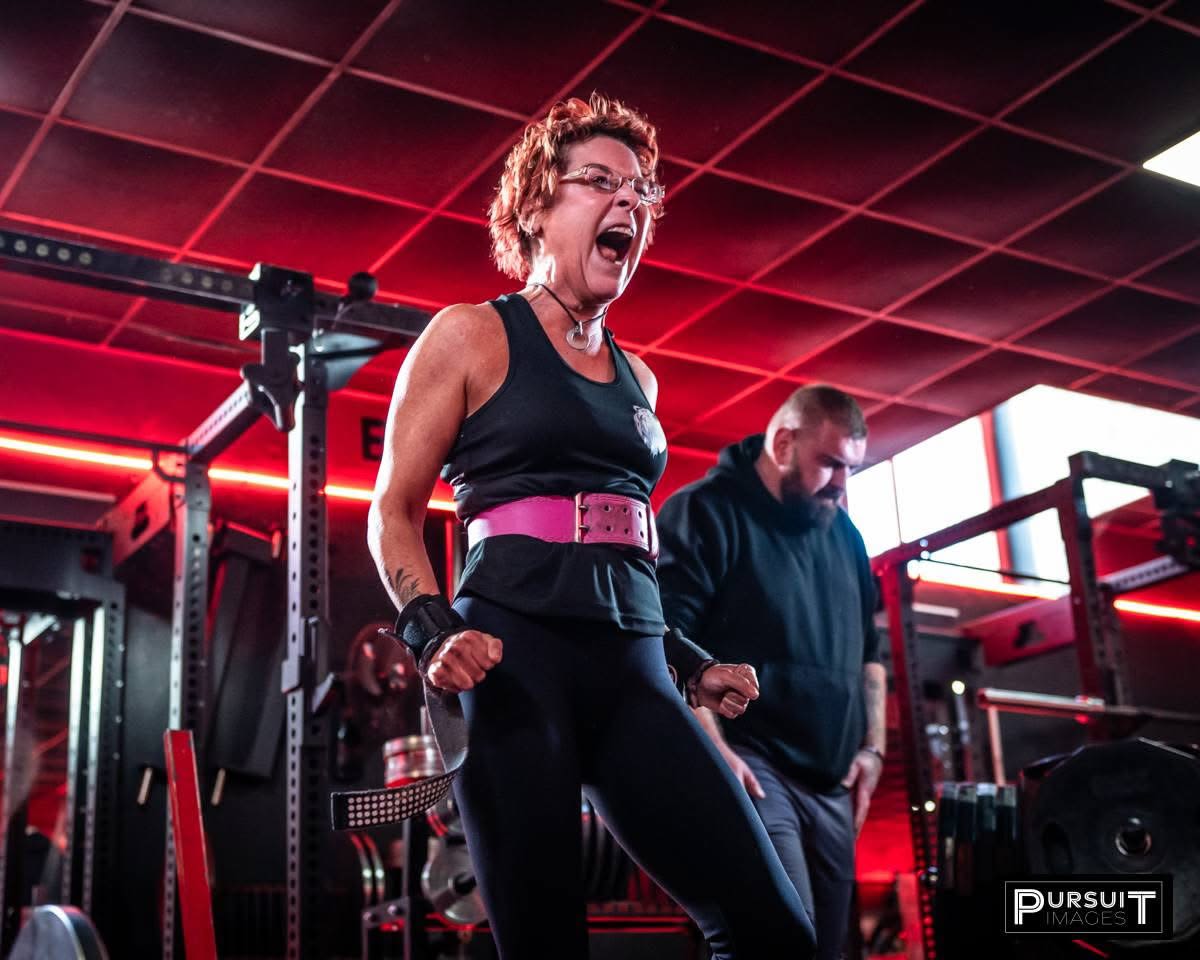
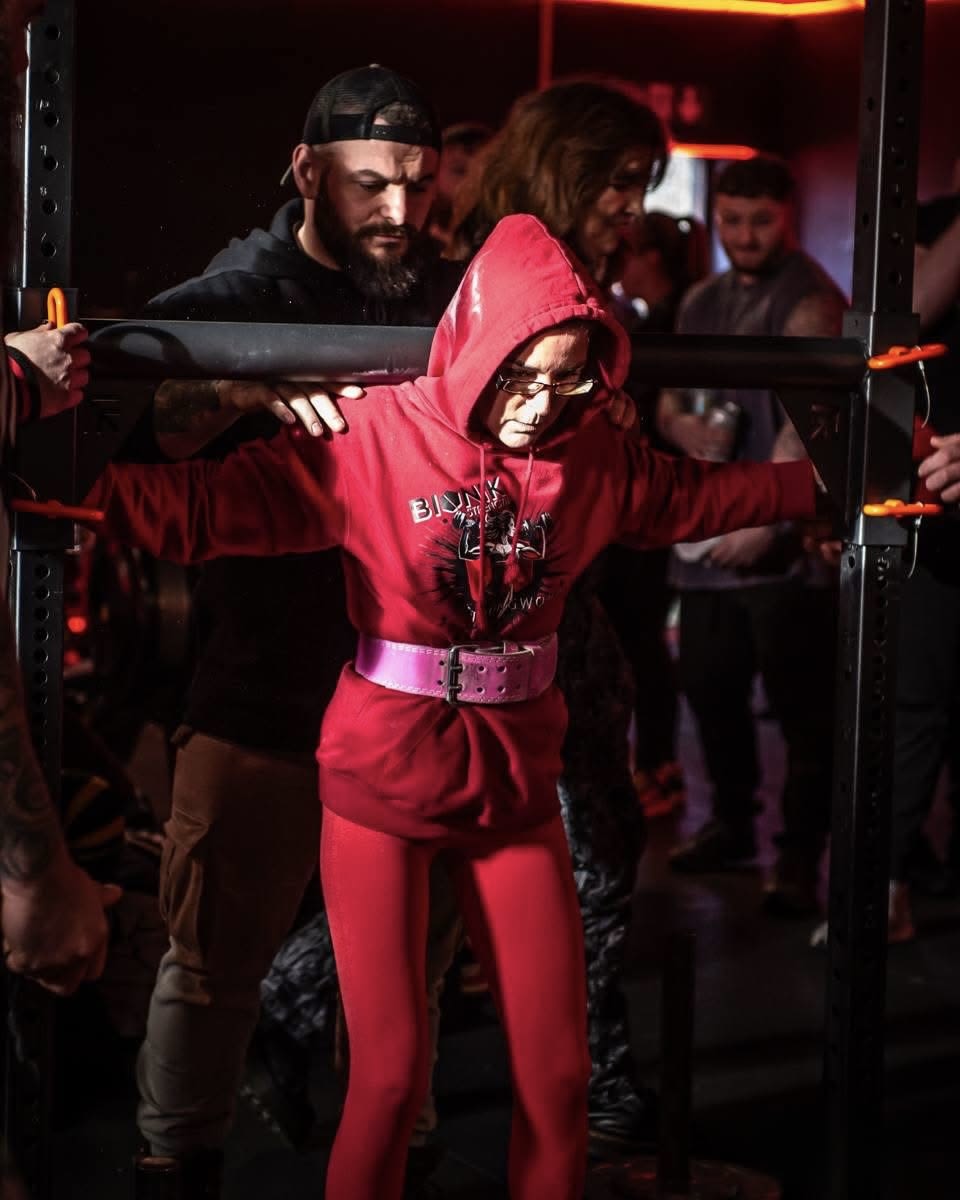
Emma Linley: Reclaiming Strength After Bulimia
After decades of battling an eating disorder, the strongwoman athlete explains how strength training transformed her relationship with food and her body
By any external measure, Emma Linley represents strength.
A competitive powerlifter in a sport built around discipline and physical resilience, Emma embodies the kind of athlete often celebrated for pushing the limits of human performance. Yet, behind the visible displays of strength lies a more uncomfortable truth about elite women in sport.
Eating disorders are often stereotyped as illnesses confined to fashion runways or aesthetic sports. But research increasingly shows that disordered eating is deeply embedded across the sporting landscape – particularly in environments where muscularity and strength are prized.
While around 1.6% of adults in the general population experience eating disorders, among female athletes that figure rises dramatically, with some studies suggesting rates as high as 42%. More concerning still, up to 70% of female athletes may engage in disordered eating behaviours, often including food restriction, compulsive exercise and repeated attempts to lose weight.
For Emma, strength training is more than competition. Its community, identity, and- perhaps most significantly- recovery.
For decades, Emma says, recovery felt impossible.
“I’d always wanted to stop. I tried therapies. I tried all sorts of things, but nothing kicked in. Nothing made me want to do it.”
What changed was not a therapist or medical intervention, but rather the practical demands of performance.
“My health wasn’t a good enough reason, weirdly,” she says. “Just being thin was the reason. And now it’s like, no- I need to be strong enough in my legs to pick things up. I need to be strong enough to get things over my head.”
Female athletes face heightened vulnerability to eating disorders due to pressures surrounding body image, weight categories and performance optimisation. In many environments, restrictive eating is normalised as discipline rather than recognised as dangerous.
Yet, Emma’s experience demonstrates how sport can also offer a framework for rebuilding relationships with food, when the focus shifts from appearance to function.
“It’s knowing what your body can do,” she says. “It’s pushing your body beyond what you thought you could.”
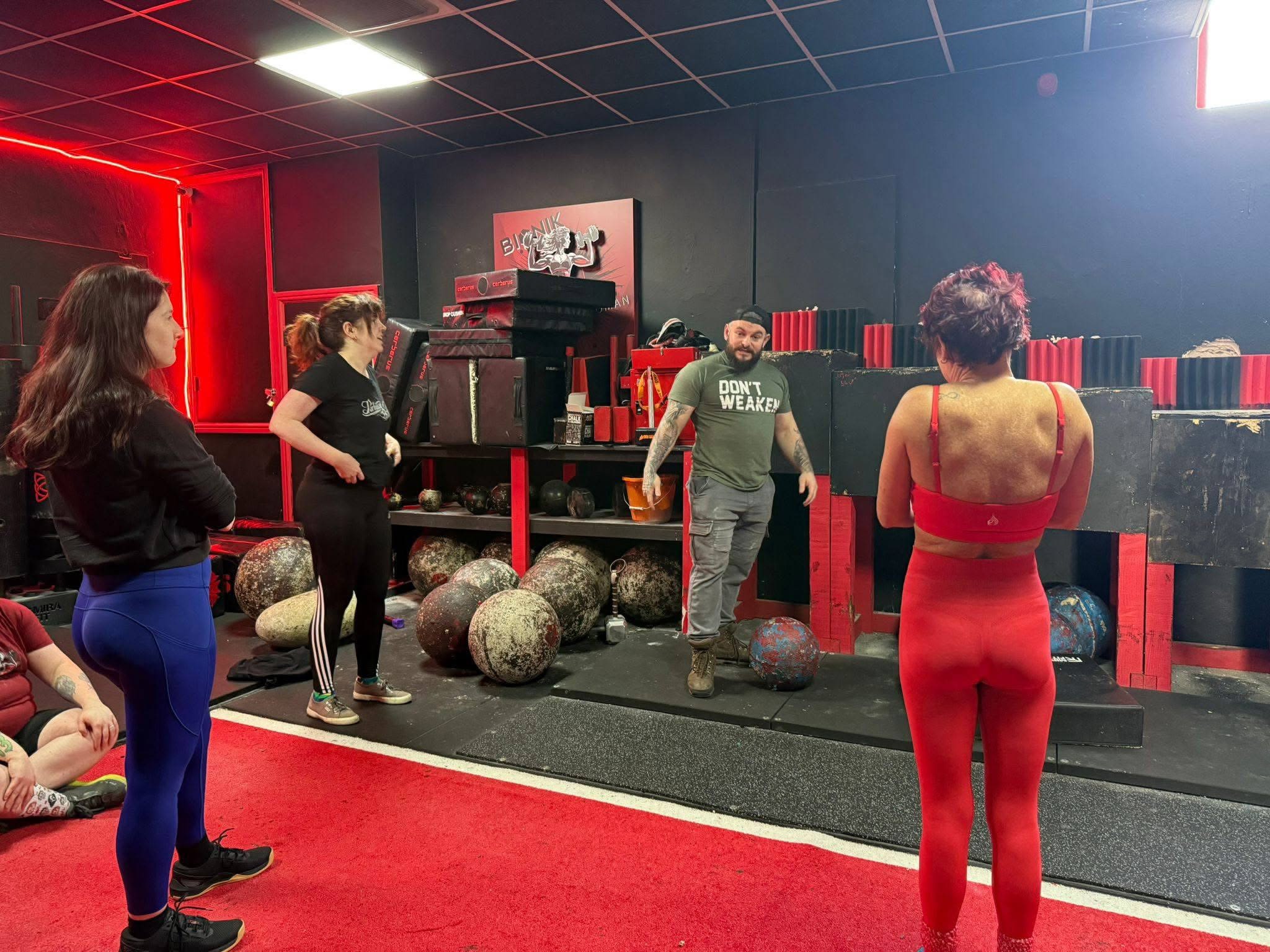
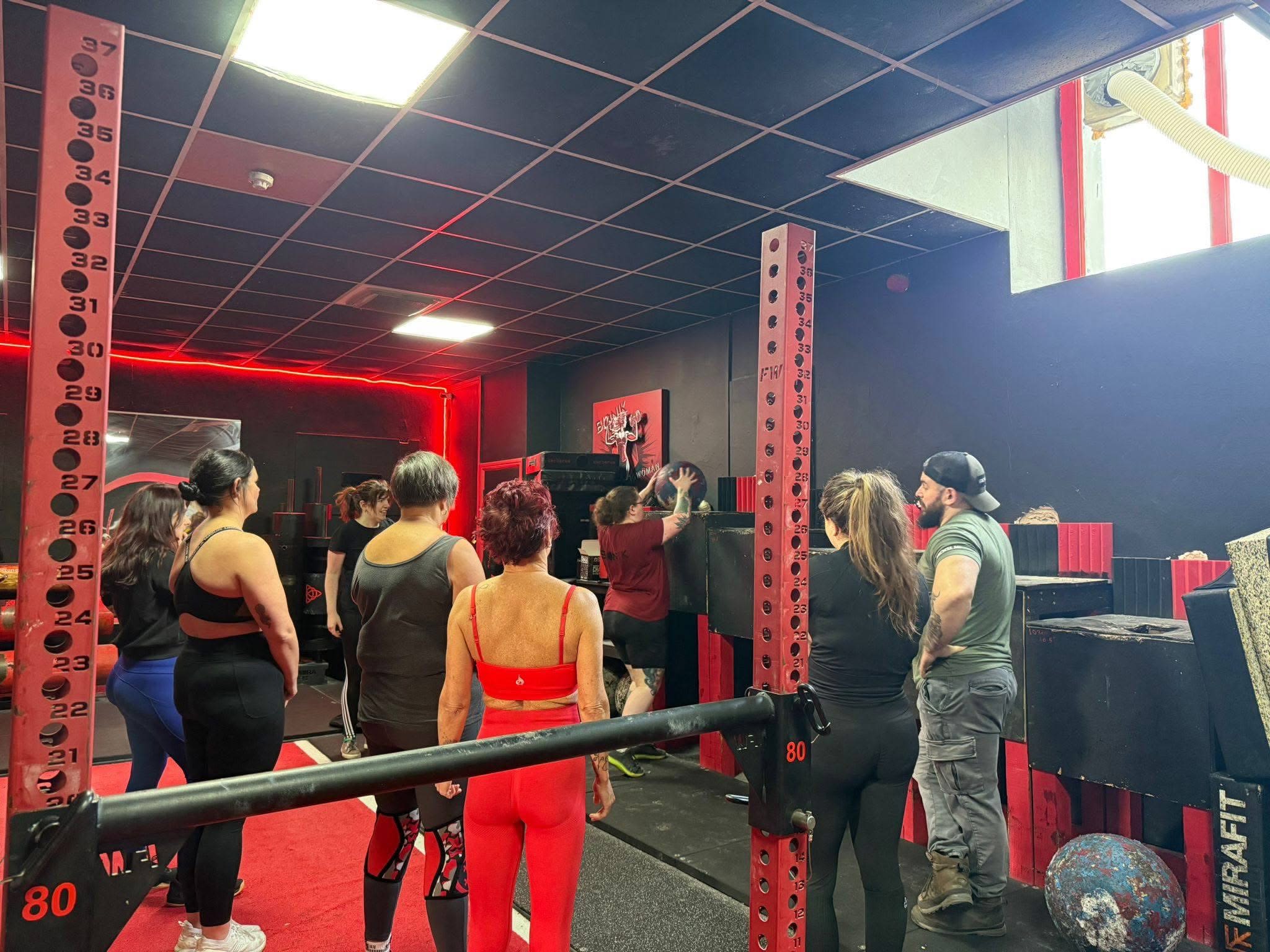
Strongman coach, Jon Mallon, says that Emma’s experience reflects the complexities of supporting athletes with eating disorders.
“The origins of something like an eating disorder is so different across the board that it can’t necessarily be addressed directly from a coaching perspective,” he says. “It’s more a case of allowing people like Emma to realise what they’re capable of.”
Rather than positioning himself as a fixer, Jon describes his role as one of guided exposure.
“It’s making people realise themselves what they’re capable of doing, and me just providing the guidance along the way,” he says. “If all you do is replace one dependency with another- whether it’s the eating disorder or me being the fix- they they’ve not developed any tools to deal with things themselves.”

The ACL Injury Crisis
Exploring the growing concern behind ACL injury rates in female athletes

The Cost of Recovery: Ella Humphrey and the Hidden Reality of ACL Rehabilitation
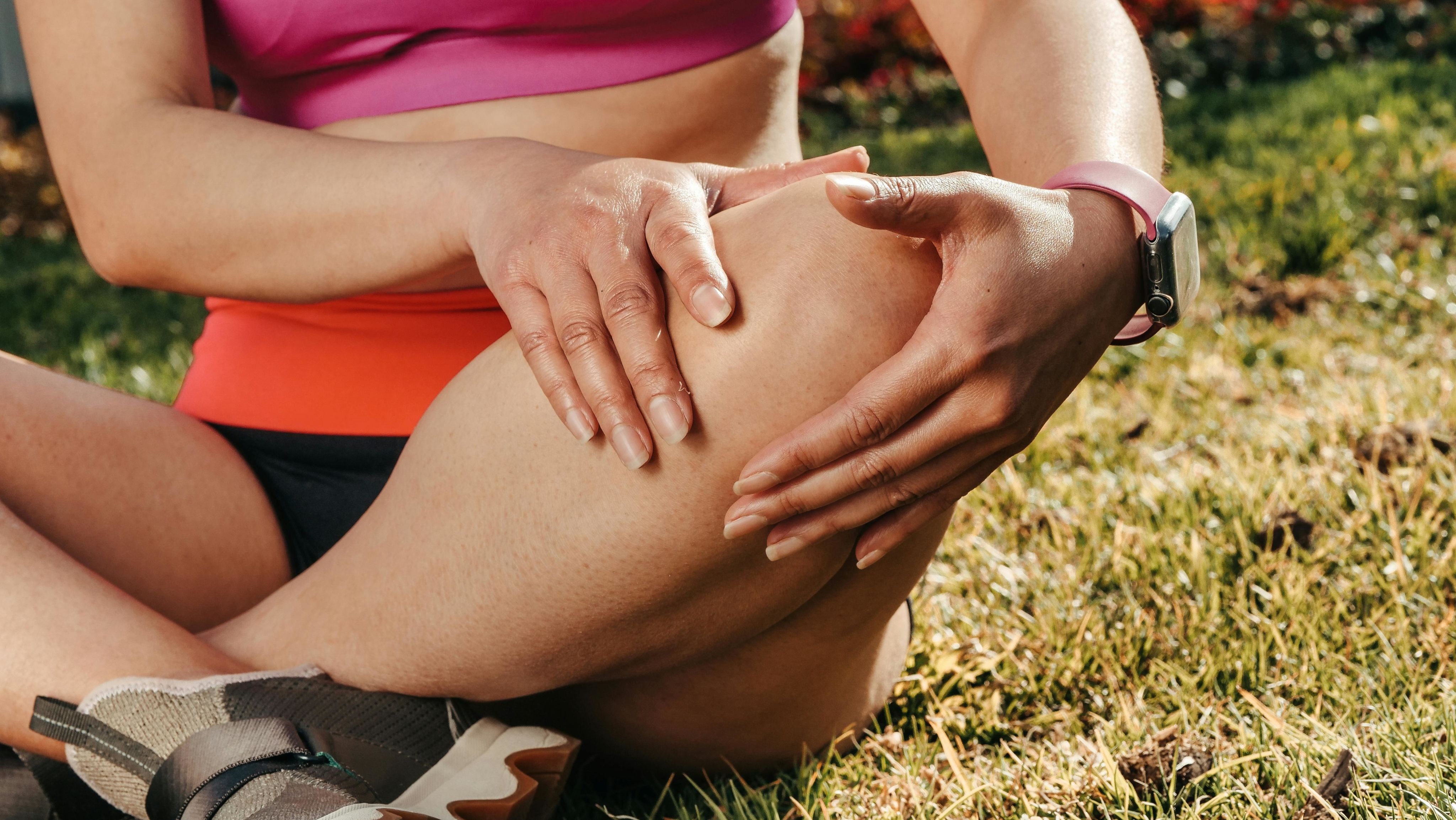
Ten minutes into her first pre-season friendly, Ella Humphrey went up to volley the ball. As she landed, she felt her knee buckle.
“It just popped,” she said. “Instantly, I knew it was probably my ACL.”
A scan later confirmed her fears: a complete rupture of her anterior cruciate ligament, the dreaded injury and one increasingly synonymous with the women’s game.
For Ella, however, the devastation of the diagnosis was only the beginning.
What followed exposed a reality faced by many women playing outside the elite tiers of the game: if there is any prospect of returning to the game, they may have to fund the surgery themselves.
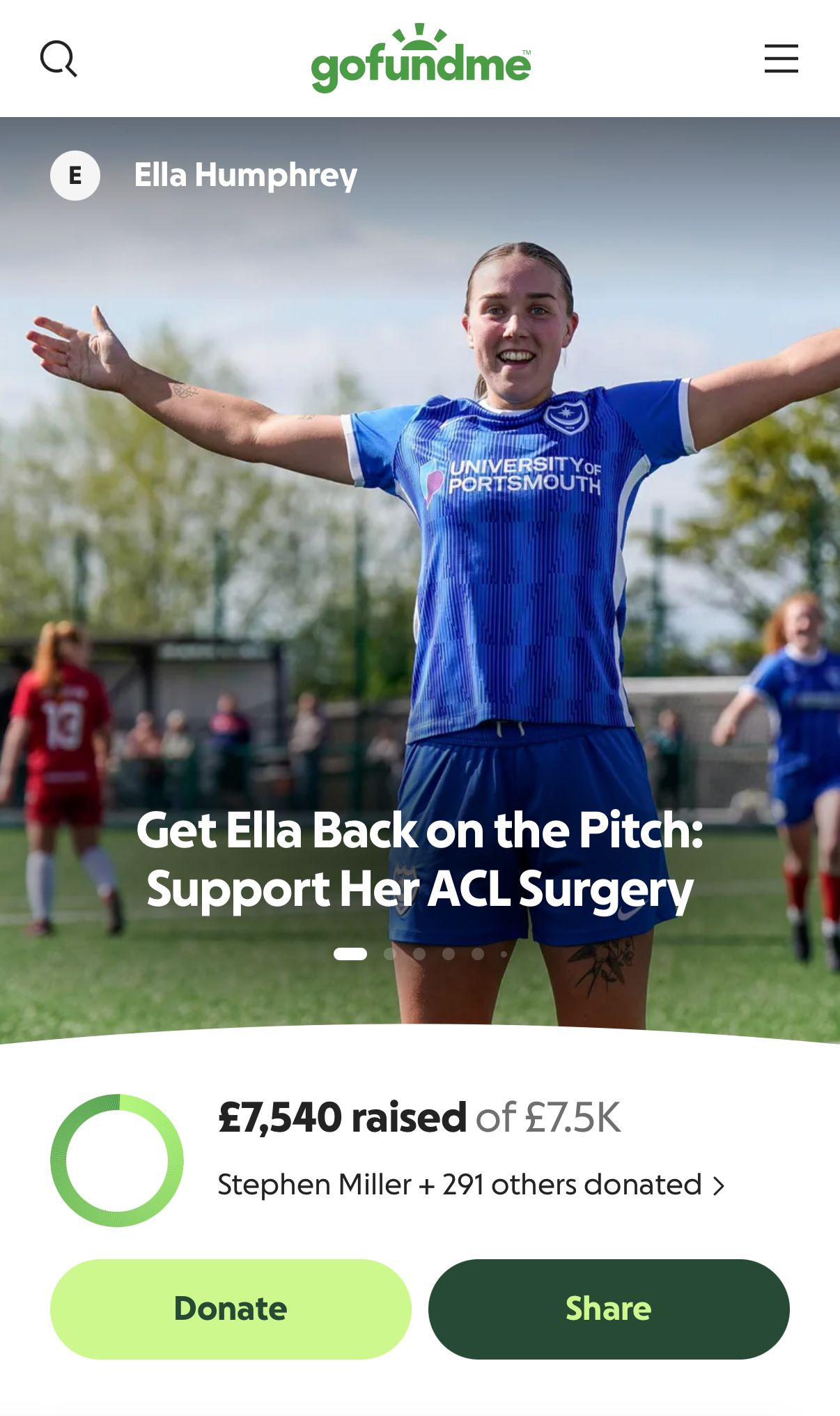
The NHS waiting list was just under two years, and so Ella turned to crowdfunding and set up a GoFundMe, relying on public donations.
“The women’s game has grown so much, and our support off the pitch hasn’t matched that,” Ella said.
Female players are now training and competing at far higher physical intensities than ever before, but many still lack the medical and recovery infrastructure routinely available in the men’s game.
“Men get ice baths, massages, recovery sessions, medical teams,” Ella said. “A lot of women just rock up to training and leave.”
It isn’t uncommon for players in tiers three and four to juggle football with full-time employment, working 9-5s before training in the evenings.
“People’s bodies are tired,” Ella said. “The football quality is increasing but I don’t think the recovery is matching it.”
The consequences are becoming increasingly visible with the sport’s ACL crisis.
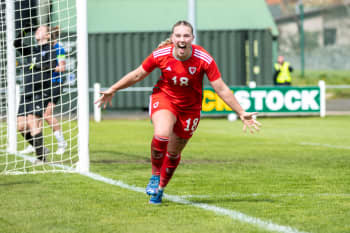
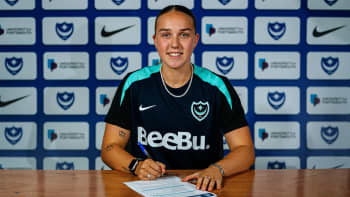
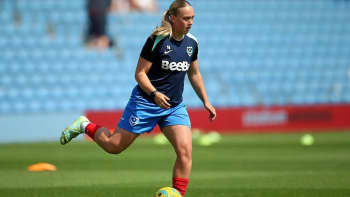

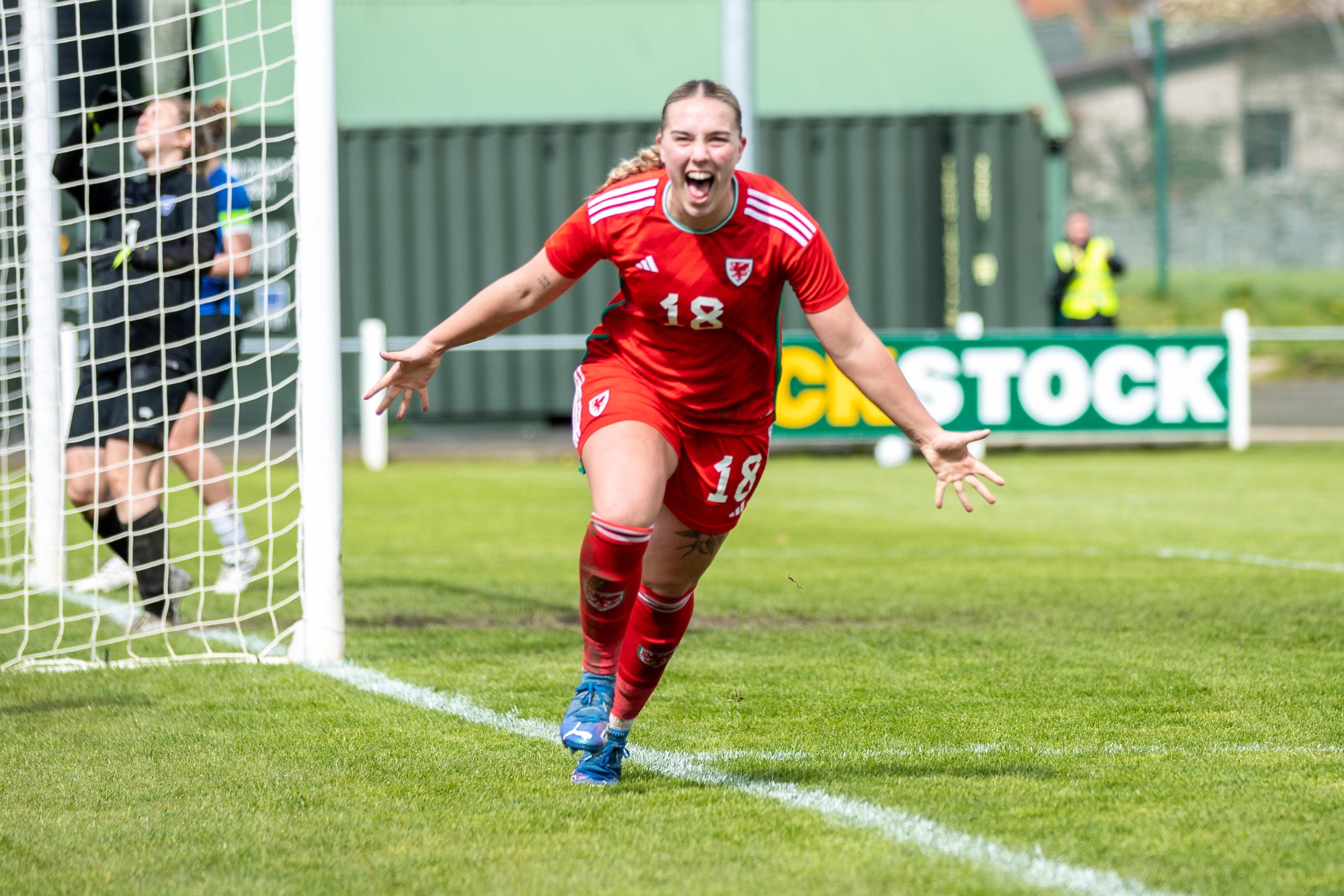

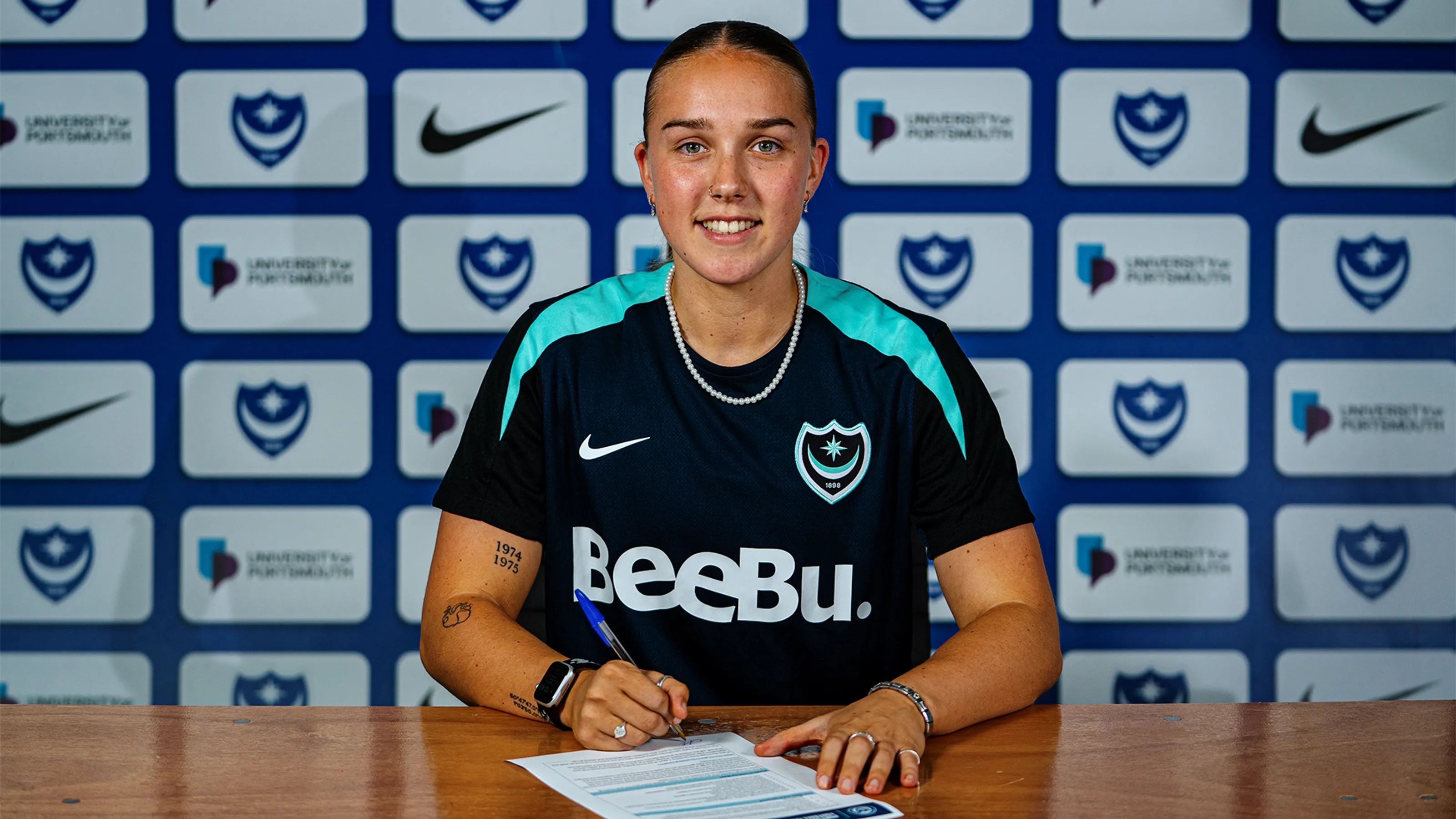
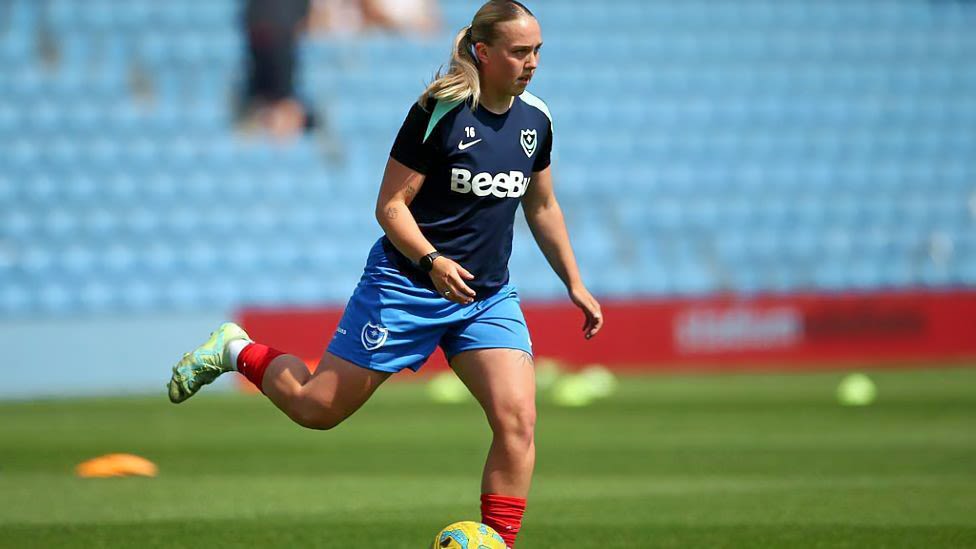
Ella’s story is not unusual. Across the women’s game, research consistently shows female players are up to six times more likely to suffer ACL ruptures compared to their male counterparts.
At elite level, the scale of this problem has become impossible to ignore. Nearly 30 players missed the 2023 Women’s World Cup because of ACL injuries, depriving the tournament of some of its biggest names.
By November of the 25/26 season, seven WSL players had already suffered ACL injuries, underlining the scale of this crisis in the women's game.
“Its definitely becoming more common,” Ella says. “You see teammates getting them all the time and you never think its going to happen to you. Then it does.”
Why the injury is so prevalent in women’s football remains the subject of extensive debate.
Dr Kate Jackson, a sports and exercise specialist and founder of the injury-prevention charity Power Up To Play, says the risk of ACL injuries are “multifactorial” – caused by a web of overlapping biological, environmental and cultural influences.
Historically, explanations have focused heavily on intrinsic factors: anatomy, biomechanics, hormones. Researchers have found evidence linking the hormone relaxin to ACL tissue quality, while observational studies suggest certain phases of the menstrual cycle may predispose women to a higher risk of ACL injury.
However, Dr Jackson warns against overstating hormonal explanations before the science is settled.
“We have good evidence of association, but we do not have robust evidence to say we should be manipulating hormones to reduce ACL injuries,” she says. “That research still needs to happen.”
For campaigners and medical professionals alike, the message is clear: the women’s game does not simply have an ACL problem. It has an infrastructure problem.
Unless investment in prevention, medical support and athlete development catches up in line with the sport’s rapid growth, this epidemic is unlikely to slow.

What is an ACL?
ACL stands for Anterior Cruciate Ligament, and is situated within our knees. It's a short, thick, powerful ligament about the length of a little finger that's attached to our thigh bone and our shin bone. When it tears or ruptures it causes devastating injury.
Anterior cruciate ligament (ACL)
The primary function of an ACL is to act as a stabiliser, preventing excessive forward movement of the tibia relative to the femur.
In cases of injury, they often happen during sports and fitness activities that put stress on the knee. A valgus force is placed onto the knee joint causing the knee to twist and injure the ACL.
Posterior cruciate ligament (PCL)
The PCL runs along the back of the knee, connecting the thigh bone to the top of the lower-leg bone. This ligament helps to keep the knee in place and ensures the knee moves smoothly.
Patella
The patella is the biggest bone in the body embedded in a tendon. It helps the quadriceps muscle move the leg, protect knee joints and supports ligaments.
In cases of ACL injuries, surgery to repair the patella bone is likely in order to regain movement in the knee.
Medial collateral ligament (MCL)
The MCL is a band of tissue that runs from the femur to the tibia and is a major ligament that supports the knee.
In ACL injuries, the MCL often tears simultaneously due to forced valgus. However, unlike an ACL, the MCL often heals without surgery.
For Patrick Keeling, head physiotherapist for the rehabilitation unit at Manchester City, the tendency to reduce ACL injuries in women’s football to a single explanation misses the complexity of the problem.
Patrick highlights how injuries cannot be attributed to one single cause but instead arise from an interplay of factors unique to each athlete.
“Its really about understanding the individual,” he says. “Their prevention history, their workload, how they present in testing. We profile each athlete rather than just saying its men versus women.”
At elite clubs, such profiling informs highly structured rehabilitation programmes, with players requires to meet strict benchmarks before progressing through recovery. But Patrick acknowledges that level of support is far from universal.
“The funding and the opportunity available to women’s sport currently has a detrimental effect on the rehab that they get,” he says.
While advances in sports science have enhanced the capacity to assess and mitigate injury risk, unequal investment in the women’s game continues to shape the quality and accessibility of care available to female athletes.
The issue ultimately extends beyond injury prevention alone: ensuring all athletes are afforded the necessary resources to support both long-term injury risk management and effective rehabilitation.
Tackling the Taboo
Meet the women reclaiming their space in traditionally male-dominated fields

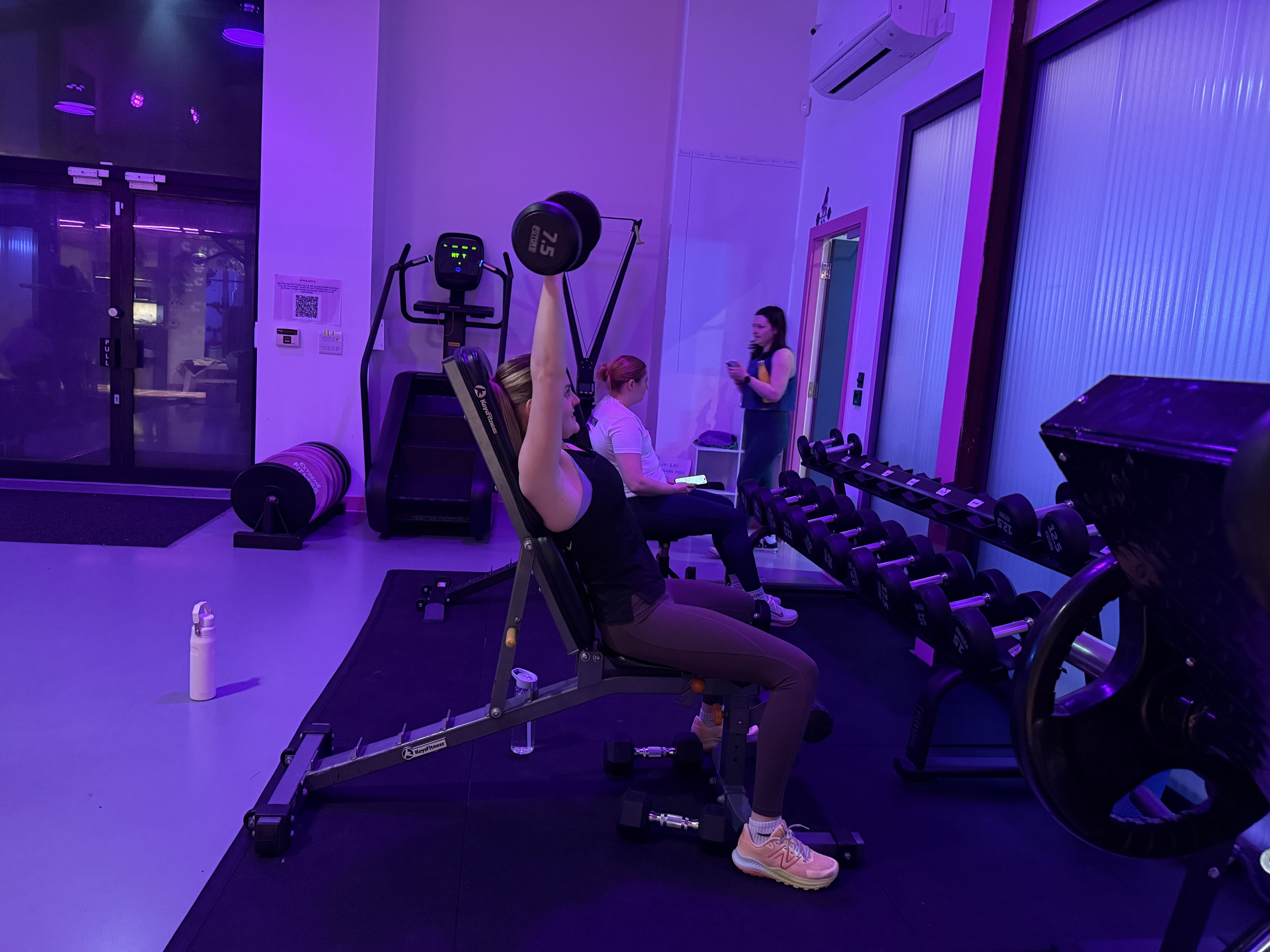
Inside Powher Gym, Where Women are Redefining Strength on Their own Terms
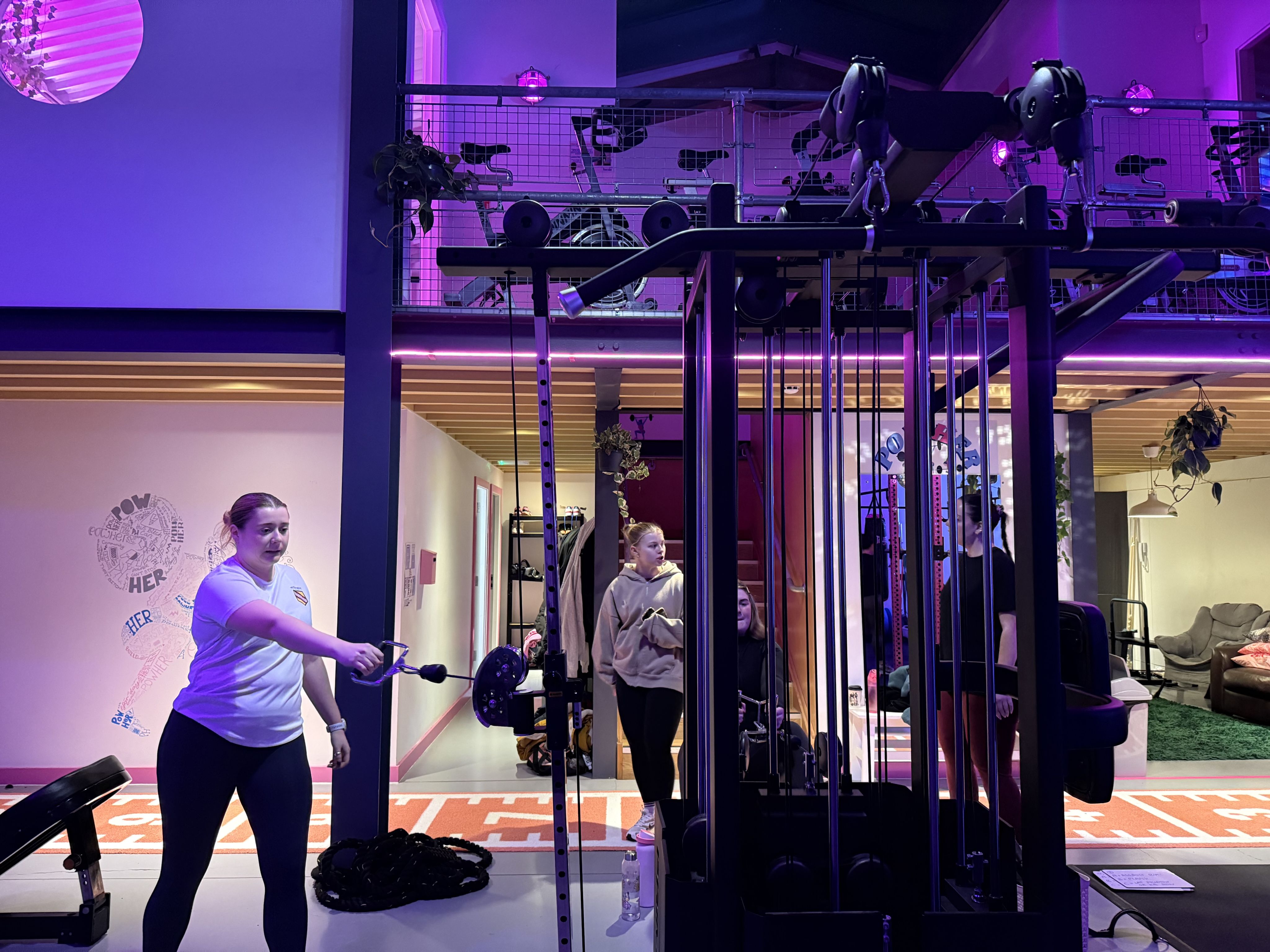
It’s a Monday evening at Powher Gym in Liverpool’s Baltic Triangle. There is a buzz in the air; plates clattering against machines and the sound of women cheering one another through final reps. There are no furtive glances across the weights room, no self-conscious hovering by machines, no sense that anyone here needs permission to take up space.
For founder Libby Rush, that atmosphere is precisely the point.
“It’s about having a space where you can do your own thing without feeling overly observed,” she says.
Powher Gym was created to fill what Libby saw as a glaring gap in the fitness industry: a women-only space with serious strength- training equipment, not simply a token female floor stacked with treadmills and light dumbbells.
Despite decades of rhetoric about equality and inclusion, gym culture remains heavily catered towards male needs. Research into the UK gym culture has repeatedly found that women report feeling intimidated in strength-training areas and often alter their behaviour accordingly to avoid confrontation or scrutiny.
Women are increasingly opting to train in environments where they can squat without being stared at, stretch without being sexualised, and learn to lift without unsolicited male coaching.
That desire is not irrational. According to a 2023 survey by RunRepeat, 56% of women report experiencing harassment in the gym, ranging from staring and unsolicited advice to inappropriate comments and unwanted physical contact. More that 9 in 10 said they never reported it.
Separate research by Ukactive and This Girl Can found 42% of women have experienced sexual harassment or intimidation in gyms, with the figure rising to 83% amongst women age 16 to 24.
These figures help to explain why the demand for women-only spaces are skyrocketing across the UK, and why, for many women, they are not viewed as a luxury, but rather a necessity.
“At Powher, everyone is in the same boat,” Libby says. “You can make a bit of a fool of yourself, and no one is going to judge you for it.”
That sentiment is echoed by members.
One member, a PE teacher who joined following repeated knee injuries, says the environment has transformed her relationship with weight training.
“I’d never entered into weightlifting before,” she says. “This is the perfect place to start. No one judges you. Everyone helps everyone out.”
The demand for spaces like Powher Gym reflects more than a fitness trend; it points to a broader reality beyond specialist equipment or tailored programming. It provides something more fundamental: an opportunity for women to occupy space without an apology.
‘They Don't See How Tough You Are’: The Women Redefining Muay Thai
For much of its history, Muay Thai existed as one of sport’s most rigidly male domains. Steeped in centuries of tradition and spiritual belief that barred women from competing, it was long viewed as a preserve solely for men.
Yet inside gyms across the world, the old orthodoxy is being dismantled – punch by punch, round by round – by fighters such as Eirinn Fenton.
The competitive Muay Thai athlete is part of a growing generation of women reshaping a sport once built without them in mind. Across the UK, women now account for 31.7% of martial arts participants, according to the British Martial Arts and Boxing Association.
In doing so, female fighters are increasingly redefining conventional ideas of femininity in combat sports, challenging assumptions about what strength and womanhood can look like.
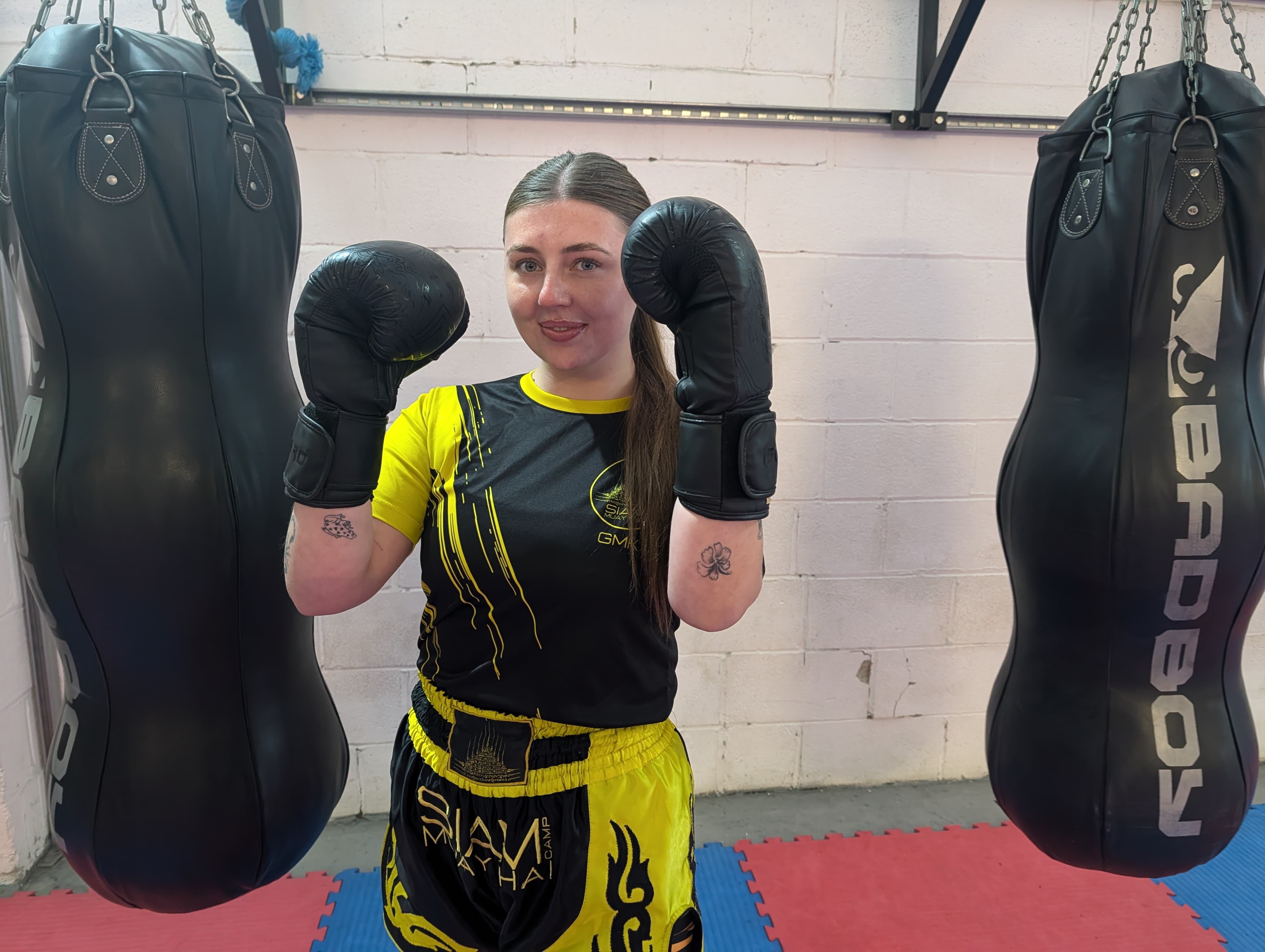
For Eirinn, she rejects the notion that fighting and femininity must exist in opposition. Outside of the gym, she works as cabin crew – polished, poised and immaculately presented - a contrast that defies outdated stereotypes of what a fighter should be.

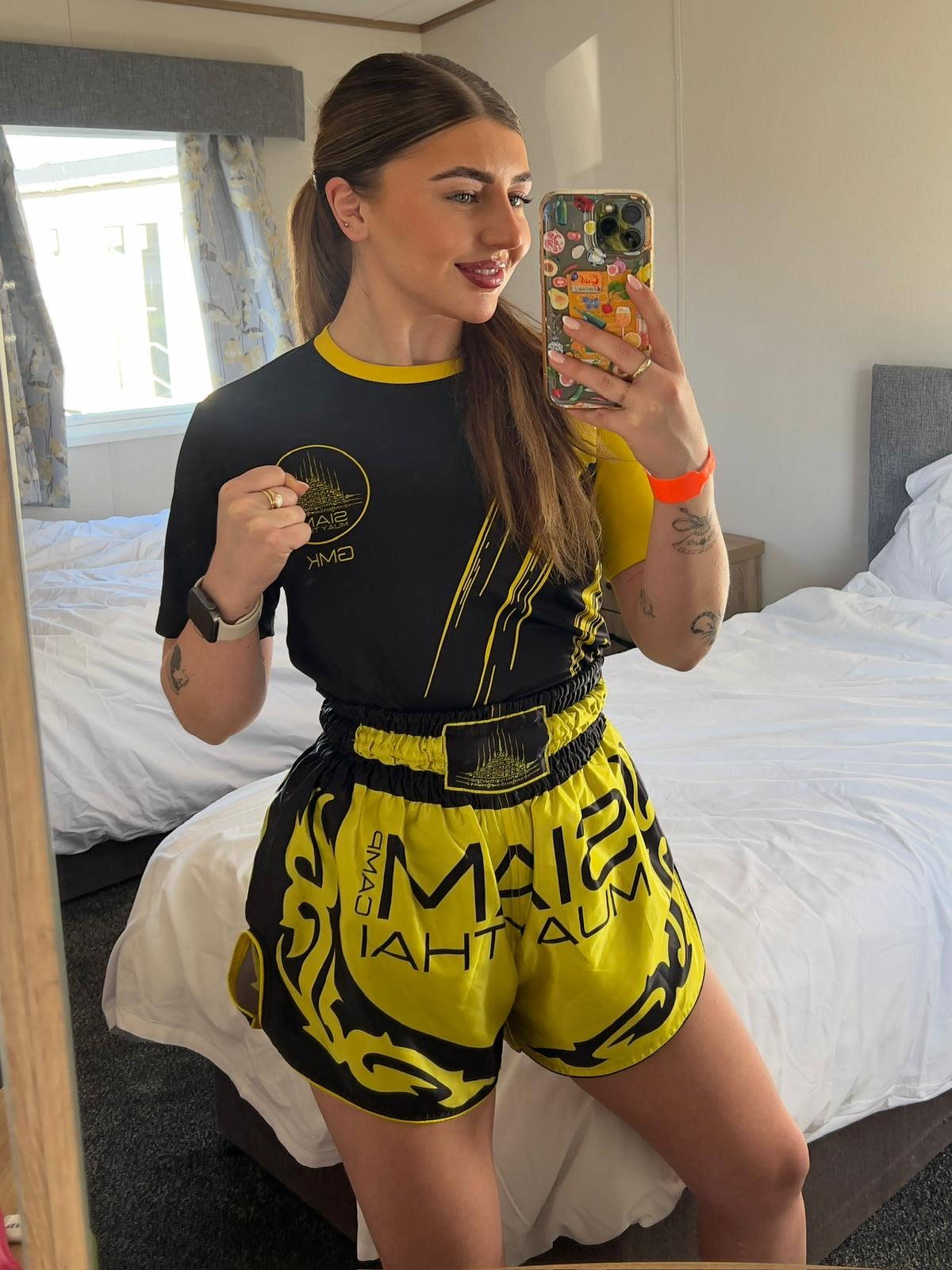
Eirinn Fenton Muay Thai Fighter (c) Eirinn Fenton
Eirinn Fenton Muay Thai Fighter (c) Eirinn Fenton
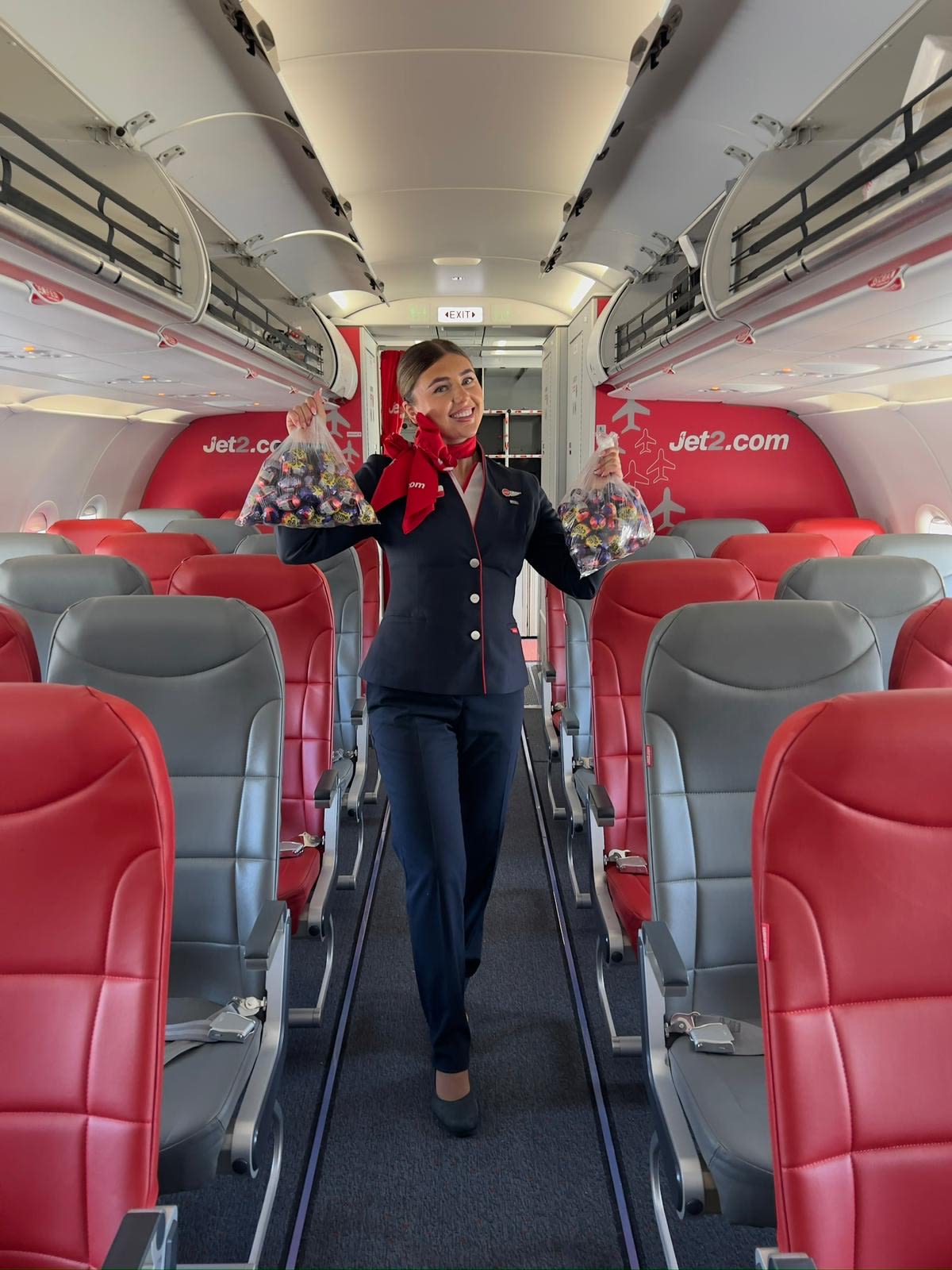
Eirinn Fenton Cabin Crew (c) Eirinn Fenton
Eirinn Fenton Cabin Crew (c) Eirinn Fenton
“I’m very feminine in my life at home - I’m such a girly girl,” she says. “But I quite like coming and being a bit of a tomboy. It’s nice to have a bit of both sides.”
That duality matters. In sport historically associated with hyper-masculinity, women such as Eirinn are proving that power doesn’t have to cost femininity.
Her introduction to the sport, however, was initially met with criticism.
“People were a bit like, ‘Why do you want to start fighting? Why Thai Boxing?’” she says. “They didn’t really understand it.”
Yet, that scepticism has not disappeared with experience. If anything, Eirinn says, it has merely changed shape.
“All the time,” she says, when asked if she is underestimated because she is a woman. “Men are a bit scared to partner with women. I don’t think they know how tough you are, and they’re not willing to see how tough you are either.”
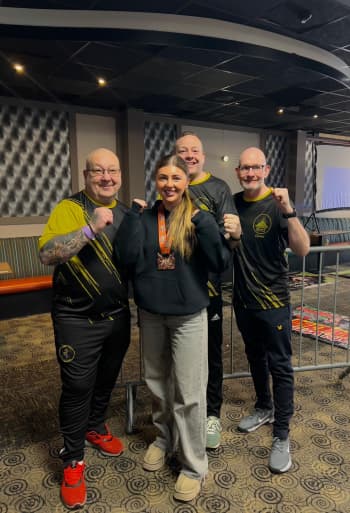

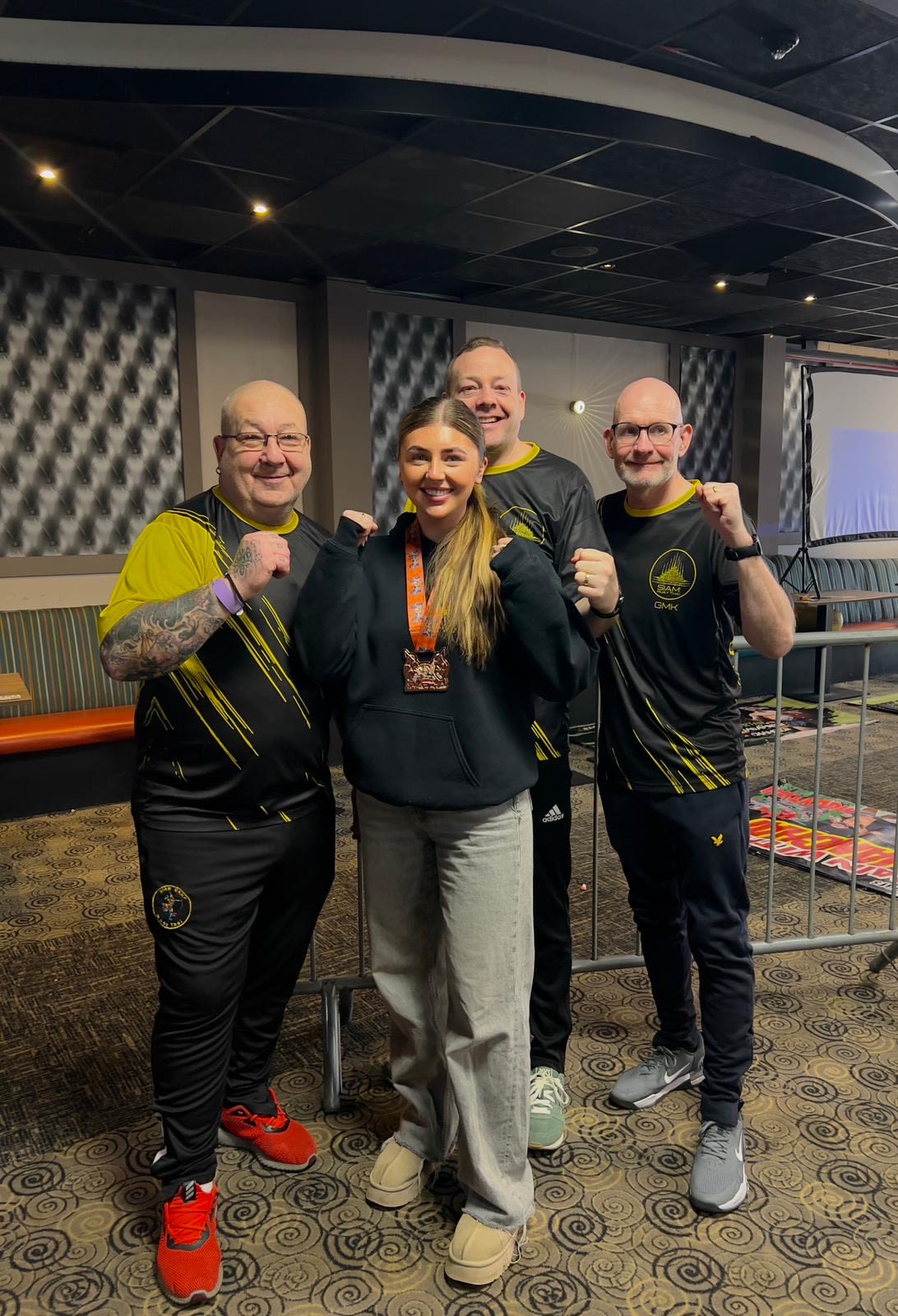
Eirinn’s experience reflects the persistent barriers many female fighters continue to face in male-dominated training spaces, where legitimacy is often questioned before skill is recognised.
The significance of fighters like Eirinn extends beyond titles or records. Their impact lies in visibility: each woman who steps into the ring helps redefine perceptions of the sport itself, proving Muay Thai was never just for men – and ensuring its future will not be either.

Keeping girls in sport
Inside the academy aiming to change the future of girls’ football

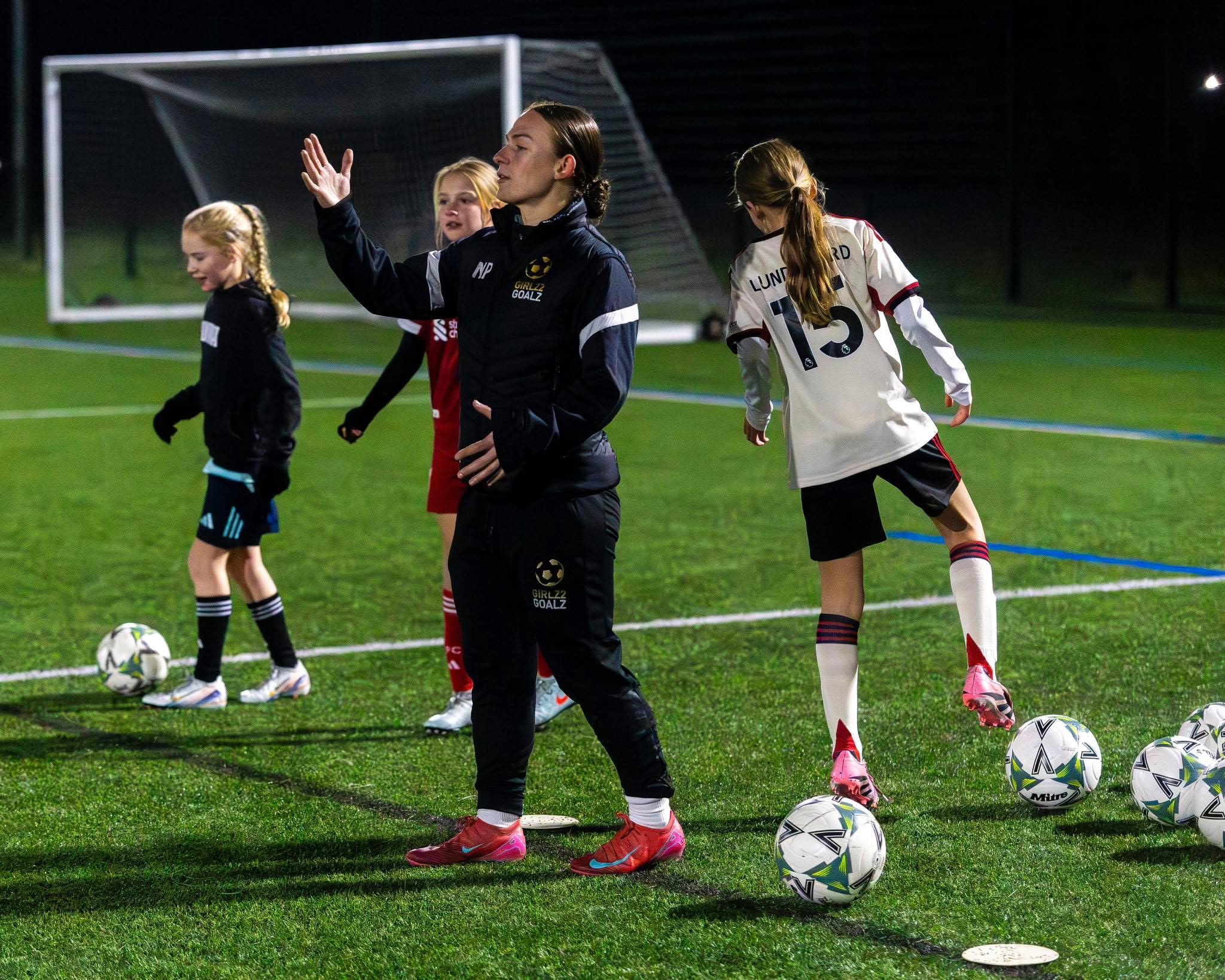
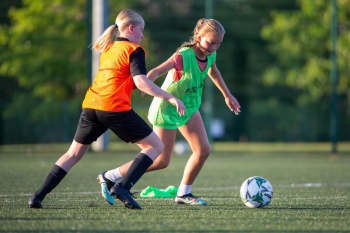
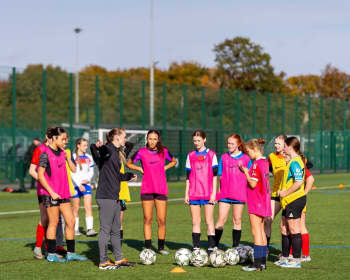
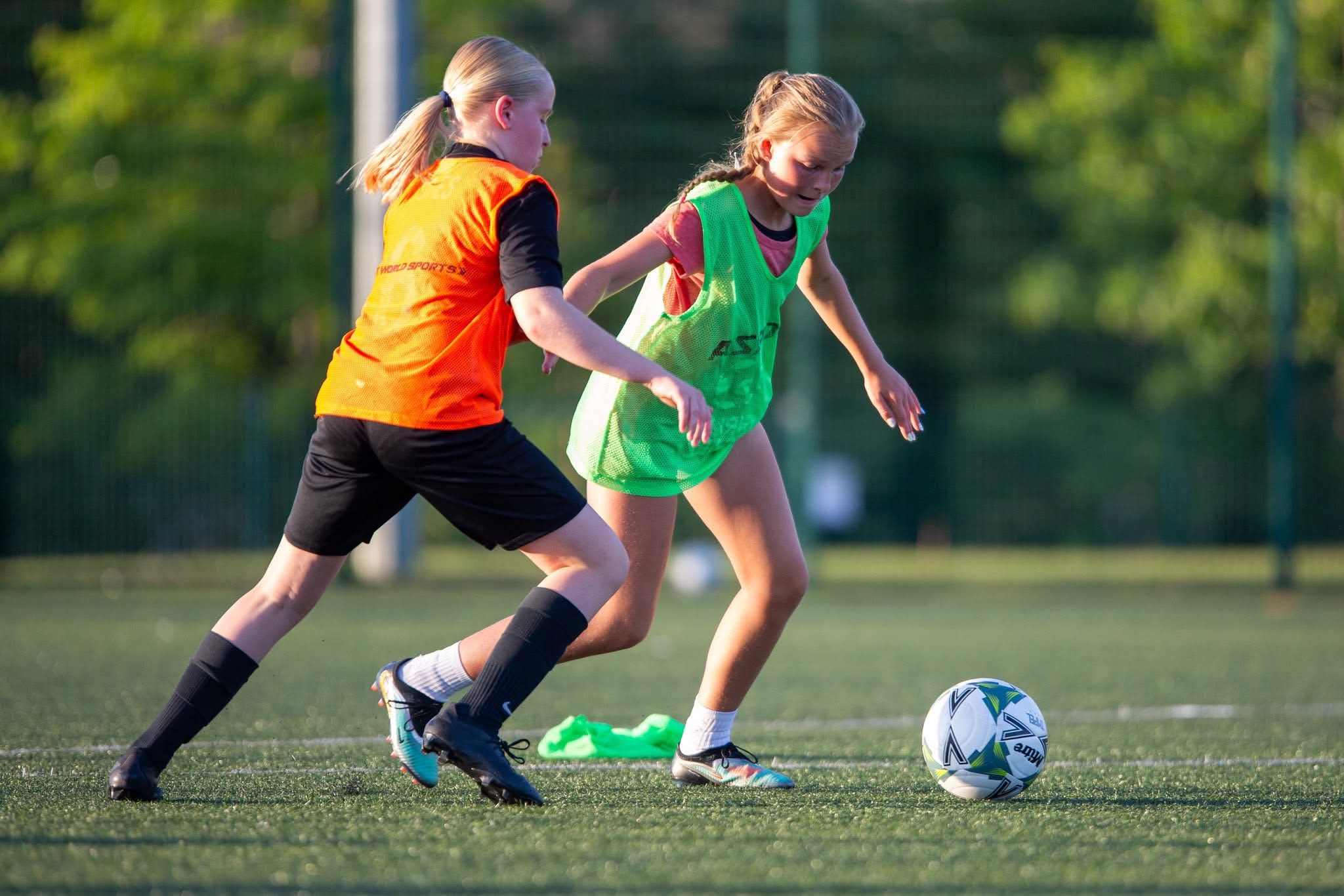
Girlz2Goalz: Mia Parry’s Mission to Keep Girls in Football
Despite the rapid rise of women’s football in recent years, one major challenge remains: keeping girls involved in sport as they grow older.
According to Women in Sport, four in ten girls fall out of love with sport during their teenage years, while 43% of girls who once considered themselves ‘sporty’ disengage from sport after primary school.
This is a problem that Mia Parry, founder of Girlz2Goalz, is determined to tackle.
Her academy was created to provide structured, high-level coaching from UEFA-qualified coaches and current players, to bridge the gap between grassroots football and academy-level opportunities.
For the Liverpool Feds player, that mission is deeply personal.
Having progressed through male- dominated football environments and the Liverpool FC academy pathway, she experienced first-hand the lack of structured opportunities designed specifically for girls.
“That’s basically why I’ve done it, because I don’t want a girl to fall out of football like I did,” Mia said.
“They’ve got support around them from their coach and the players they play with at my sessions.”
Research consistently shows that girls’ participation in sport drops sharply during adolescence, often due to a loss of confidence, limited opportunities and a lack of role models.
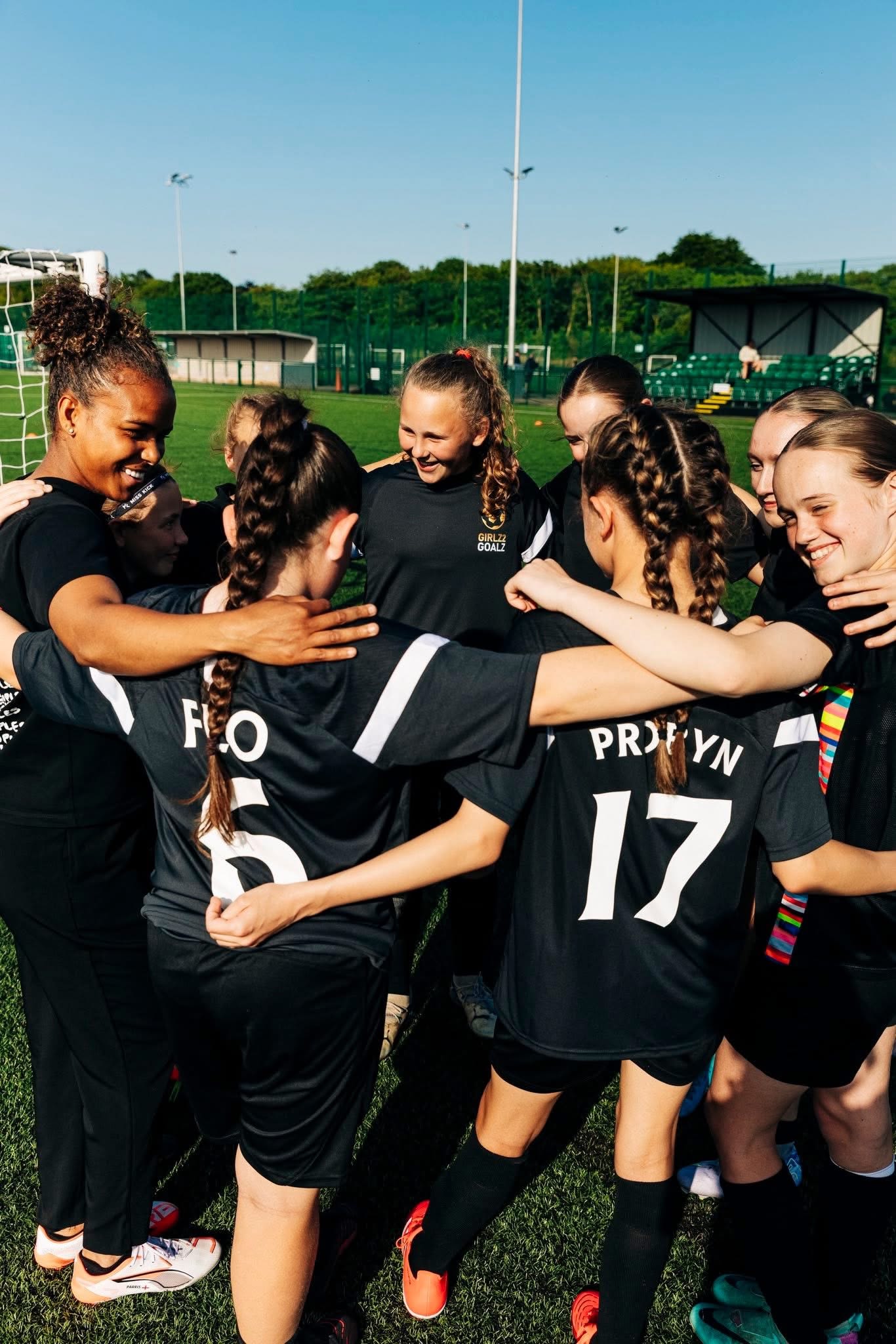
Girlz2Goalz aims to counter that by creating an environment where girls feel supported and encouraged, ensuring that members have visible role models to look up to.
“Just inspiring them,” Mia said.
“All of our coaches play football, so that gives it a different edge. We want to help them get to where they want to get to, whether they want to get into an academy or just supporting them.”
As women’s football continues to grow across the UK, Mia believes the sport must now shift its focus to retention as much as recruitment.
Through Girlz2Goalz, she is creating pathways, confidence and belief- inspiring the next generation of girls and keeping them in the game.



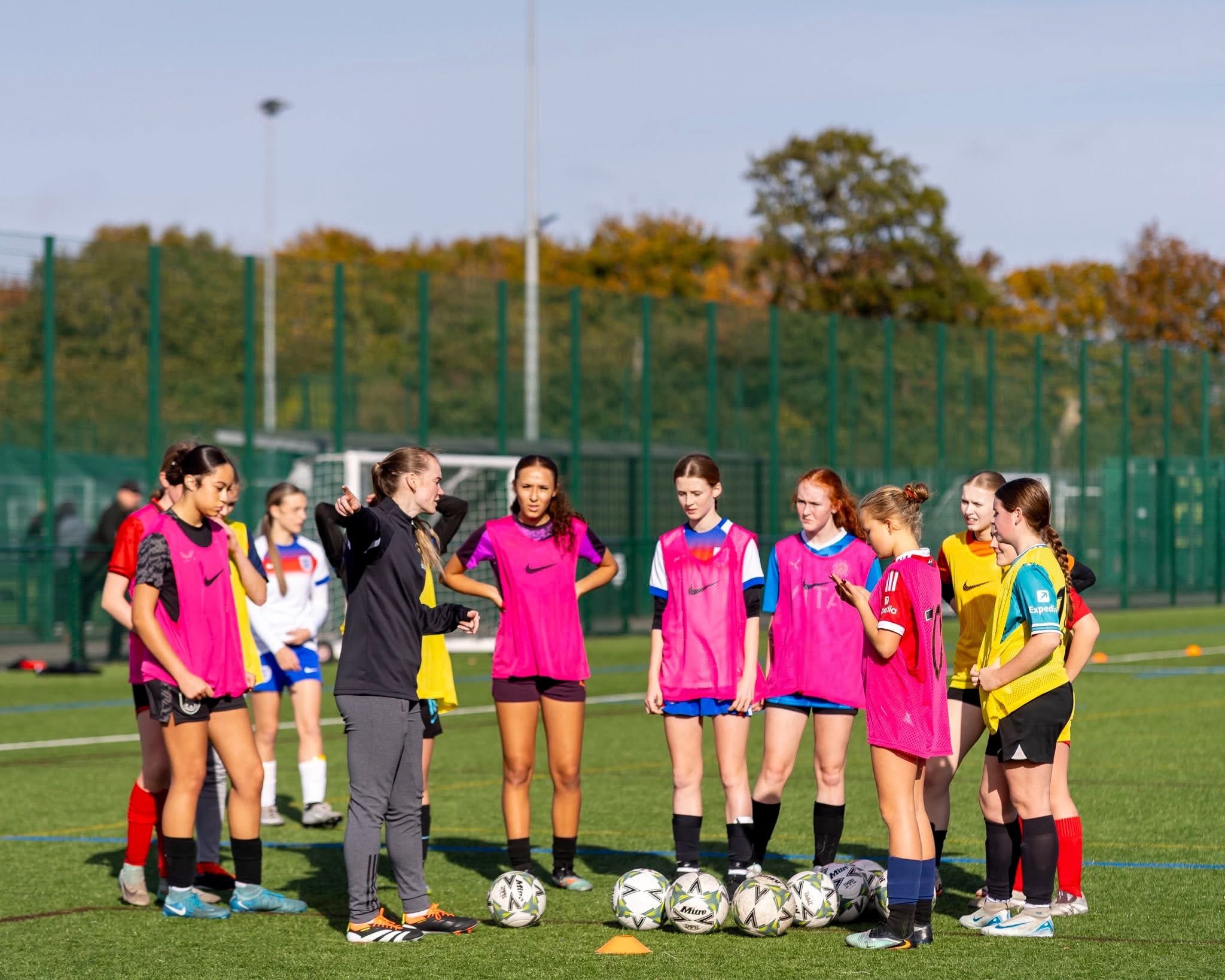
Representation in Sport
Why visibility, inclusion and access are essential for equality in sport

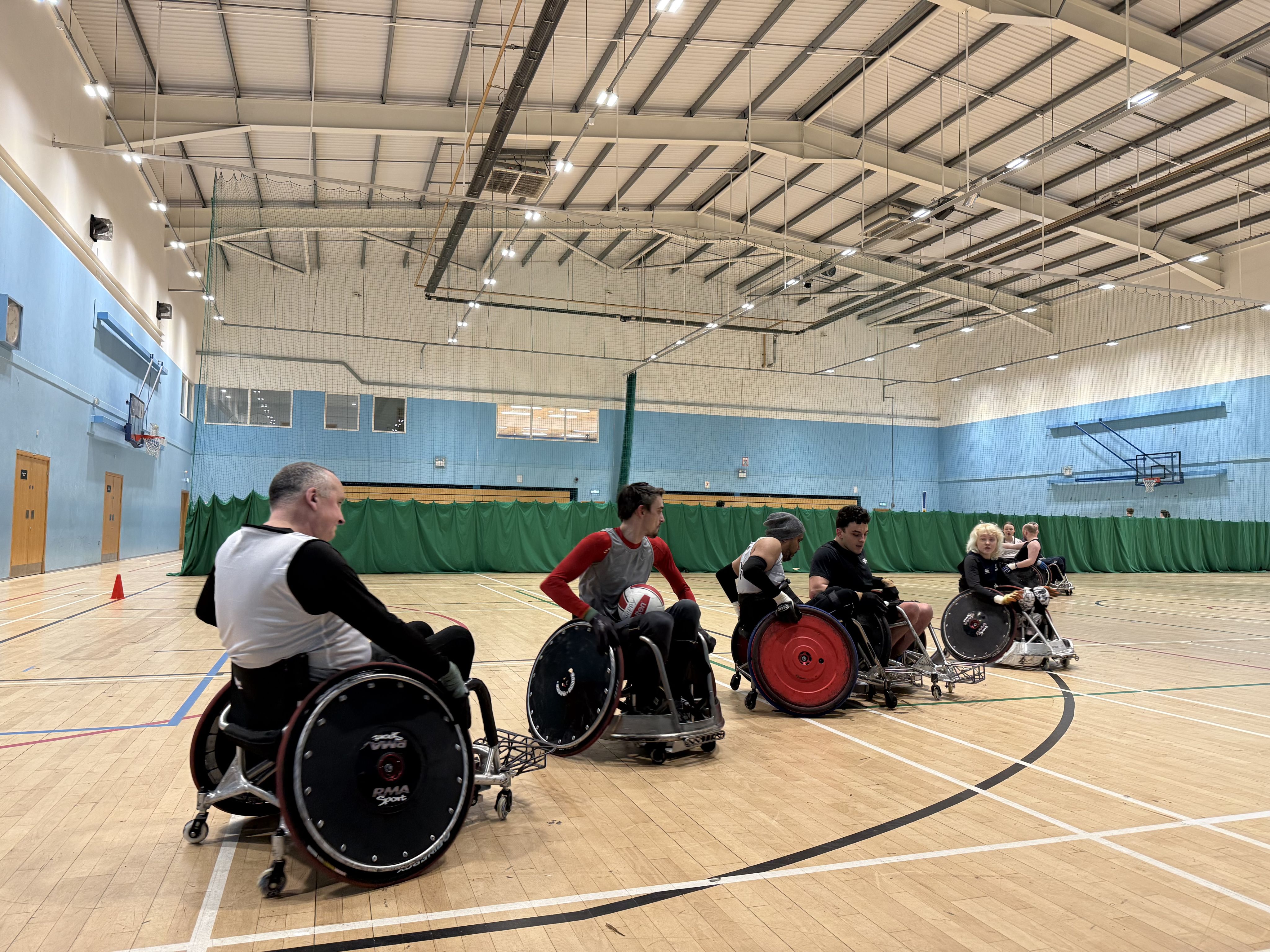
Breaking Barriers in Wheelchair Rugby: Hannah Bucys’ Story
Across the sporting world, the push for greater equality, visibility and opportunity for women continues to gain momentum. Nowhere is this more evident than in disability sport.
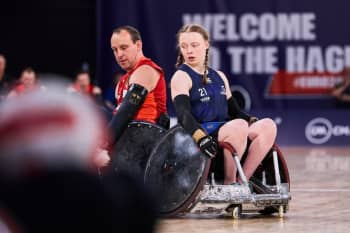
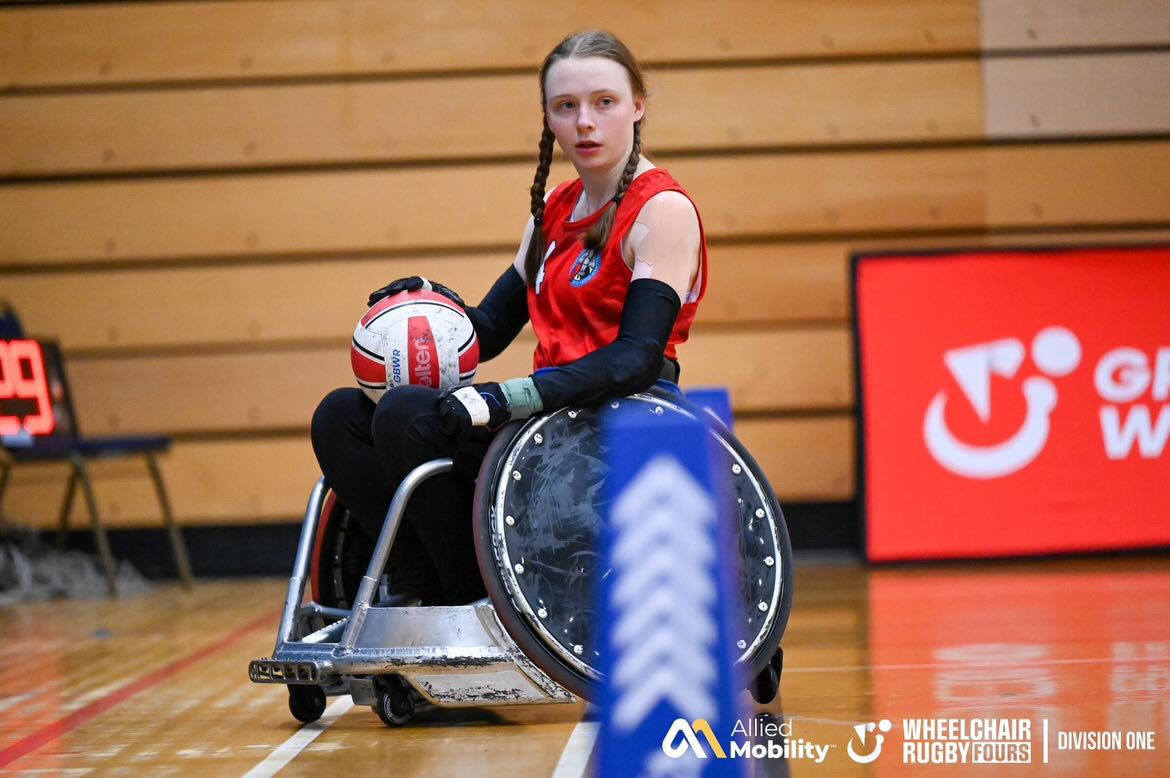
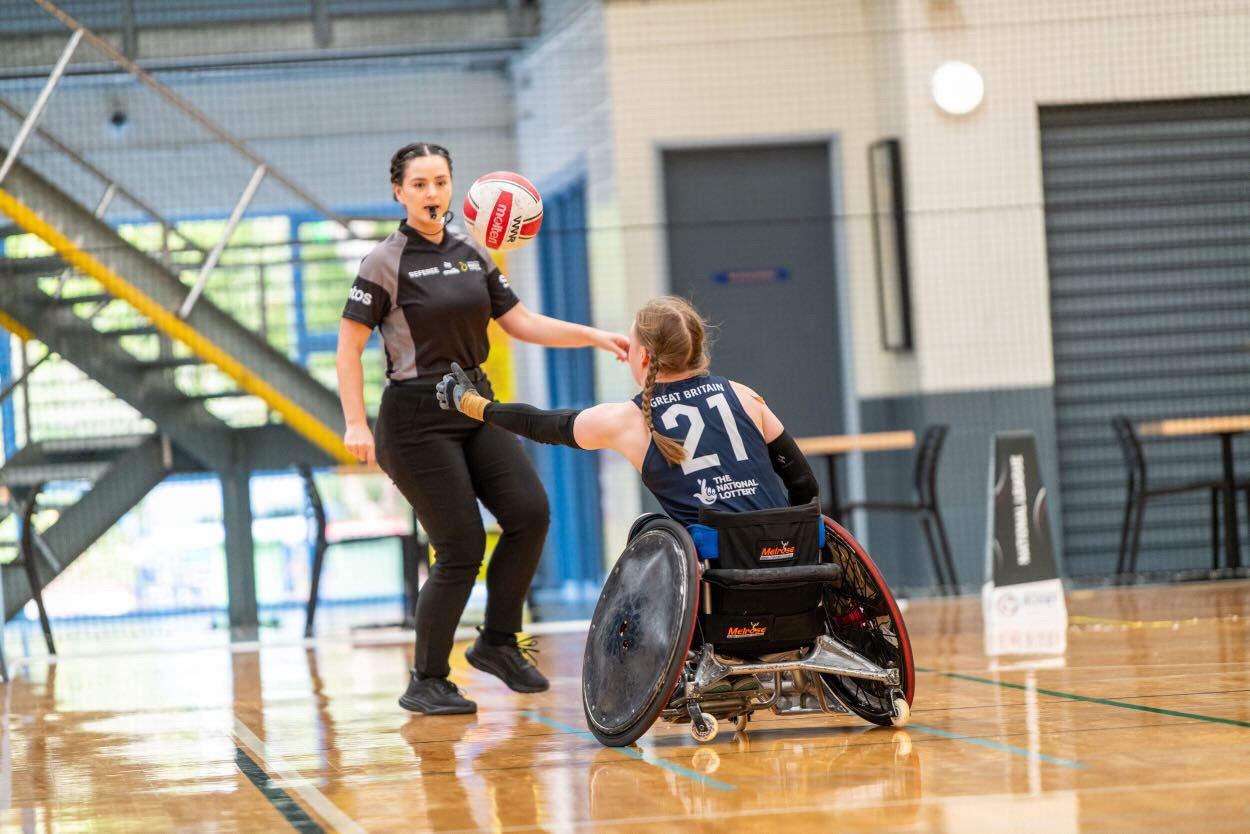
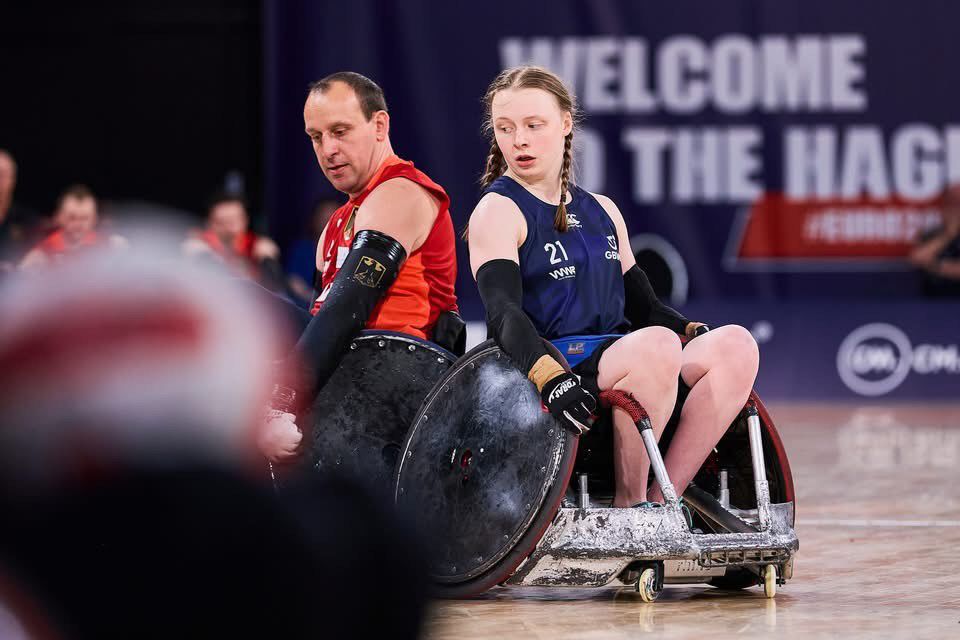
One athlete driving this change is Hannah Bucys, a rising star in Great Britain’s wheelchair rugby programme.
Hannah Bucys’ life drastically changed in 2018, when she suffered a spinal cord injury during a freak trampolining accident, which left her bound to a hospital bed for three months.
Like many athletes facing sudden life-altering circumstances, she was confronted with uncertainty about her future in sport.
Reflecting on that period, she admitted that the injury initially “knocked her confidence,” explaining that as someone who had always been active, her immediate thoughts were, “What is there to do? What can I do?”
During her rehabilitation, however, Hannah discovered wheelchair rugby, a sport she hadn't known existed and quickly fell in love with its fast-paced intensity.
What began as a pathway to recovery quickly became a passion and, eight years on , Hannah has gone on to represent Great Britain in international competition.
“It's brought a different side of Hannah back”
Her rise comes at a pivotal moment for female representation in wheelchair rugby. Due to initiatives such as the Women and Girls Talent (WGT) programme, the participation of women in wheelchair rugby is steadily increasing.
This marks a major step forward in promoting inclusivity and increasing female representation within the sport - providing female athletes with direct pathways to compete at the highest level.



Introducing ‘Ruby’s Law’: a Campaign to Tackle Discrimination Within PE
Ruby Bishop, Team GB wheelchair tennis player, is campaigning for national change, by aiming to have sports wheelchairs provided to every school across the UK as standard equipment.
Ruby, who has cerebral palsy, says that she was held back by her teachers in school, due to a lack of education surrounding disability sport.
What is Ruby's Law?
Ruby's Law proposes that:
- Sports wheelchairs are a standard piece of PE equipment in every school
- Teachers should receive training in inclusive PE delivery
- Ensures disabled pupils participate, not spectate
Ruby explains the purpose clearly:
"The goal with my campaign is that every school in the UK will have a sports wheelchair in their PE cupboard, just like they would any other piece of equipment."
She describes how she was overlooked by teachers at school, and how this exclusion became so normalised:
"At school, I never participated in PE, I was never invited to the sports awards, I never did sports days - I was just given the day off."
 Built with Shorthand