THE POWER OF MUSIC
Exploring the importance of music in Culture and Education, Sport and Health

Introducing The Power of Music Project
However, there is more to music than a simple definition. Music can provoke emotion, build connections, educate and identify cultures.
It is a powerful tool that has multiple psychological and neurological benefits.
The pattern, rhythm and the beat of music has the power to make people dance and move. Before humans are born the first thing the foetus hears is the beat of their mother's heart.
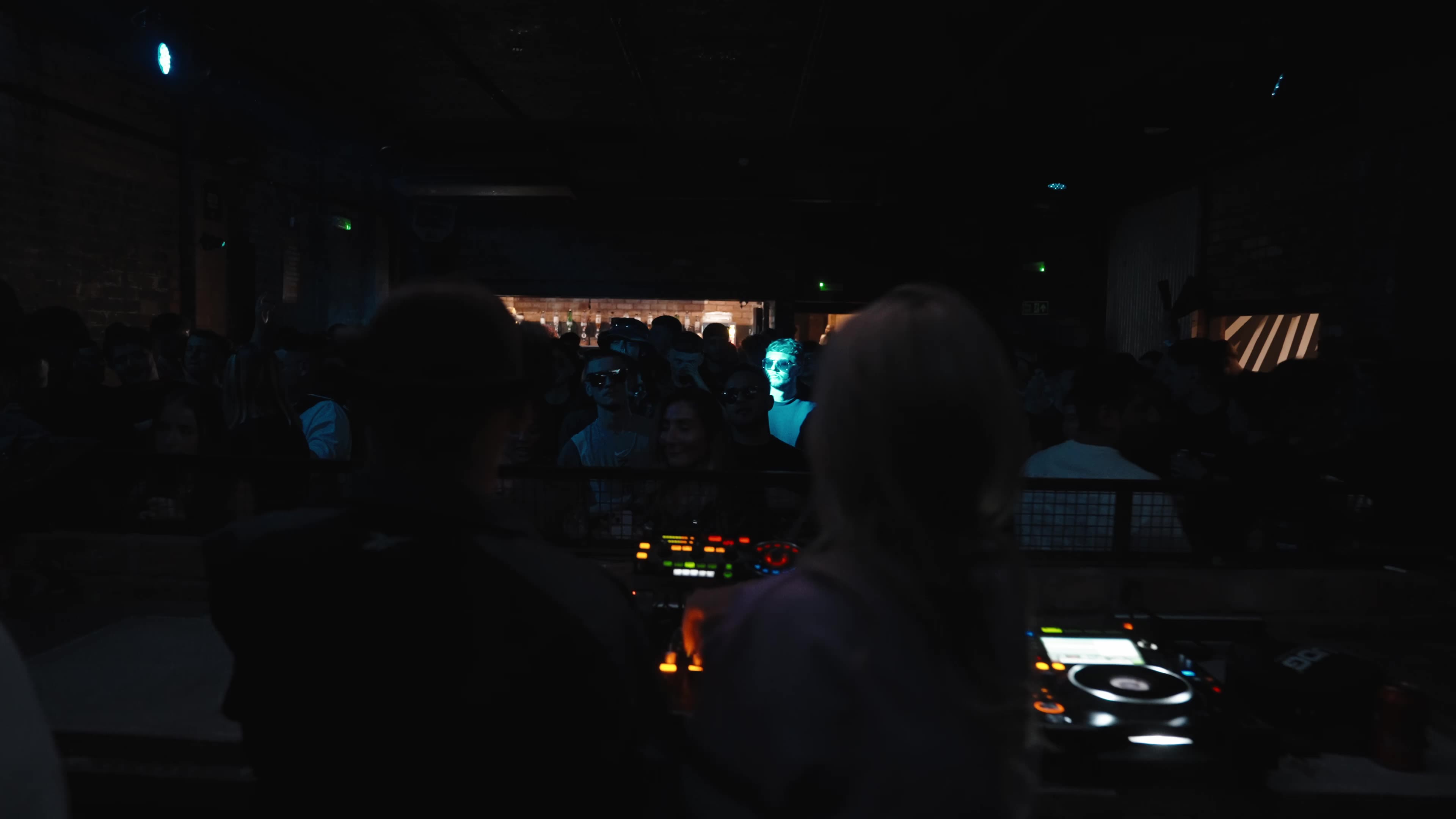
Having a passion for music as a DJ and music producer. I have witnessed the powerful effect music has on people. The energy it evokes from the crowd and being able to shape the mood and vibe of a dance floor. By selecting specific tracks, you can build a connection with the audience and you can completely change the atmosphere. This demonstrates that music is much deeper than its definition.
'An orchestral adventure through time'
How music plays a crucial role in educating cultural differences and the historical power of music

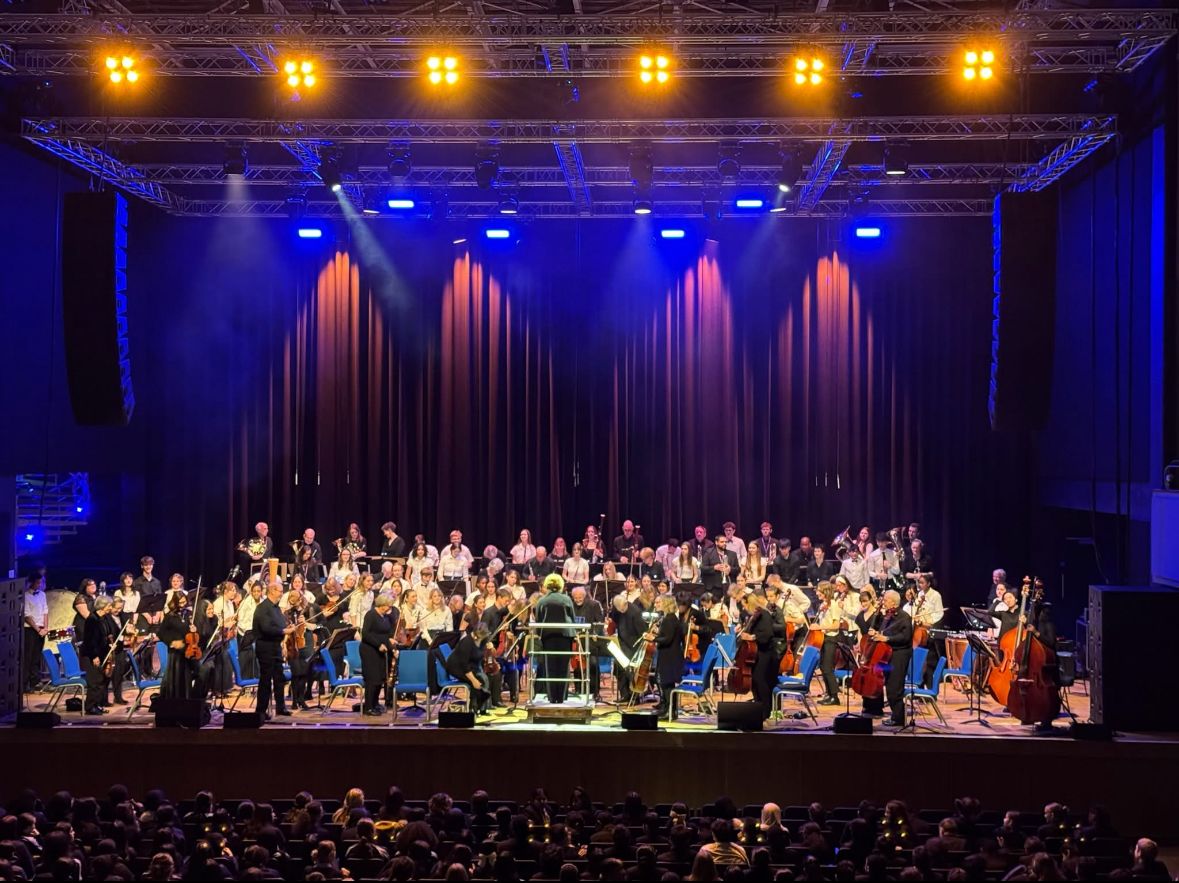
Wolverhampton’s Symphony Orchestra showcases the significance of music in education and the foundation it creates for transferable skills in children.
Wolverhampton Symphony Orchestra and Youth Orchestra performing at The Halls (c) Ruby Richards
Wolverhampton Symphony Orchestra and Youth Orchestra performing at The Halls (c) Ruby Richards
Wolverhampton’s largest cultural venue hosted ‘An orchestral adventure through time’ to over 2,500 11- to 14-year-old students. The children were taken on a musical journey by Wolverhampton’s Symphony and Youth Orchestra. Presented by Racheal Leach with the support of two composers, Peter Morris and Catriona Roberts, nine pieces of classical music shaped a musical timeline dating back to ‘Marc- Antonine Charpentier: Te Deum 1692’ and finishing with John William’s iconic ‘Throughout the Years: 1977- present Stars Wars theme tune’.
The event was organised by Wolverhampton Music Service which allocated free access to pupils to provide the opportunity for students to experience a live orchestra. The aim of the concert was to educate pupils about the historical and significant power of classical music and to encourage pupils to take up an instrument.
Ciarano Donnell, Head of Wolverhampton Music Service said: “Music has so many transferable skills: you have to be in the right place at the right time, manage nerves, be ready to go on the stage and work long hours.” Music allows all ages to work together and produce music. Ciarano compared music to other school curriculum activities such as sport. He said: “you could argue that you can learn the same transferable skills, but you can’t put an eight-year-old rugby player with a 16-year-old, but in music all ages can work together.”
During the live performance, helpful information was conveyed such as where the music came from, who it was written about, the meaning behind the music and the influential factors at the time the piece was created. Informative commentary was carefully delivered by Racheal Leach who has worked within the education departments of most of the UK’s orchestras with the majority of her work used by the London Symphony Orchestra and the London Philharmonic Orchestra
Presenter Racheal Leach demonstrating specific patterns in music to the pupils (c) Ruby Richards
Presenter Racheal Leach demonstrating specific patterns in music to the pupils (c) Ruby Richards
Her passion for incorporating music into the education system was demonstrated by using the orchestra to show specific techniques which were then reciprocated by the children, encouraging them to clap along to the beat and chant.
The concert delivered a full programme of curriculum material which they may have not heard before. It demonstrated that music can be created easily and the whole theatre came together, creating a sense of community. Adam Hunt, teacher at Thomas Telford School, said: “The impact that musicians can have and the impact that someone from 100 years ago can have hopefully empowers them to wonder what impact they can have”.
The Mayor of Wolverhampton, Councillor Linda Leach, said: “We express ourselves through music and here today we have heard so many different rhythms. It was absolutely amazing, and it can make us feel really happy at a time when we feel really sad. I just think it is really good for our soul”. Music has endless benefits for children in education, allowing them to express emotion and work as a team as well as exposing them to different cultures.
Research from the National Plan for Music Education showed that they were short of £32.3m per year to cover the costs of regional music. A total of £161.4m in new and hidden costs is needed over the next five years to ensure the future of music education. The national music grant which helps fund music hubs has only increased by 1% since 2012.
Ciarano said: “providing schools with opportunities like today has demonstrated an increase of pupils taking up an instrument and we saw last year a spike in the numbers of children wanting to take up musical instrument.” With the lack of funding, it has become a challenge to provide accessibility for children from various backgrounds but providing school trips for the children to experience high levels of music has shown the encouragement to join a music group or get lessons.
Edie Beech, member of the Youth Orchestra said, “When we go to different places such as Italy we obviously don’t speak the language but the translators always say that music is a universal language and we can communicate through playing as we can portray our emotions and understand the musical elements which is really special.” .

Music and the mind
Exploring the neuroscience and how the brain processes music

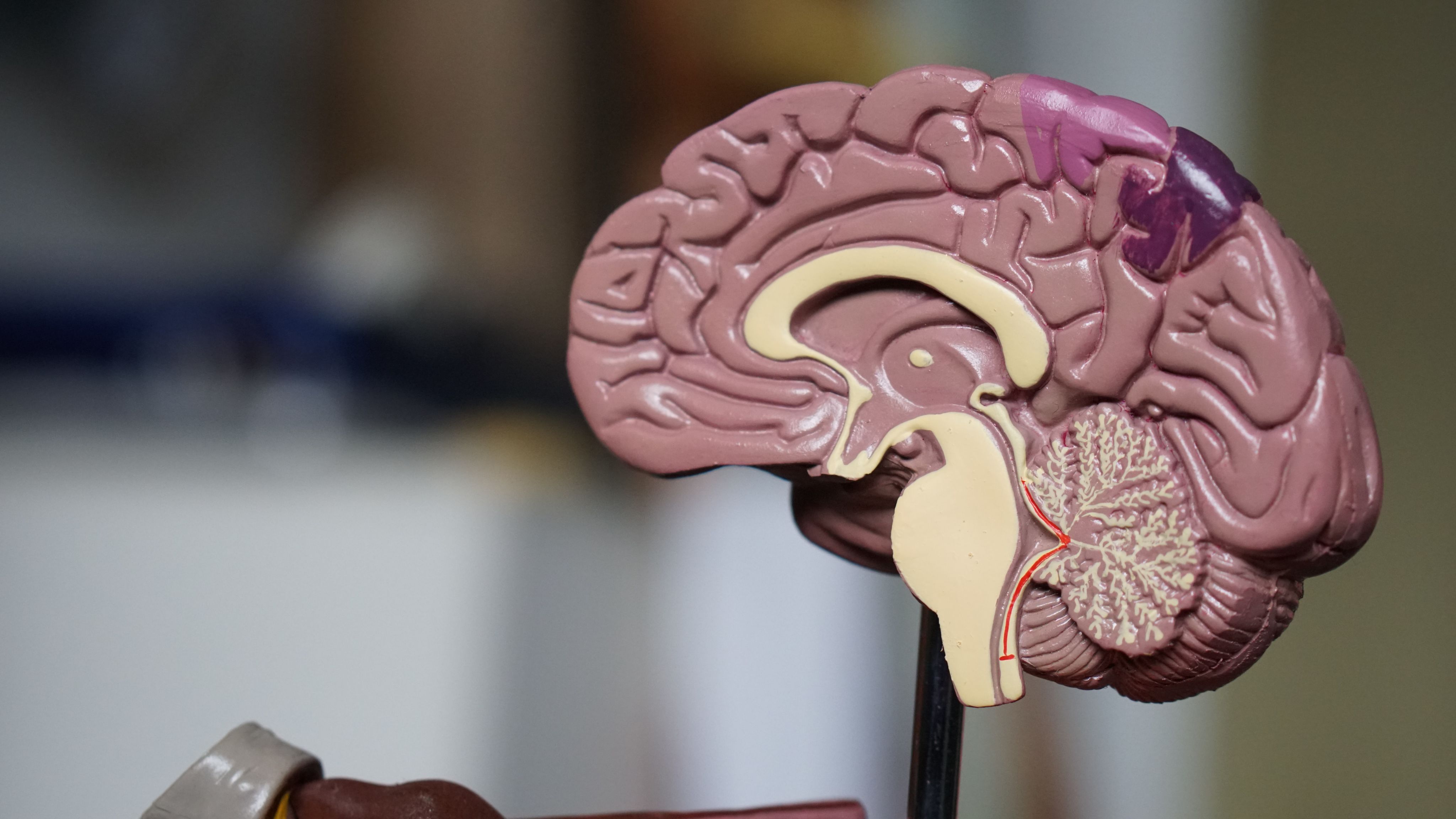
When it comes to processing music, there is no specific area in the brain that is affected. Multiple areas in the brain are stimulated by a single sound wave indicating that music creates the most brain activity.
Sound waves cause vibrations in the inner ear which are transferred into electrical signals and are carried to the brain by the cochlear nerve system. Once the brain receives the signals, over nine areas of the brain can be activated.
PRE - FRONTAL CORTEX
Music affects cognitive processes such as focus, decision making and anticipation.
MOTOR CORTEX AND SENSORY CORTEX
These both work together and one normally activates the other by music. For example, hearing and feeling the beat can cause your head to nod or your toe to tap.
The motor cortex is affected by music, such as dancing and playing musical instruments.
The sensory cortex processes music, leading to a feeling or emotion.
AUDITORY CORTEX
Where the pitch, volume and tone of music is analysed.
VISUAL CORTEX
Stimulated by reading and watching music but also by a recall of past memory through listening to music.
CEREBELLUM
This is where music can trigger feeling and rhythm
HIPPOCAMPUS (LOCATED ON THE BACK OF BRAIN)
This is where memories are stored and music can be used to trigger memories.
Patients with dementia can recall memory here through music
Exploring how music impacts sport performance
Interviewing GB athlete Charlie Carvell and Sports psychologist Melissa Dhillon


The music that makes medal winners
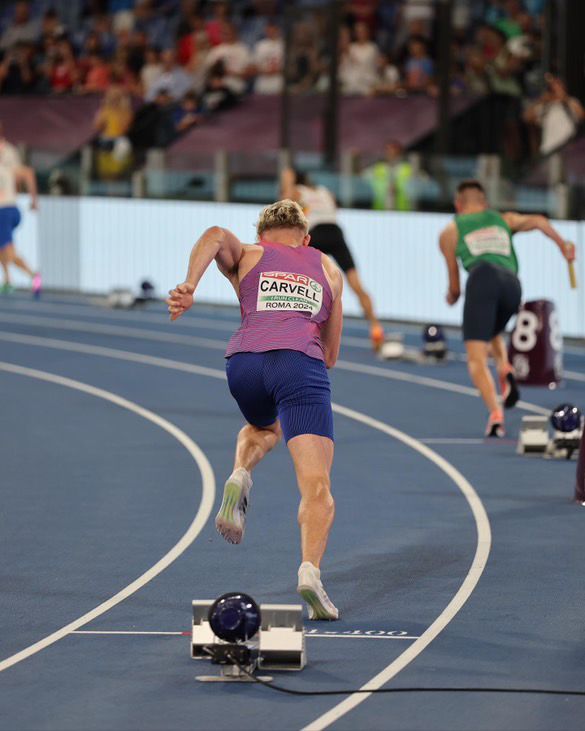
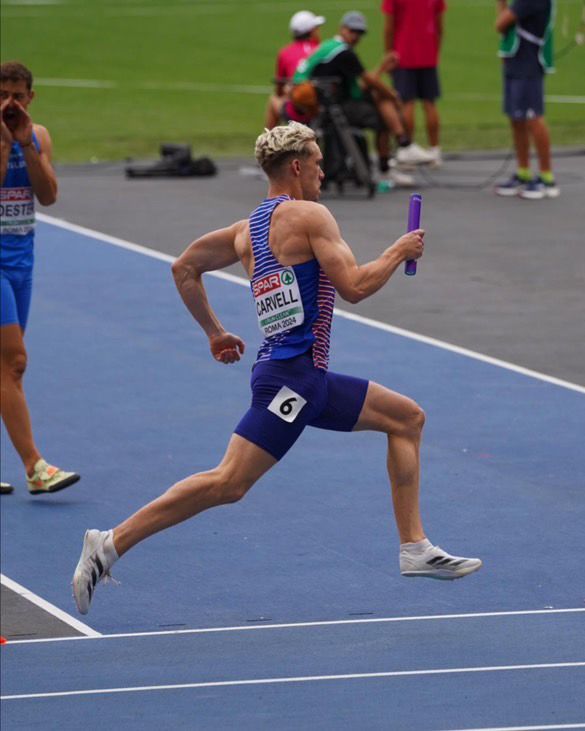
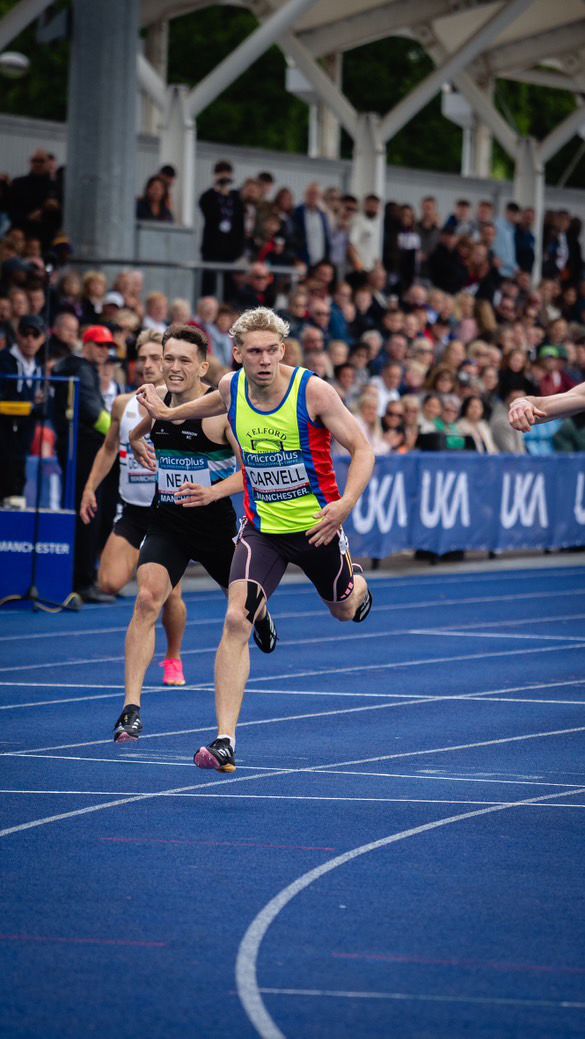
European gold medallist for the 4x400m relay and silver medallist in the individual event, Charlie Carvell shares his secret on how music plays a critical part in his success.
Click to listen to Charlie's race day playlist
As he walks into a stadium, he can’t help but feel the 60,000 pairs of eyes that gaze down on him; “I need to stay relaxed” immediately enters Charlie’s mind. Placing his Beats headphones over his ears, he automatically scrolls down to one playlist dedicated to this moment. With a press of a button, the roar of the crowd vanishes as he locks in and focuses on the rhythms and melodies.
Listening to music has become a crucial part of Charlie’s warm up. Leaving it out of his training enables him to maximise the effect that music creates just for races. He said: “I always have one playlist that doesn’t get touched unless I am there competing, and it will be the same songs over and over again. This means during race season it can get a bit boring.” Music helps channel his focus by reducing distractions such as conversations that people are trying to have with him. In his words, “I put my headphones in, and they can’t talk to me and that is what it is.”
The playlist varies in pace and tempo with song selections based on music that he can sing to. It could be old school and upbeat music, or it could be slow music such as Adele, which also makes an appearance in there. Charlie commented: “I am always a big advocate of being as relaxed as possible. When I am competing it’s about relaxation and keeping everything the same as possible; music helps me get into the zone.”
Towards the end of his warmup, he has a couple of songs that are more specific, more upbeat. This is where Charlie thinks, “Right, okay now, I need to really dial in, and those ones are more upbeat and motivational. I try and listen to the lyrics and think about how I want to envision how the race will go.”
Charlie demonstrates how music is versatile as different genres and tempos can be adapted to meet athletes’ preferences. When competing in the 4 x 400m relay, he said: “We all have an agreement that we listen to a certain type of music, then come back together.”
Music is an effective tool that benefits Charlie’s psychological state, helping him stay relaxed and increasing his focus, which leads to better results in his performance.
After conducting this interview, I wanted to explore the psychological effect that music has on performers, touching on the specific areas Charlie demonstrated where music benefitted him.




The depth behind the track
Exploring the influence that music has on the psychological state with theories applied by performance psychologist Melissa Dhillion.
Charlie Carvell demonstrated the benefits of music when competing. He explained how music made him feel and the positive outcomes he feels from listening to music pre-race. I wanted to explore the deeper reasoning why Charlie and other athletes feel a certain way when they listen to music.
Accredited Sports and Exercise Scientist in Psychology with six years of practical experience, Melissa Dhillon dives deeper into the unconscious mind, revealing the underlying factors behind why music is an effective tool for mindset. Her passion for psychology finds its origins in her tennis career as an LTA player. With firsthand experience of competing at a high level, Melissa has a broad perspective of the challenges athletes face.
Music has multiple elements that come together to create a track. These can be broken down into the tempo, lyrics, beat and rhythm. Each component helps to stimulate a cognitive response which has been proven to enhance performance.
Charlie mentions that he uses music to focus, “I put my headphones in, and they can’t talk to me and that is what it is.” When Charlie needs to "dial in towards the end of his warmup", he will select more upbeat music.
Melissa explains the psychology behind using music and why Charlie listens to upbeat music, encouraging him to get into the zone:
Charlie mentioned that his song selection includes a lot of lyrics, and he tries to listen to the lyrics, “thinking about how the race will go”.
Melissa explains the connection between the lyrics in the music and the effects it has on the athlete:
The selection of music depends on personality and individual differences. These play a key role in regulating arousal levels, preventing the performer from becoming stressed and anxious, which can interfere with their ability to perform.
Melissa provides examples where music is used to overcome challenges:
When it comes to Charlie participating in the 4 x 400m, each relay runner listens to their own music before they come together and compete. Music can bring individuals closer, increasing team cohesion when they listen to the same music together.
Here is why individuals work better when listening and training to music with other athletes:
Music is interlinked with emotion and can trigger an emotional response when listening to music. When asking Charlie, what does music mean to you, he said, “relaxed, happiness and comfortability, all things I need to feel when competing”.
Melissa explains how listening to music and using specific techniques such as humming can help athletes to feel more relaxed:
There are multiple physical and mental benefits athletes gain when listening to music. Melissa also mentions other areas where benefits of music can be found, such as using music in therapy and memory recall. These are two areas that we will be exploring next.

The battle against the UK's biggest killer
Our Dementia choir raises their voices to combat dementia.
Throughout your lifetime, music plays a significant role in creating memories. Music can be associated with a specific event, such as your wedding day or maybe a potential heartbreak. The memory and feelings can be recalled just by listening to the piece of music that takes you back to that time and place. However, maybe one day memories that seemed so easy to recall become challenges and tasks that you once could do, you no longer can. Memory loss is the first sign of dementia and in the UK, there are currently over 944,000 people who have been diagnosed with dementia. This condition not only affects the individual but has a large impact on loved ones, who often watch those closest to them slowly fade away, without a cure.
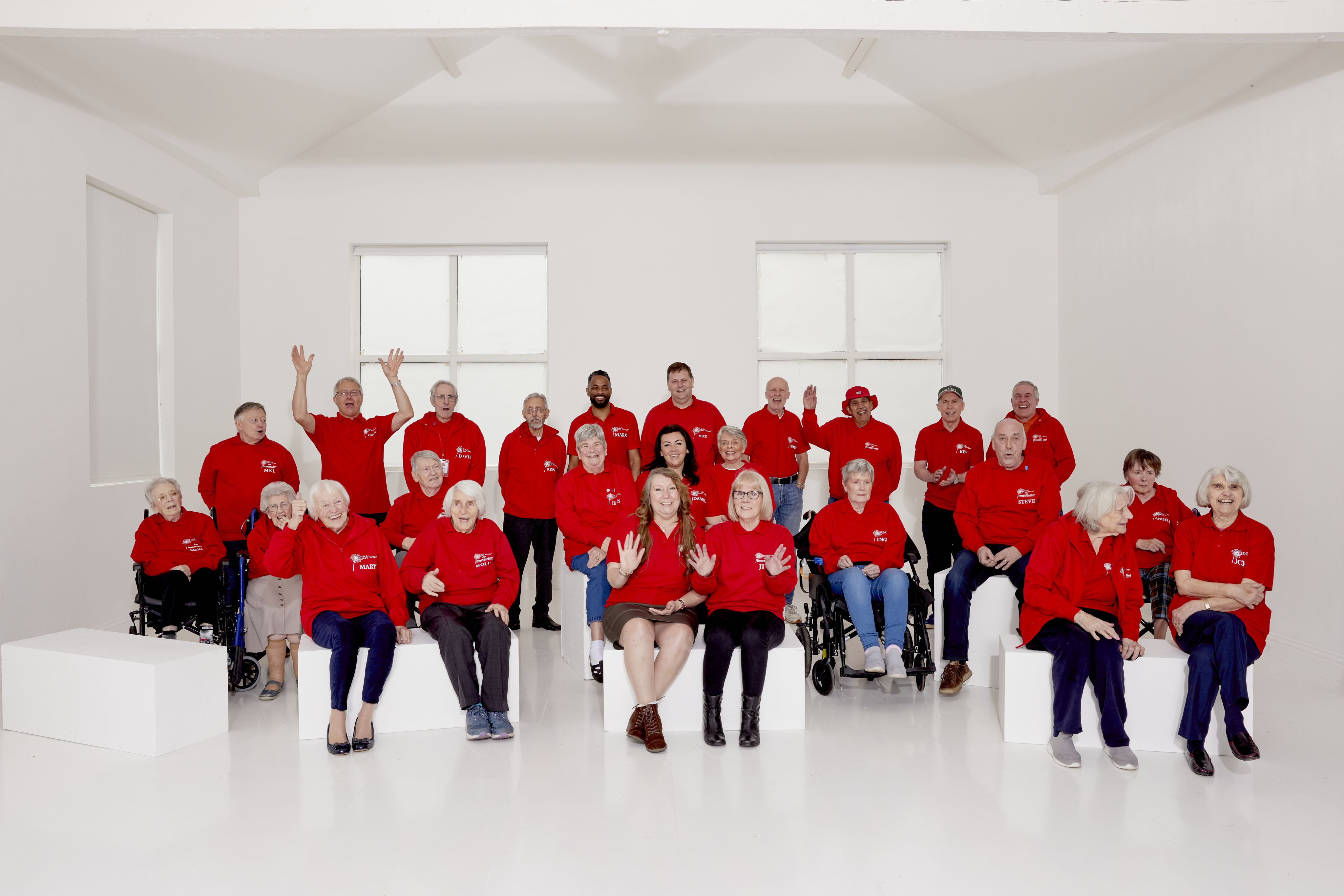
Our Dementia Choir singing (C) Our Dementia Choir press pack
Our Dementia Choir singing (C) Our Dementia Choir press pack
Music has become a medicine to help challenge dementia. Vicky McClure and Mark De-Lisser's dementia choir, Our Dementia Choir, has been working hard to raise awareness and showcase the need for more support for dementia patients. Contributing to ground-breaking scientific studies, they found that regular sessions over three months demonstrated that the choir could achieve extraordinary achievements.
Our Dementia Choir has highlighted not only the opportunities the choir has given to the group but also the power of music and song to change the lives of those living with the condition. The dementia choir has achieved tremendous successes singing live in front of 24,000 at Splendour Festival and recording their single, What’s Your Story at Abbey Road. Mark De-Lisser said: “The main objective for me was that the choir was able to do it.” What’s Your Story demonstrated the strength that music gave to the choir. Mark said: “People who lived with dementia for how many years of their lives were able to go to Abbey Road and record a song.”
When looking into the effects singing has on the brain, Mark shared some of the evidence they found from the BBC documentary. He mentioned: “when we are singing, there is a part of the brain that has a lot more activity and that is the pleasure centre. This area of the brain brings us joy, happiness and excitement and when singing, the brain was on fire.” When playing music that resonated with the choir, such as old war songs or songs from their childhood. Mark said: “they instantly remembered, maybe not all the lyrics, but the melody they 100% got it.”
Music can be broken down into specific parts to encourage memory and recall. Mark has developed specific techniques that he uses, and these have been successful in increasing the memory and recall from the choir.
There are two key techniques that Mark focuses on when teaching. He always uses the hook of the song, which is the part of the song that everyone knows, and the layout of each song by putting it into medley form. Mark explained how medley form works: “it is when we will use the chorus from, for example, Let's Dance by David Bowie, and then go into the chorus of You Are My Sunshine and then the chorus of We Are Family. We will use iconic songs but put them in medley form that links them together to make one performance, and therefore the people living with dementia don’t really need to remember too many lyrics.”
There are things they can recall and there are things they can’t, Mark explains. Most people can’t remember all the song but that does not mean those songs don’t resonate with us. Mark demonstrated this within our interview when asking me if I knew Billie Eilish’s song, Birds of a Feather. Immediately the chorus echoed around my mind, but when he asked me if I could sing the second verse, my mind went blank. Mark and Vicky know how to use memorable parts of the song to tap into people's memory and emotions: “for us we just want to give them something that is easy for them to pick up if they don’t have recollection in their short-term memory”.
The support of the choir provides opportunities to be a part of a community where everyone is fighting the same battle. Music has given carers extra support as well, as they can take a break from one-to-one care and sit back and listen, getting a glimpse of the person they care for reconnecting with their past. The choir is creating new memories that will remain present for a lifetime, especially the performance and records, because, as Mark says, “their voices will remain on that record forever.”
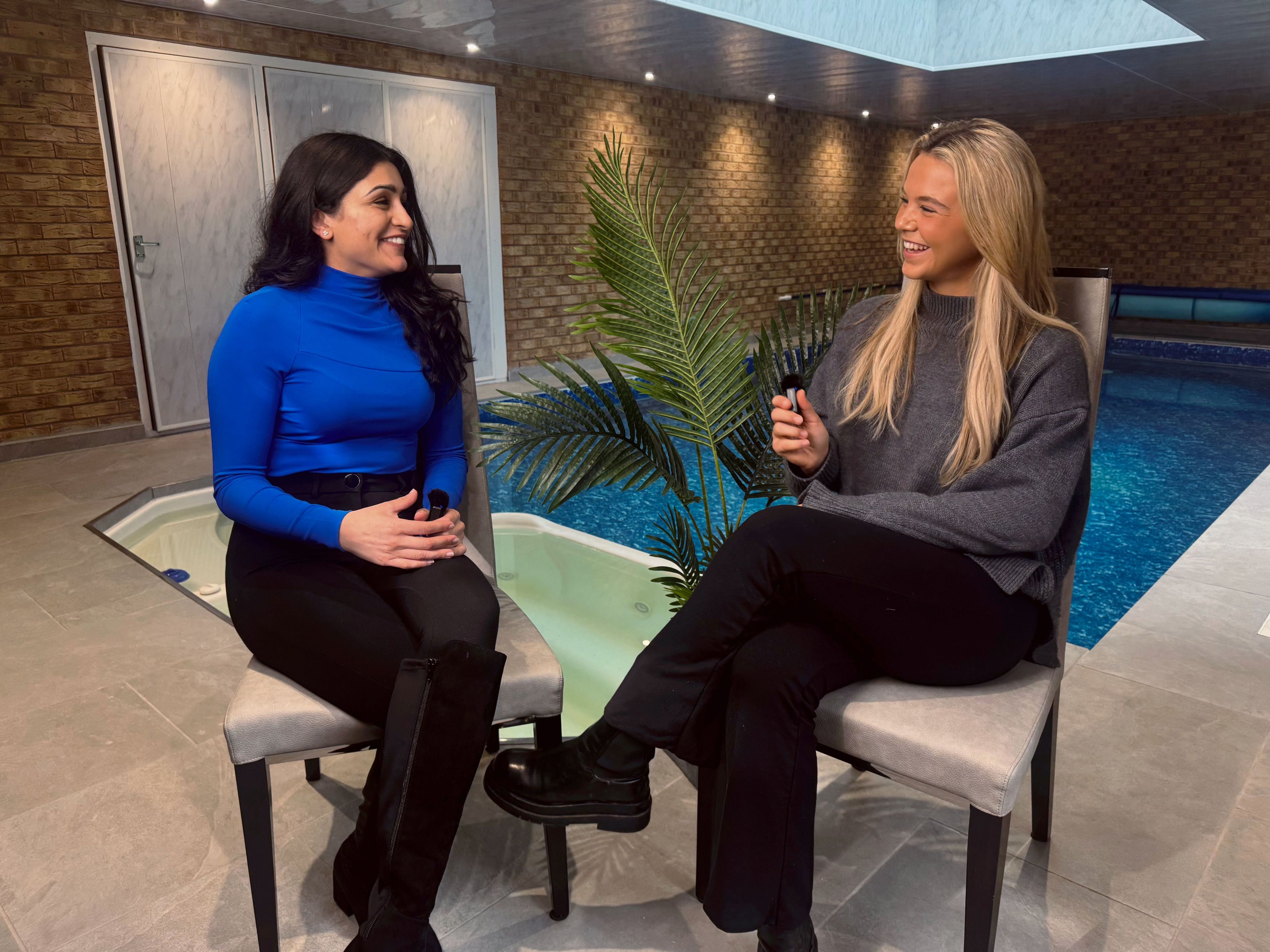
Ruby Richards interviewing Mark De-Lisser about the impact music has on dementia


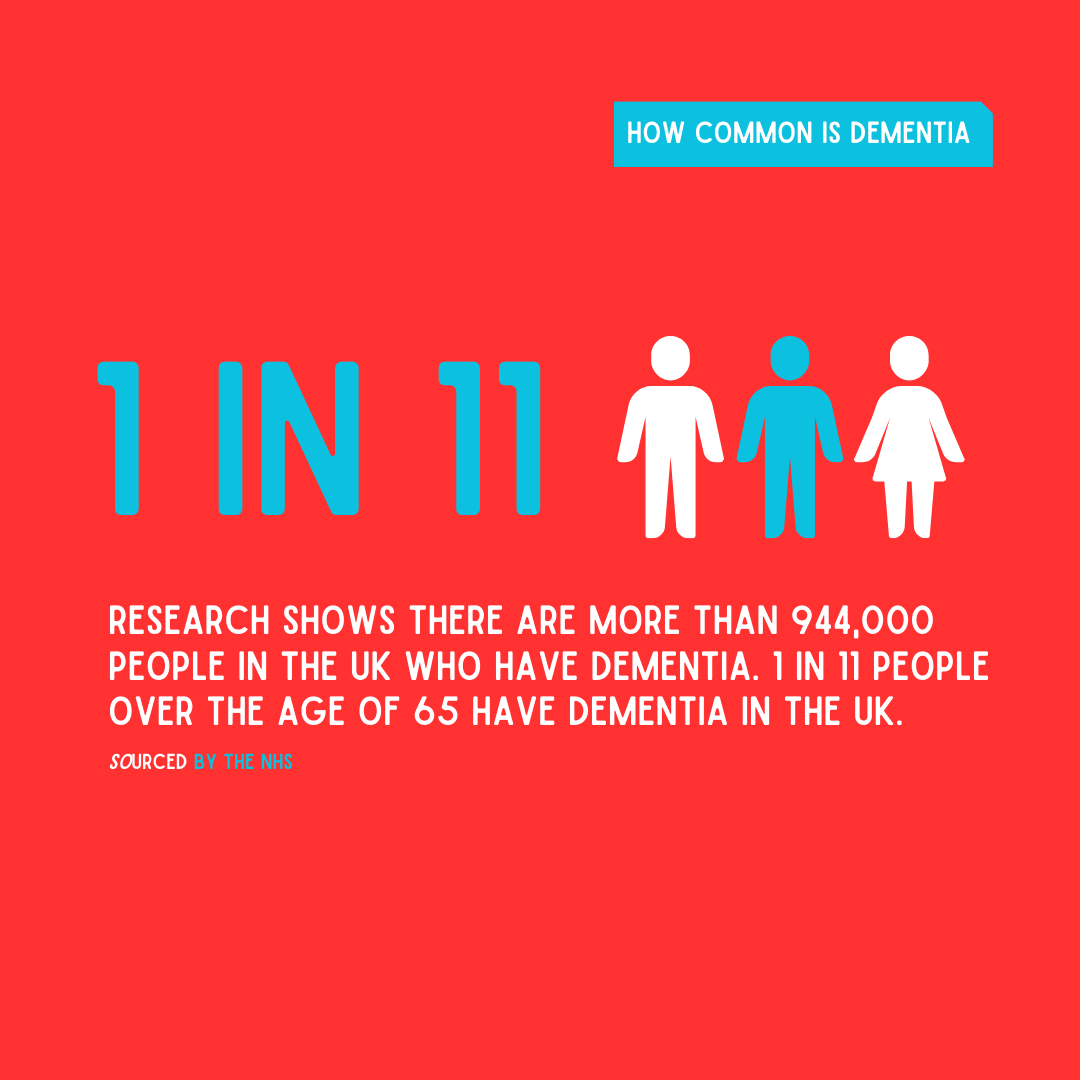
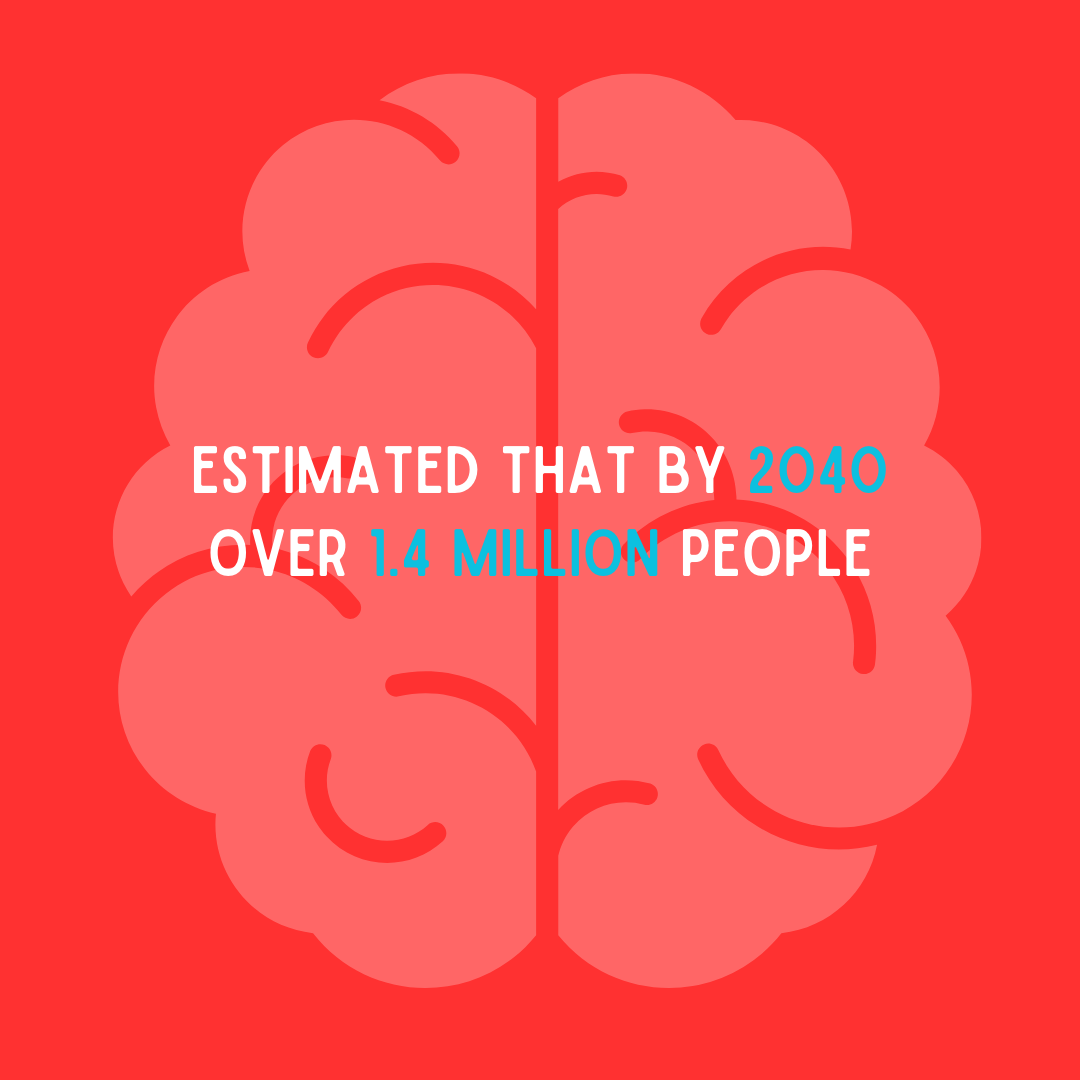
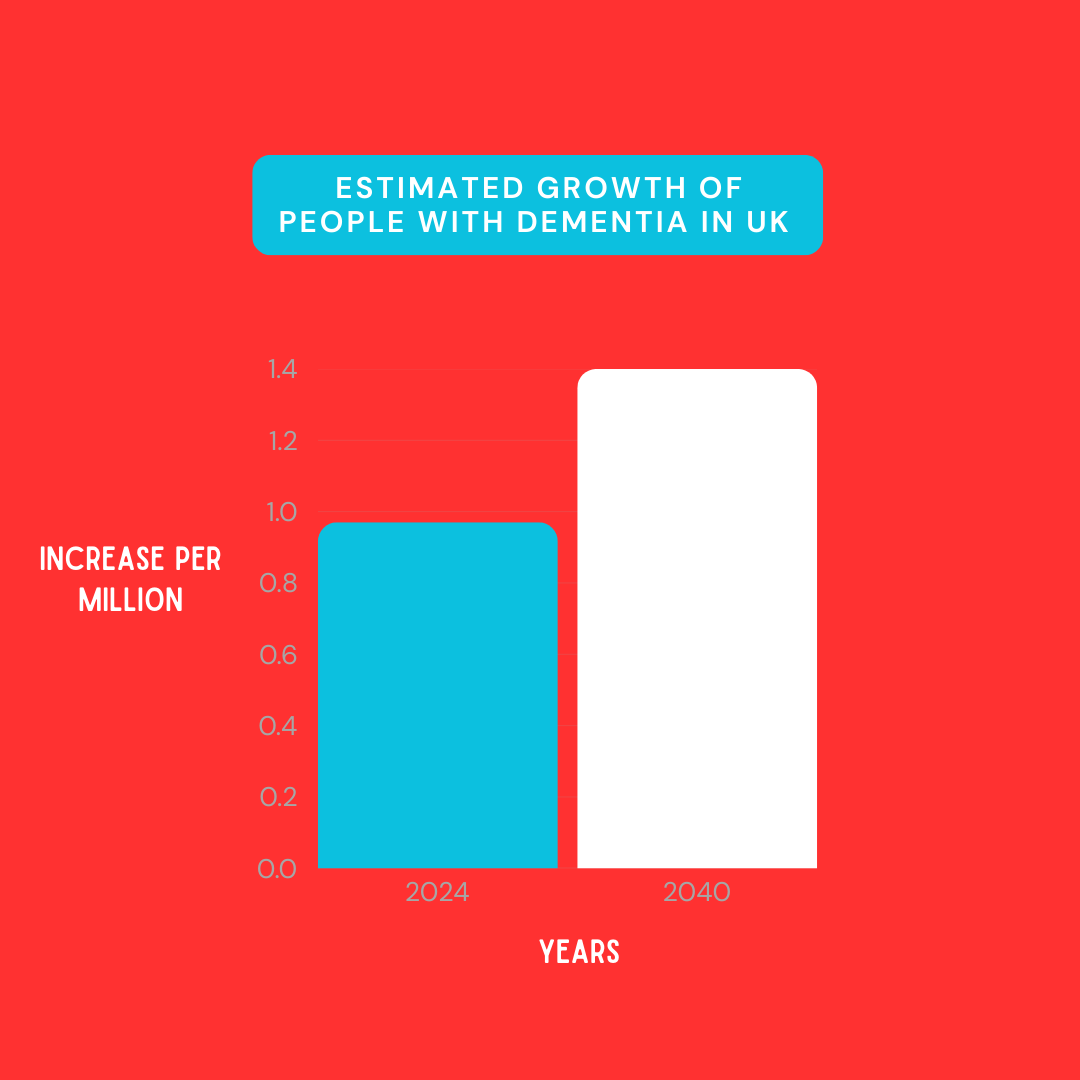
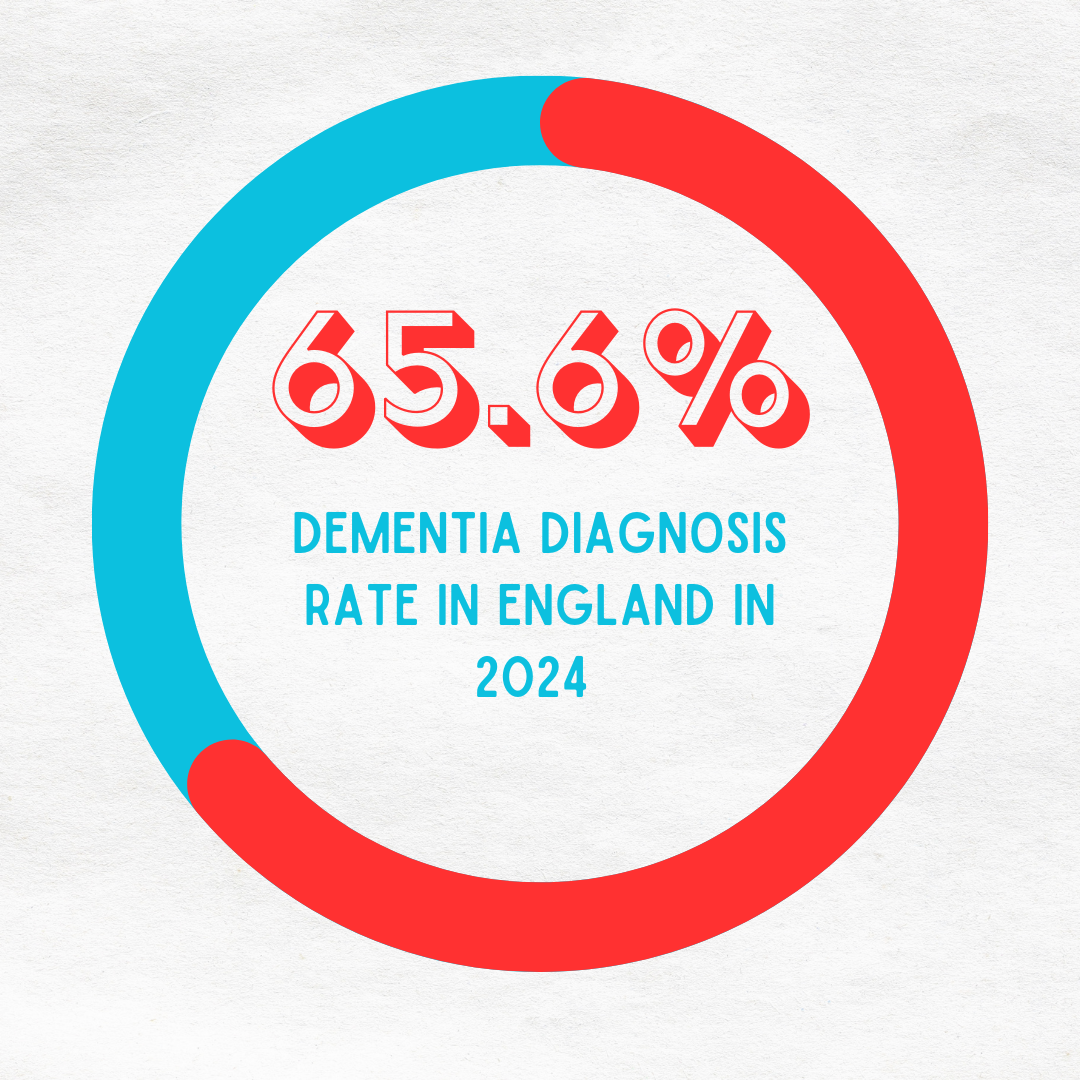
Statistics sourced: Alzheimer's Research UK
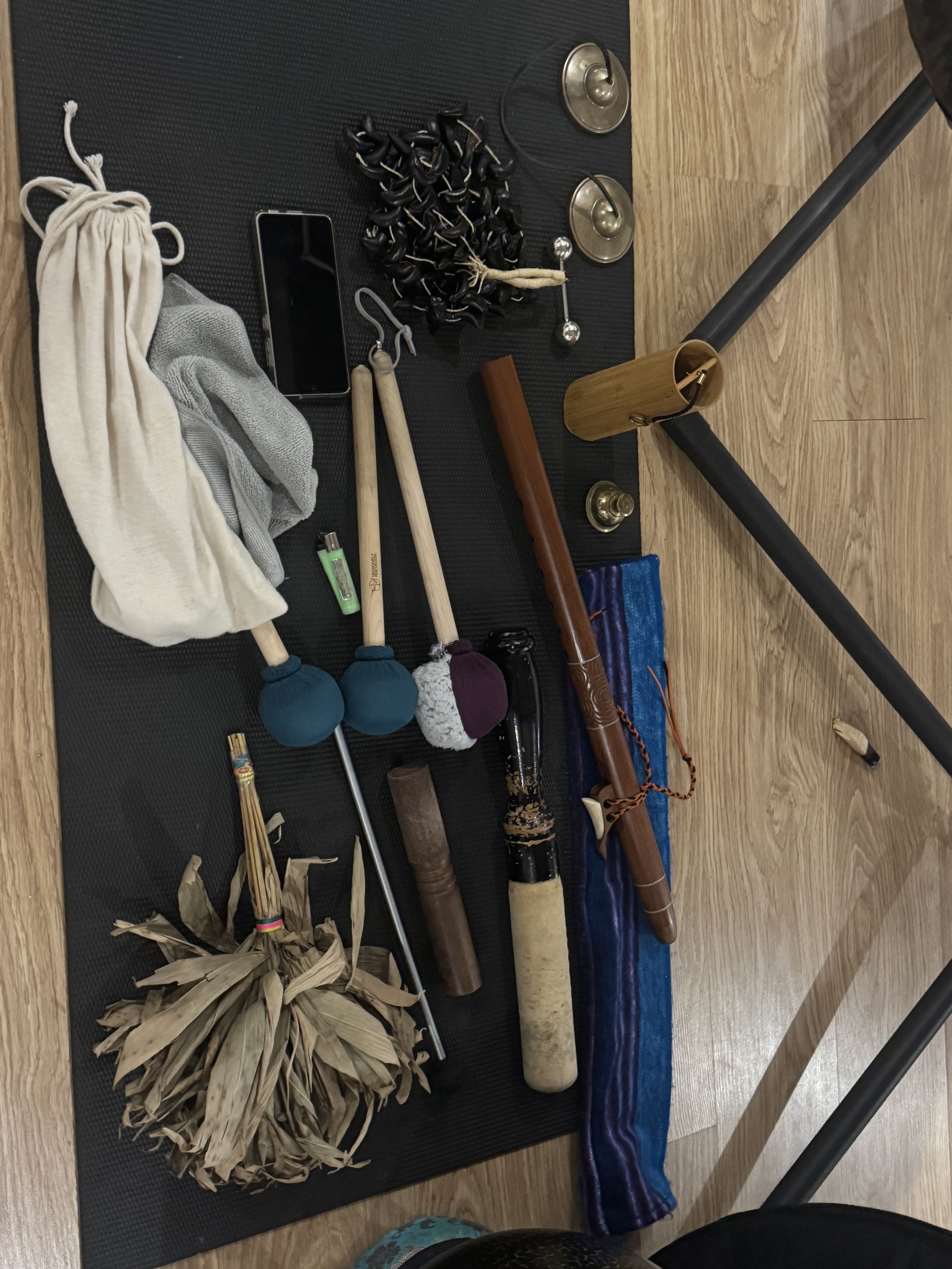
The power of resonance: Sound Bath Therapy
Ruby Richards' insight into Alison and Michael's sound bath workshops; while exploring the therapeutic effect it has on the human body.
Click to listen to a 'Sound Bath' playlist on Spotify
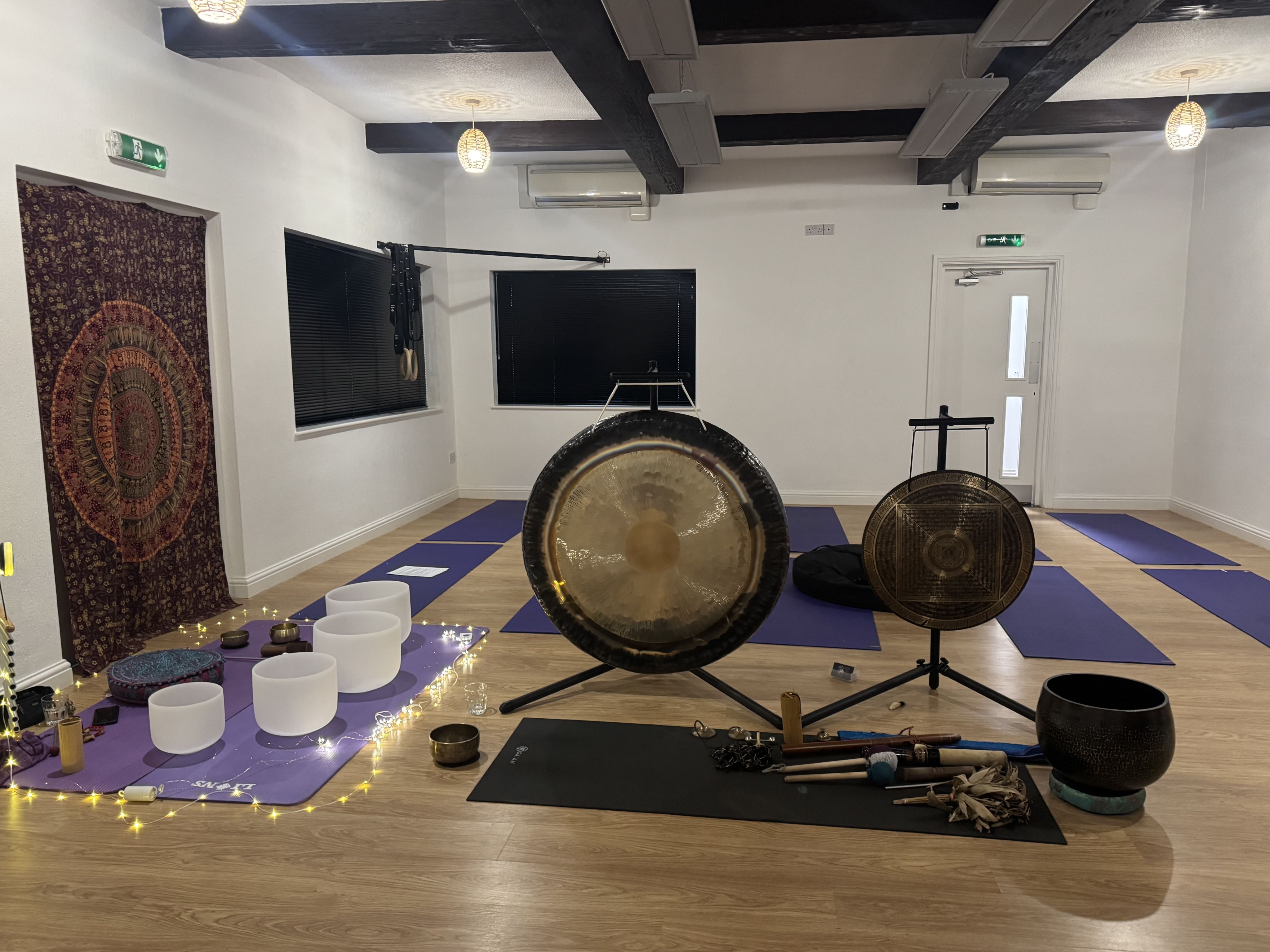
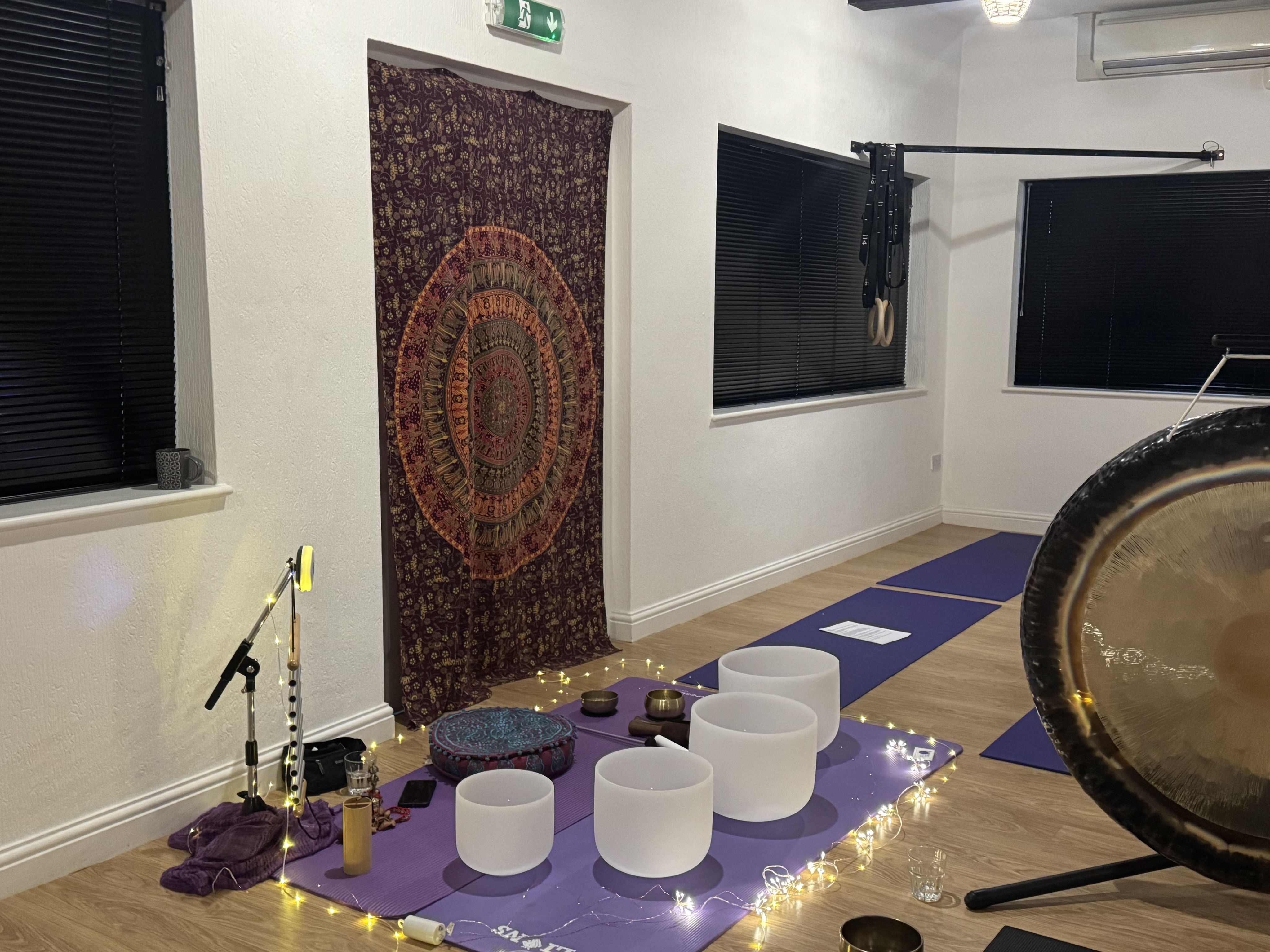
There I was, lying in the stillness of the room, feeling each part of my body slowly sink deeper into my mat. Gradually closing my eyes, a sense of anticipation lingered in the back of my mind, questioning what was going to happen next. The smell of incense and the sound of Alison’s soothing voice brought me into a state of relaxation and all I could focus on was taking one deep breath in and one deep breath out.
Slowly but steadily, my mind was filled with a high-pitched resonance, a sound that I had never heard before, but somehow, I felt so connected to it. All I could think about was how each part of my body was filled with this sound and how it made me feel so calm. A few moments later, an aura of twinkling sounds with intervals and much lower frequencies shifted the tone and the mood of the room. I felt my mind wander off into thoughts that I hadn’t considered for a while, feeling a sense of disconnection from real life but still processing relevant experiences. I felt as if I was in a dream.
What felt like ten minutes was forty-five; I was completely immersed in the magical sounds that Alison and Michael created. The sound bath carried me to a place where I was able to switch off from everyday life, with any feelings of stress and anxiety left at the door. This was my experience of my first sound bath.
Wanting to explore the benefits of sound baths, I thought the only way I could really connect and understand sound therapy was by taking part in a workshop. Based in Cannock at the Mind Body Lab, Alison Taylor-Smith and Michael Sewell’s sound bath workshop was an unforgettable experience, and I came out of the class with so many questions.
Michael started his sound bath journey after struggling with a lot of stress and anxiety. He said: “the doctors were about to write a prescription out for anti-depressants, and I thought there had to be an alternative.” After seeing the benefits from sound therapy, he went to Hawkwood College to study Gong Master training, qualifying as a sound therapist. Michael introduced Alison to sound bath therapy to help her cope with the stress of caring for her mum, who was battling cancer through COVID. She said, “I knew nothing about sound baths, and I was very reluctant to try it, but he eventually persuaded me. My first sound bath was totally transformational; it was a significant moment in my life.”
Sound baths have the power to help reduce stress and tension as our bodies react with the vibrations known as resonance, which is created by a series of instruments. Our bodies produce electromagnetic fields through cellular activities such as brainwaves. These bioelectromagnetic fields regulate physiological processes and if imbalanced, lead to disruptions to the body's natural frequencies inducing stress.
Michael said: “ Sound baths can restore balance throughout the body through harmonious frequencies and therapeutic sounds, helping you find the space of inner peace.” Alison explained that these work, “by using the sounds of the bowls and chimes to help the nervous system enter a parasympathetic state which is where rest and digest can occur.” The harmonic intervals are produced to affect emotions; these can create a dynamic within the pitch which creates auditory illusions of light and darker shades. The crystal bowls can generate 242 hertz, whereas the gongs can produce over 1000 hertz which creates resonance that everyone can feel. Repetition of sounds and tones causes the brainwaves to synchronise with the rhythm; this is known as entrainment. Michael said: “your brain synchs with alpha brainwaves and you enter the place you go just before you fall asleep. This brings you into a meditative state.”
Whilst sound baths can help restore balance within the body, they also have multiple physical benefits. They help reduce pain by placing the bowls on areas where the body is hurting, which generates resonance within the tissue of the muscle, helping it relax. There has also been significant scientific research looking into how resonance can help kill cancer cells. It can also lower heart rate, lower cortisol levels, reduce blood pressure and produce dopamine.
Michael expressed the overall power of the sound baths is that “everyone has their unique way of feeling it; you can have a totally different experience every time you come, and you connect with your subconscious, depending on what's kicking around.” The practice “can open areas for relief by visiting places that they wouldn’t normally go to safely.” Alison added, “Life-limiting beliefs are rhythms you have stuck in your head that are stopping you from moving forward. The subconscious is telling them to go to the place of darkness through entrainment which helps individuals process and start to heal.”


“We are disruptors here” Breaking down rehab barriers through BPM

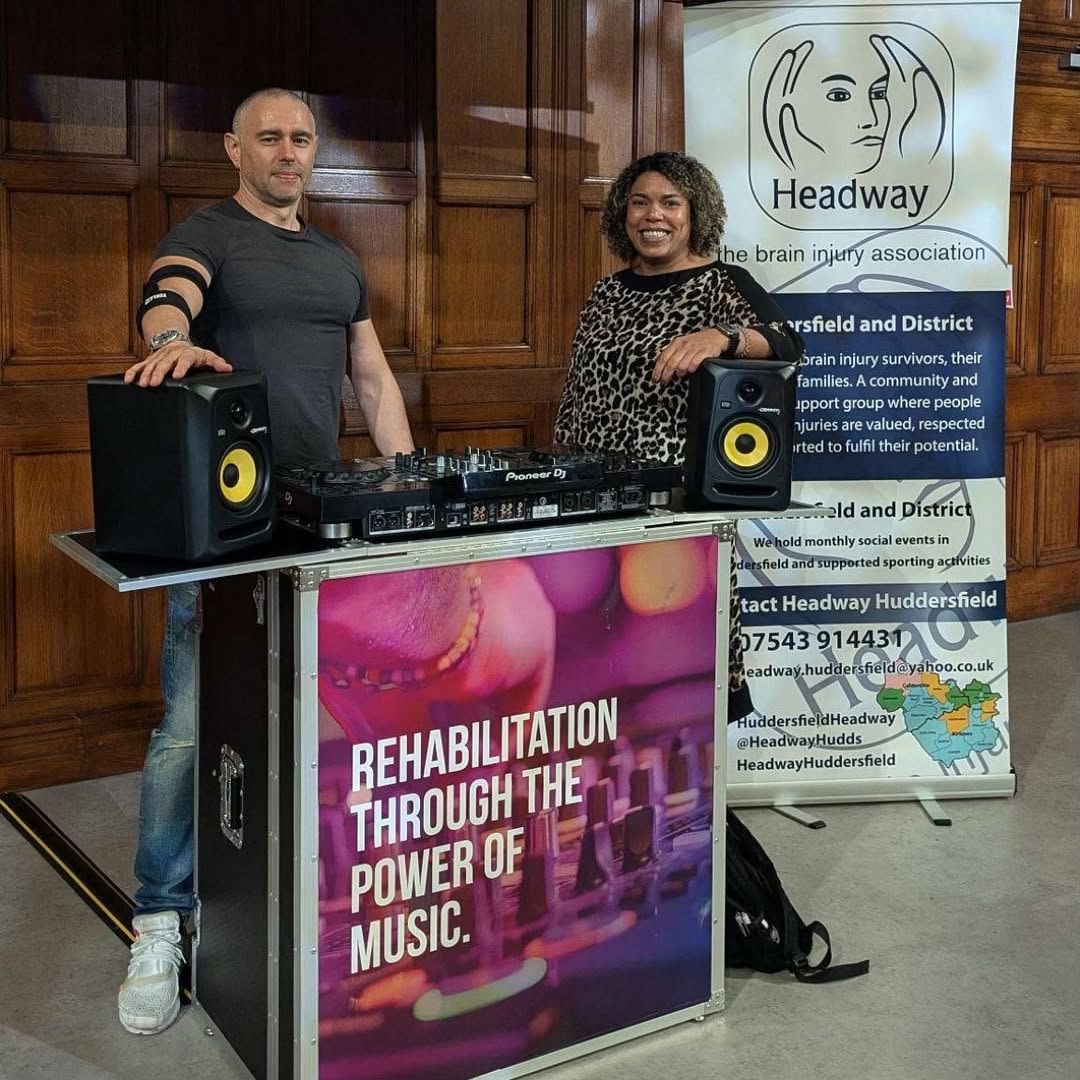
Director of the School of Electronic Music Manchester and co- founder of BPM Rehab, DJ Mark One, blends his love for music with his therapeutic practices. He highlights how music is the answer, beating what was once deemed the impossible.
Students who attend BPM Rehab have either faced negative experiences within the education system or have suffered acquired brain injuries. Most of the time, individuals who face severe accidents get told that they will never recover. Mark said, “We never tell people what they can’t do, we always tell people what they can do in here. We give individuals that autonomous approach to using music as a tool in rehabilitation.”
Taking the systematic approach, Mark shares how music production and practice helps reinforce patterns that can be transferred to everyday routines. Focusing on making rehabilitation a creative process, Mark explained, “We have the fun; we play the music and make the music and then we look back and have a checklist. How did you approach setting up a studio? Did you have a certain process that you had to do to shut the studio down? That’s the systematic approach that can then be transferred into other areas of life.”
Why is using electronic music a different approach for rehabilitation?
Opposed to traditional rehabilitation provisions, Mark explains how we almost trick the learner into rehabilitation: "We get them in, we get them DJing, we get them making music, we reinforce those patterns over and over again, so they almost have that autonomy at a certain point to decide what music they are going to make, how they are going to make it, what equipment they are going to use. Setting up a studio and producing music has a series of checklists and stages you must complete to get to the result. Providing a great example, Mark said, “by taking the studio out of the situation and applying the checklist to a cuppa tea. The approach is the same, you still have that same systematic approach to making a cuppa”.
Why music?
Using electronic music has been an effective and efficient tool for rehabilitation processes. Mark explained how results can occur instantly due to the process being more engaging and easier than using instruments. He said, “someone can learn to DJ in five minutes or make a drum pattern or beat compared to the time it would take to play the guitar if your co-ordination, or your motor application isn’t great.”
The law of nature states that everything vibrates within the universe and “everything has a resonance frequency, so we are totally in tune with that on a subconscious level,” Mark explained. These observations that everything in the universe vibrates and there are certain frequencies you resonate with and certain frequencies you don't explain why Mark strongly believes music is the most powerful tool for rehabilitation. Mark informed me, “it doesn’t matter what certain frequencies people resonate with; they can come in here and make that music. If a student likes tech house, we can bring them in here and use tech house and electronic music as an instant response vehicle and we can get a student onto a path of rehabilitation.”
How do you measure the progression of the rehabilitation process?
The data collected by BPM Rehab is based on evidence from client case studies and the effect music has had on their motor movement, concentration and confidence. Mark said, “We have had people involved with road traffic accidents, where they have been perceived to have lost their mobility in certain sides of the body. In one case, a student had lost all mobility in his left hand.” When left in a room using the scratching technique on a DJ jogging wheel for a couple of minutes, Mark said, “he started to move his hand automatically; we had created a new neuropathway as we give individuals that autonomous approach to using music as a tool in rehabilitation.”
The powerful connection between music and the mind demonstrates how music can be extremely motivating. Mark expressed, “the appeal and attraction of music is linked to the resonance.” A pivotal moment for one of Mark’s clients was shared in Neuro Rehab times; the client had suffered a severe brain injury which had left him unable to walk. As part of a collaboration with BPM Rehab and Chroma, they had organised a studio recording day. However, when accessing the studio, he was faced with two flights of stairs. The client's motivation to record the song in a professional studio was a turning point in their rehabilitation journey. What was once a physical barrier now became a challenge to overcome, which was fuelled by the physical connection of music. The client made it to the studio; this was a significant case study demonstrating the emotional resonance between the client and music.
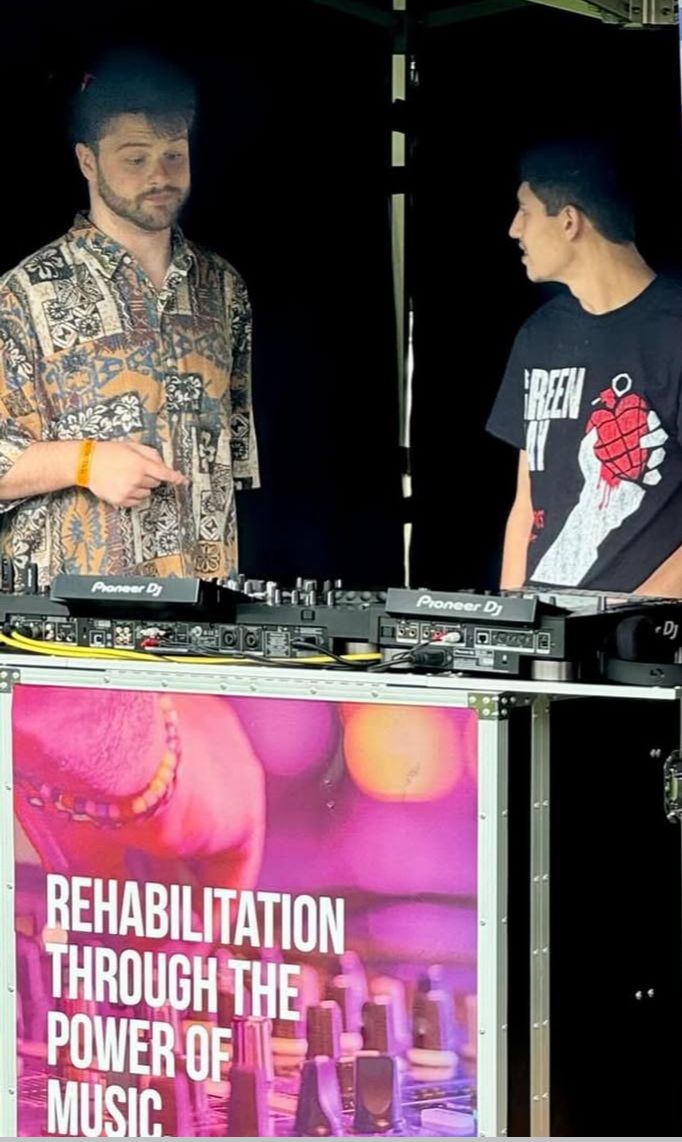
BPM Rehab uses a variety of musical methods to carefully craft a rehabilitation programme. Mark said, “DJing is a source of positive esteem for many young people and allows them to develop confidence in a skill that supports them to connect socially with others.”

Sara Woods shares her son's rehabilitation story with Rehab BPM
Matt was diagnosed with cerebral palsy due to complication at birth which led to brain damage and severe learning difficulties. His mother, Sara, had a musical background and Matt was exposed to music from a young age.
Sara came across BPM rehab when taking Matt to a ‘Brain Bootcamp Workshop’ and found he took a real liking to DJing. This was the starting point for Matt’s music rehabilitation journey as it was his first using DJing equipment. At the start, it was a shock to the system. Sara said, “his concentration was all over the place and I had to stay in the room with him. He struggled with the transition part of DJing, so I created visual handouts and started to bring percussion instruments to the sessions to help him keep time.”
Matt’s teacher, Leo Neville, focused on repetition work and breaking each technique into smaller chunks. Sara said, “Due to Matt’s condition, specific techniques like twisting the knobs and beatmatching by hitting the button straight away and moving the jog wheel were a challenge.” Through practicing and using the hot cues to be more creative, Matt has developed more defined motor skills and Sara said, “Instinctively he can hear a song, and he can feel the 4 /4 pulse. If you count it for him up to 8 bars, 60-70% of the time, he doesn't have to move the jog wheel at all - it’s in time.”
Music has formed multiple transferable skills in Matt’s life. Sara shared that she noticed “improved concentration because at school he finds it challenging but when DJing, noticeably, there is a difference in focus, and he has become more confident.” He recently performed at Accessible Festival, one of the projects Leo and Sara set out for Matt.
A lot of preparation was put in place for the event, but significant progress was made within the process. He started to get used to some of the songs, playing them in the car and eventually, “Matt didn’t want me in the room when practicing; he focused on his teaching,” said Sara.
After not even a full year of the rehabilitation programme with Rehab Bpm, Matt accomplished remarkable achievements by performing at the Access Festival and his own 18th birthday party. “Music has shown he can do it,” said Sara. DJing has enabled Matt to be a lot more creative. Sara expressed that it has “improved motor skills, improved OT skills and listening skills - a lot of positive things.” The art of creative expression, of using hot cues and improvisation has given Matt creative confidence as, in Sara’s words, “most students are scared to try improvisation as they don’t want to be wrong.”
Music is also not restrictive within the rehabilitation process. There are so many areas to work on and improve. Sara and Leo have set out further projects to expand Matt’s progression. These include minimising the prompts and doing it all himself independently. He also has started drum lessons.
Matt’s story and the work BPM Rehab do has shown how powerful music can be both as a form of rehabilitation but also to develop social skills and confidence. As research progresses and more statistical evidence is provided, we are learning more about the rehabilitative power of music. Hopefully more organisations follow in BPM Rehab’s footsteps to find creative ways to help people.
For more information on The Power of Music project visit:

 Built with Shorthand