
The booms and declines in Liverpool running events
From the Mersey Marathon in the 1980's through to the current record breaking BTR Liverpool Half Marathon.


There is nothing quite like the anticipation of waiting for the starting gun with a blend of nerves and excitement buzzing through you as all your hard work is about to be put to the test.
Many silent miles, with the rhythmic pounding of thousands of feet eating up the tarmac, matched by the humming of heavy breathing, are familiar conditions for these runners.
But what is not so common, is the relentless noise of cheering, bells and horns that hits you and detaches you from fatigue, carrying you across the line.
A place that has embodied this for years is Liverpool.

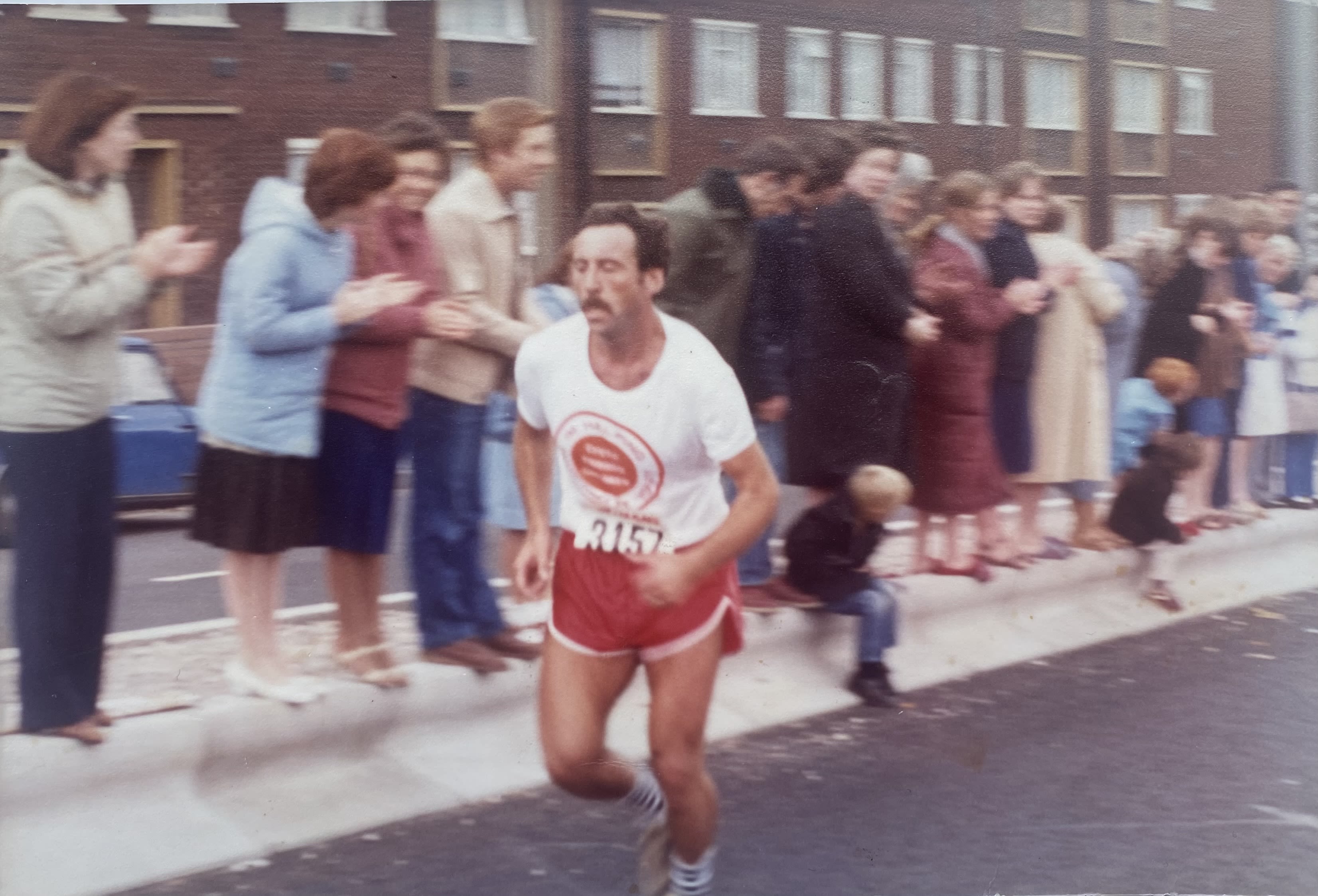
Anthony Jones in the Mersey Marathon (picture by Glenys Jones)
Anthony Jones in the Mersey Marathon (picture by Glenys Jones)
Starting with George Neville White in 1927, he organised the city’s first ever marathon, starting at St Georges Hall and finishing at Anfield ground.
Only 144 participants were involved, as the first running boom did not reach the city until the 1980s.
The origins of mass participation came from New York, as Chris Basher copied this launching an event in London in 1981, kickstarting the 80s running boom.
Races appeared everywhere as it gave ordinary people a chance to challenge themselves, with Liverpool being one of the early adopters when the Mersey Marathon was set up in 1982 by Derek Johnston, attracting over 3,000 runners.
This continued until 1992 until participation declined with only 490 finishers, seeing it come to an end.

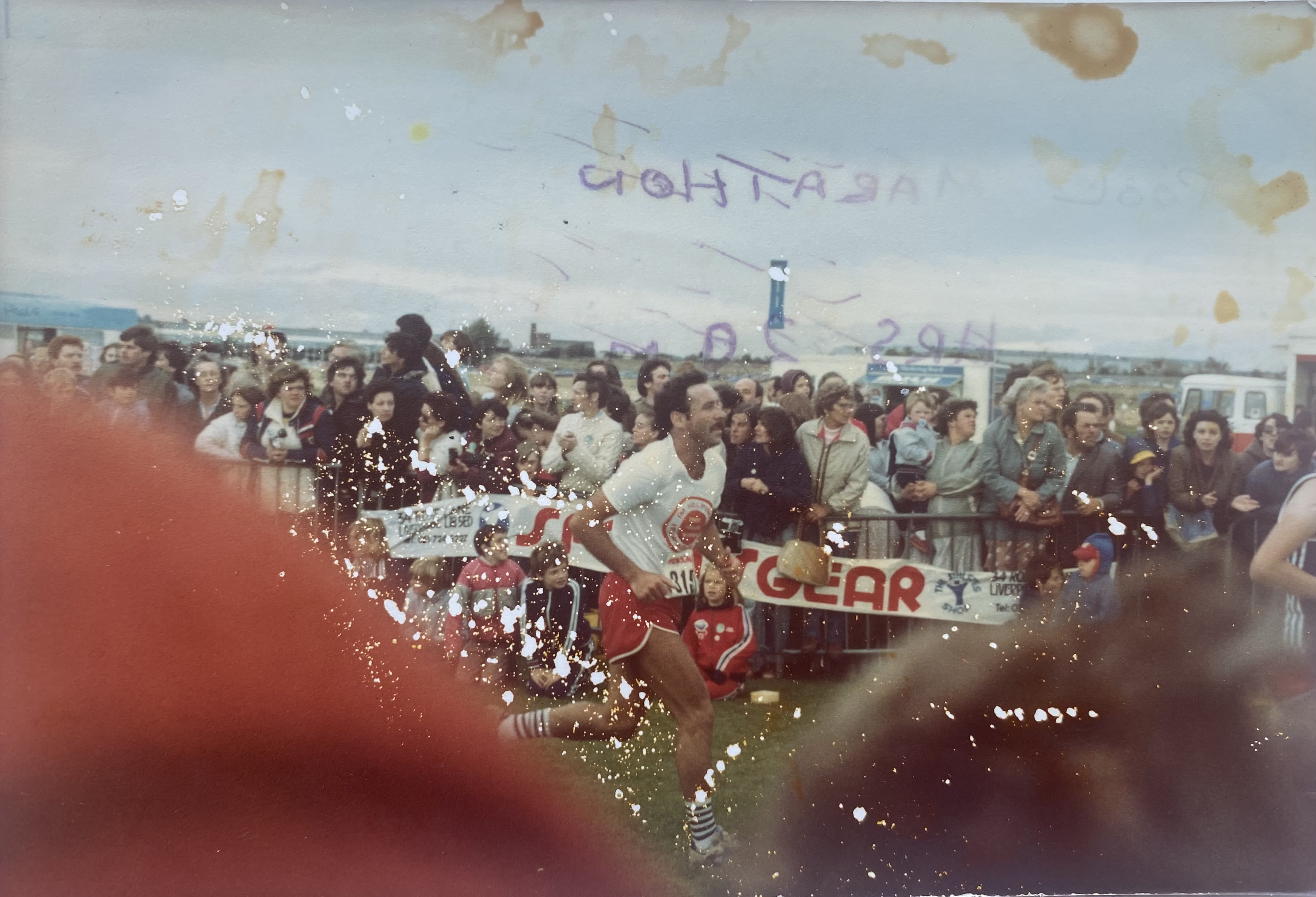
Anthony Jones on Camp Hill in the Mersey Marathon (picture by Glenys Jones)
Anthony Jones on Camp Hill in the Mersey Marathon (picture by Glenys Jones)
There had been no major event in the city for two years, until in 1994 the International Liverpool Marathon debuted.
Alan Rothwell was involved, who is now the director at BTR Liverpool who are the current organisers.
The 70-year-old said: “What the group had tried to do in the first year was introduce like a quality and international dynamic whereby there was a couple of lads had contacts with elite runners at the time, and they tried to bring them in.
“It never really took off, because, I'll say, we couldn't get the sponsorship involved to bring in proper elites. So, it's sort of origins started from there.
“It lasted for 10 years as the International Half Marathon, and then in 2004 the London Marathon company offered to take it over.
“Unfortunately, the big dig was on, and they were building Liverpool One, so the London Marathon wanted to use the waterfront, as you know, the big feature, and they couldn't, So, they only lasted two years.”
The race returned to Rothwell who has continued to develop it through to the modern day.

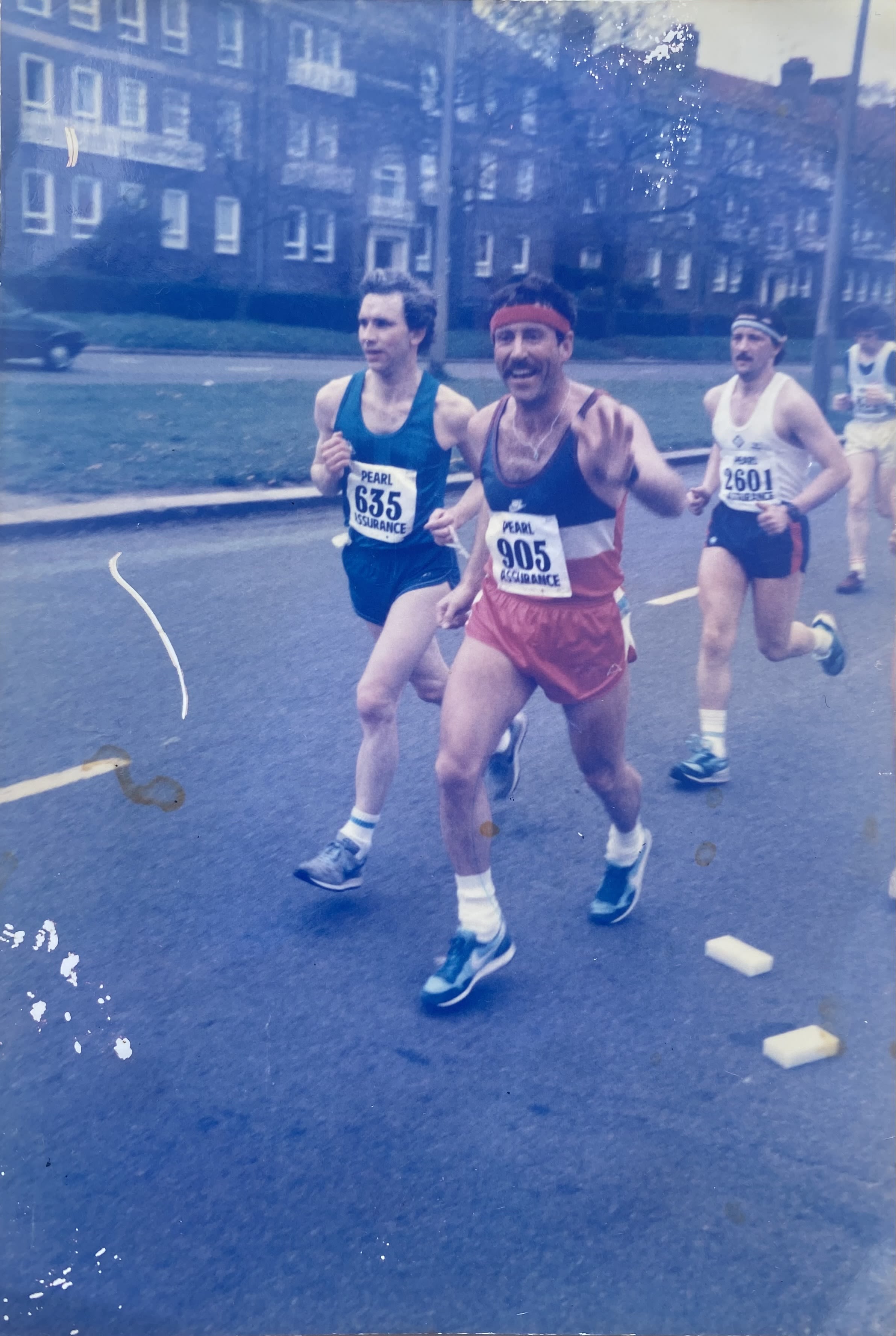
Anthony Jones in the Liverpool Half Marathon (picture by Glenys Jones)
Anthony Jones in the Liverpool Half Marathon (picture by Glenys Jones)
The portfolio consisted of the half marathon, the women's, and the tunnel 10km events and the Santa Dash, which is the UK’s largest festive 5km run. But it was still missing the Marathon.
But, in 2011 the 26.2-mile route re-emerged when BTR brought it back after a 19-year absence.
This resurgence in running was largely down to the rise of campaigns by brands like Nike who shifted away from representing solely elite athletes and instead targeting a more community and lifestyle market. This was further pushed by the rise of social media at this time.

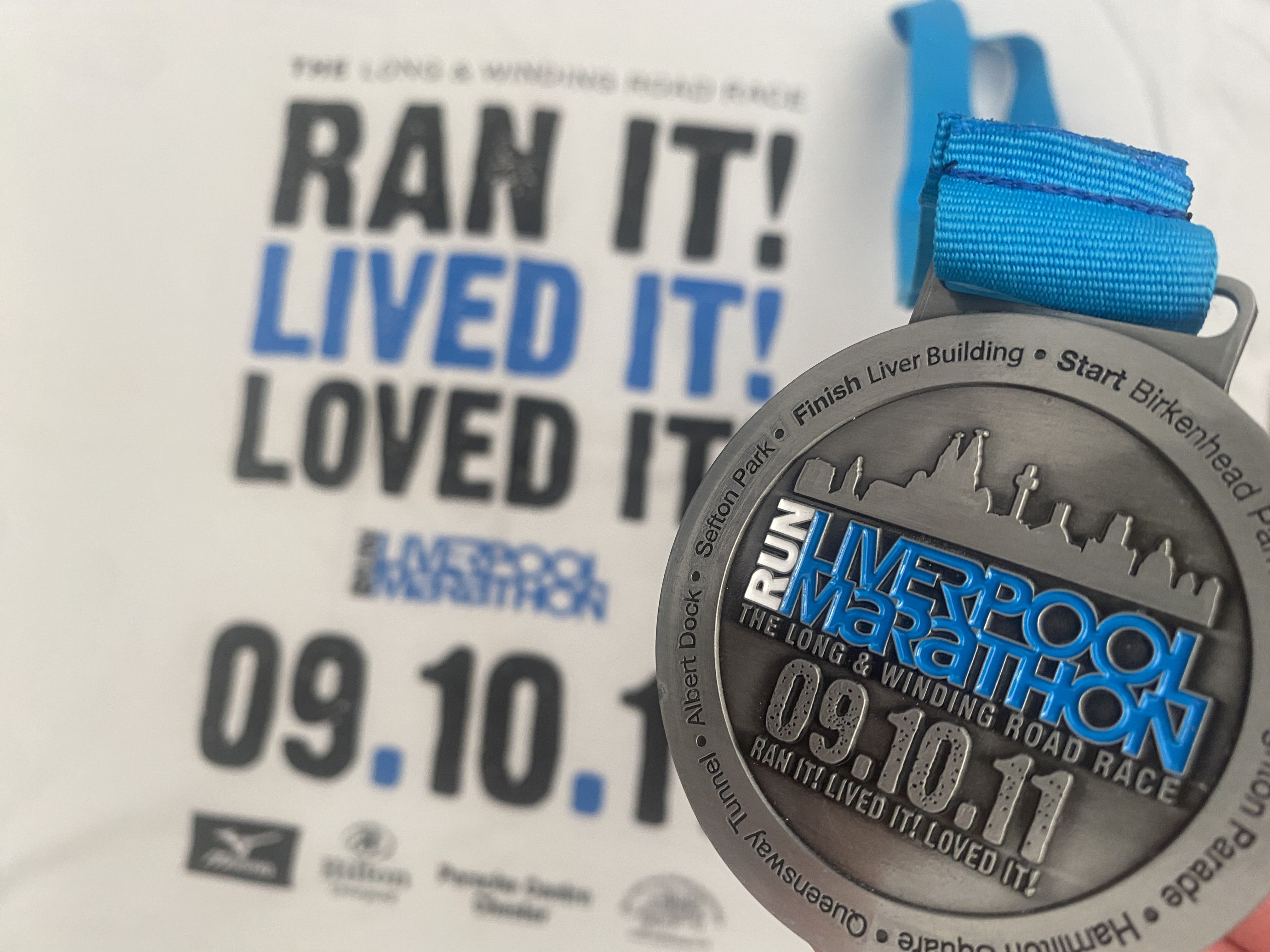
Liverpool Marathon 2011 medal and T-shirt (picture by Lewis Jones)
Liverpool Marathon 2011 medal and T-shirt (picture by Lewis Jones)
Rothwell said: “There was a boom around that time. I think Chester had put a race on, oddly enough, the same time as us. Obviously, the Chester boys had a perception that there was a gap in the market there for another marathon, because the time was right.
“I set the course out, going up to New Brighton, coming back down the prom, so when you turn onto the prom at New Brighton, the first thing you saw was the Liverpool skyline.
“It worked really well for the two years that we did it, and then Liverpool City Council had a change of heart and wanted to bring in rock and roll who changed the whole dynamic.”
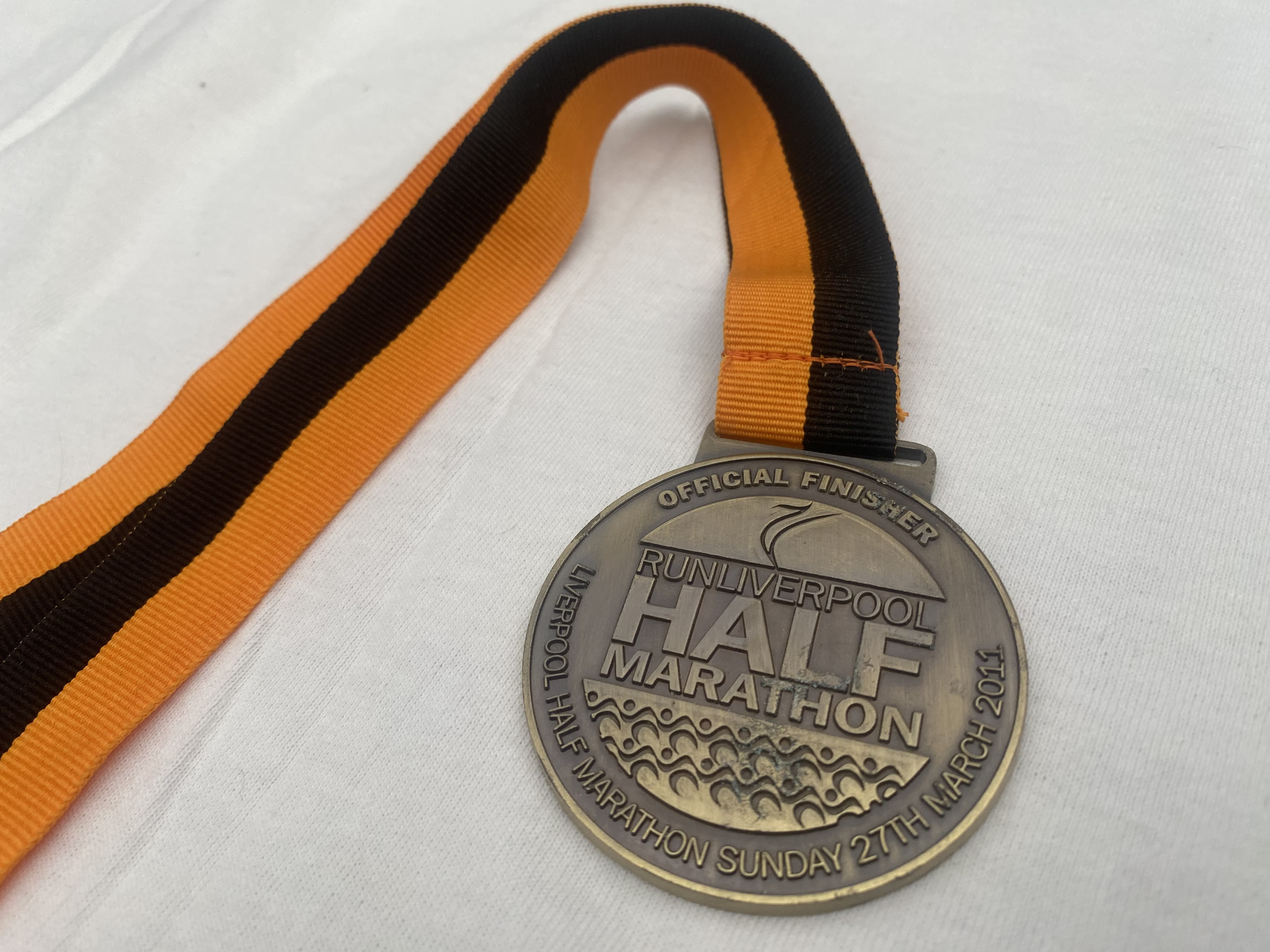
Liverpool Half Marathon 2011 medal (picture by Lewis Jones)
Liverpool Half Marathon 2011 medal (picture by Lewis Jones)
Set up by the US based Competitor Group Inc in 2014 who looked to entwine running and music with live bands along the routes, reaching record numbers in 2017, attracting more than 20,000 runners that year.
However, like many events the financial and operational impacts of the Covid pandemic brought an end to the series in 2021, leaving the city without a marathon once again.
Whilst lockdown brought a close to races it seemed to be the catalyst for the third great running boom as there was a need for outdoor activity and society became more health conscious.
Stats show this with the BTR Liverpool Half Marathon reaching record numbers year on year, with it now up to 15,000 for 2026.
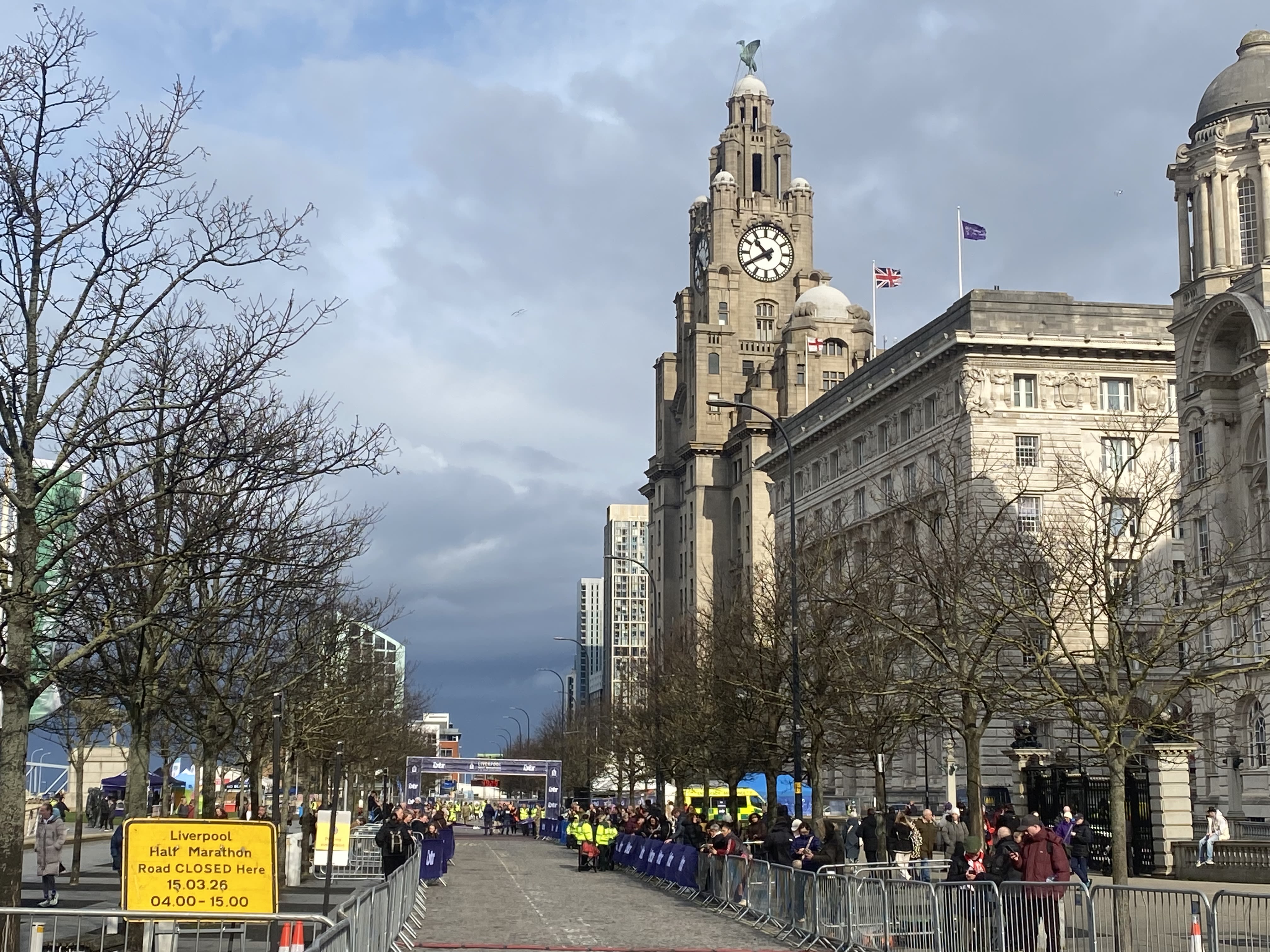
BTR Liverpool Half Marathon 2026 finish line (picture by Lewis Jones)
BTR Liverpool Half Marathon 2026 finish line (picture by Lewis Jones)
Rothwell said: “At the minute, there's a boom, because certainly in the younger age groups, I'd say from 18 plus, and I looked at in 2024 there was a significant increase in female entrants in the half in the younger age group.
“There's certainly a different profile in terms of health and wellbeing. There are so many initiatives geared towards health and wellbeing, mental health, physical health. If you look at the number of gyms in the city, they seem to be everywhere.”
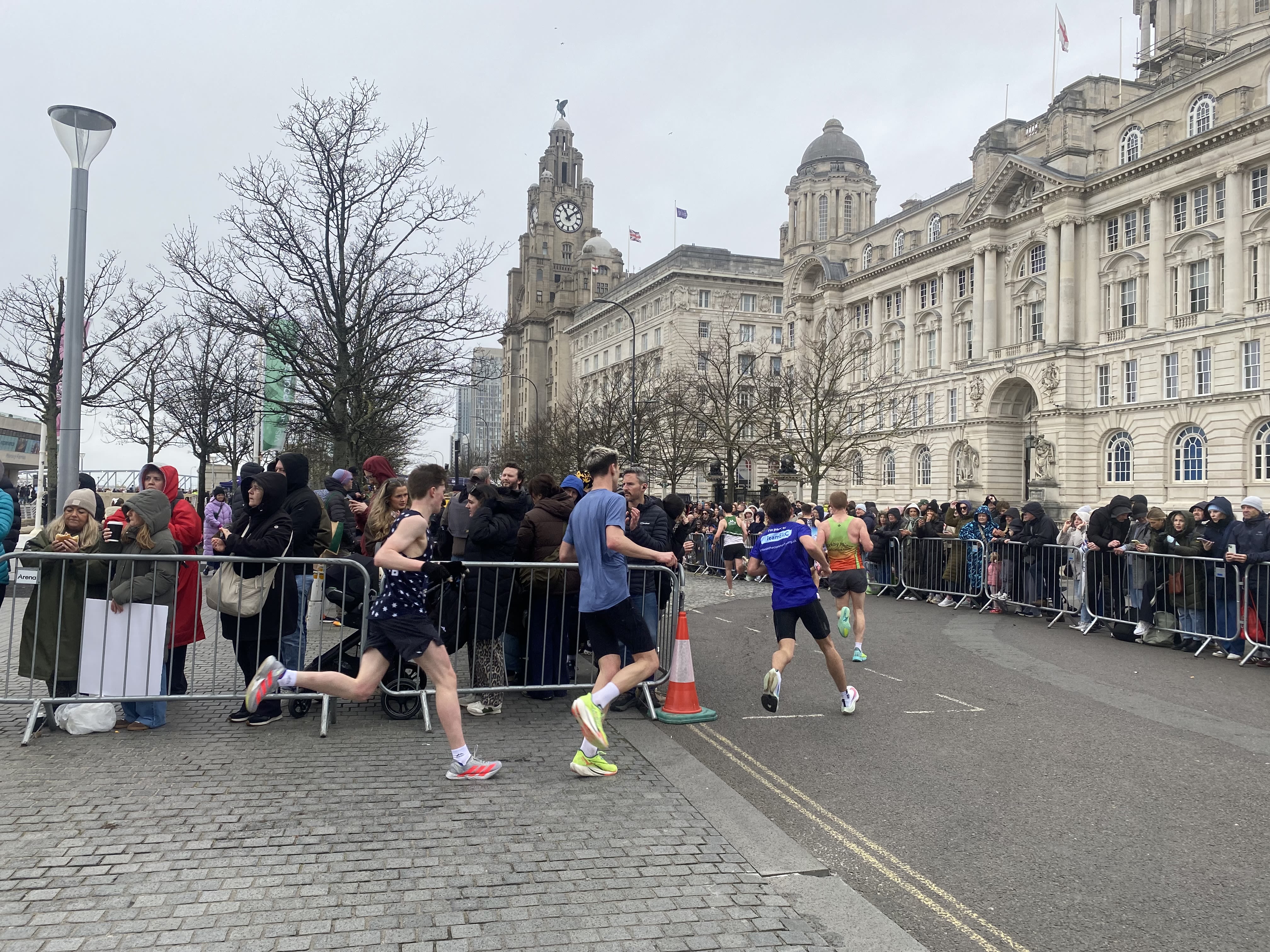
Runners at the BTR Liverpool Half Marathon 2026 (picture by Lewis Jones)
Runners at the BTR Liverpool Half Marathon 2026 (picture by Lewis Jones)
Thomas Croft who set up Mapped Fitness, in which he puts on group and one-to-one running sessions, has noticed this shift.
Croft said: “More people are getting into running but I also think more people are now more into the gym, than they were a few years ago etc, it’s more of case of people are now more active.
“I train a lot of women but as a male I do attract more males from a coaching point of view. My adult sessions aged are completed mixed, but average age mid 20’s.”
So, with this why has the Liverpool marathon not made a comeback?
Rothwell said: “I think it's all about timing. If we have this conversation in three or four, five years time, we might well find we've got one because the time is right.
“At the minute we're coming to the cusp of peak interest. So how long can you maintain that peak before it starts to end? It's about timing and assessing and looking at, what do people want, what do runners want.

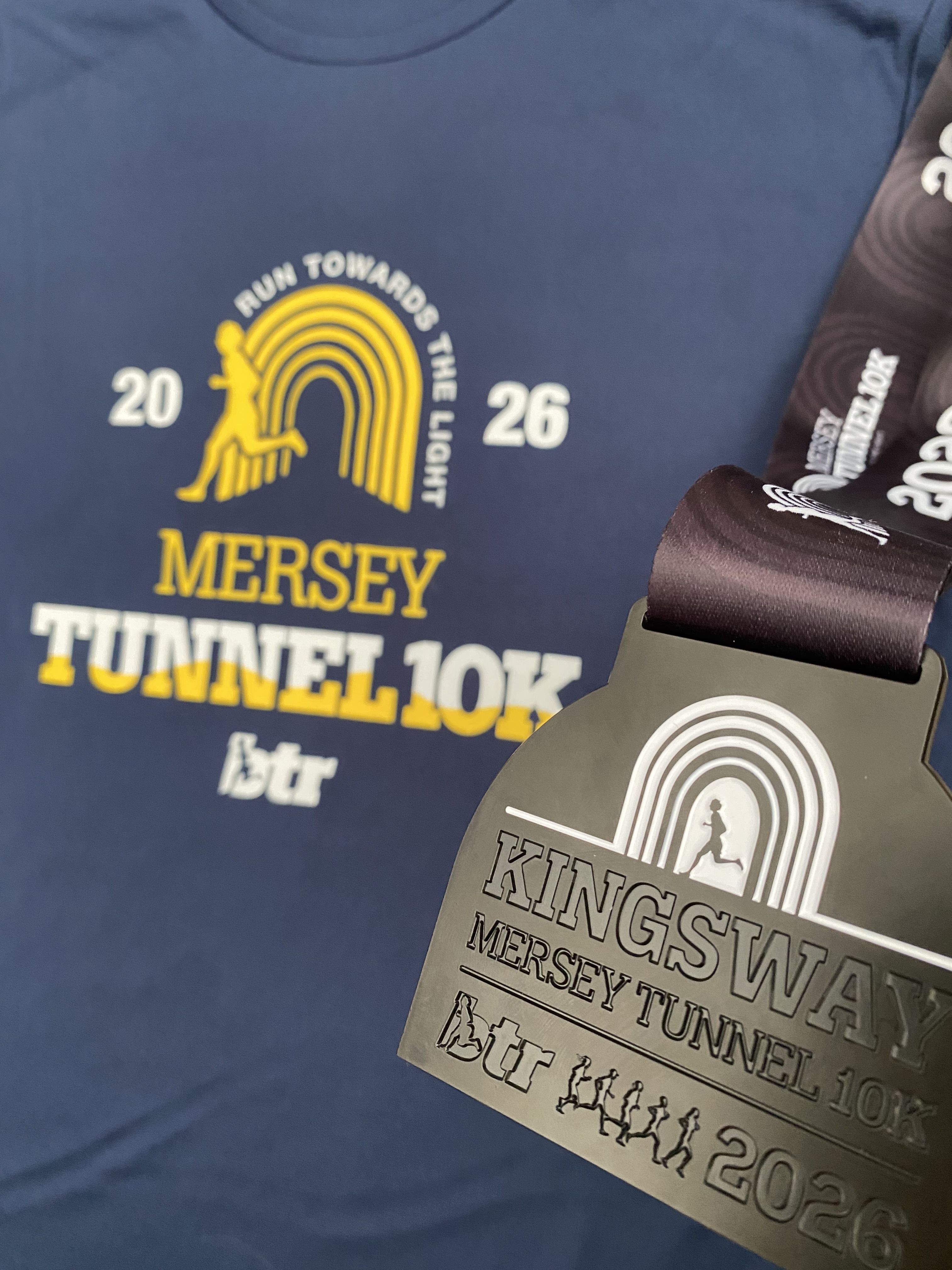
Mersey Tunnel 10km 2026 medal and T-shirt (picture by Lewis Jones)
Mersey Tunnel 10km 2026 medal and T-shirt (picture by Lewis Jones)
 Built with Shorthand