Tackling Taboo
Discussing the tough topics in women's sport

How do media outlets affect the perception of female sport fans?
Recently, there have been controversies regarding women's place in sports media, Lucy King sat down with Rihannon Harrison and Lilly Paterson, who are a part of a female fan community group, to find out more.
The type of content media outlets publish online can affect how diverse the audience is, but how detrimental can a poor understanding of women and girls be for these corporations?
The normality of women and girls being professional athletes is embedded in today’s conversations surrounding sport.
It would be difficult to have a conversation about the Football European Championships without the mention of the Lionesses' back-to-back victories.
And it is the job of media outlets to encourage this positivity towards women involved in sport by showing a good understanding of their female audience.
Some question whether there is a need for specialised social media pages for women and girls who follow sport, in particular football, to help with this.
But Operations Assistant at Chelmsford City Football Club, Rihannon Harrison believes that there is no need for this at all.
She said: “I think there's a way of going about it.
“It's definitely something that needs to be addressed.
“And I think any woman that supports football wants to be more represented in the media, and they could do that through their existing channels.”
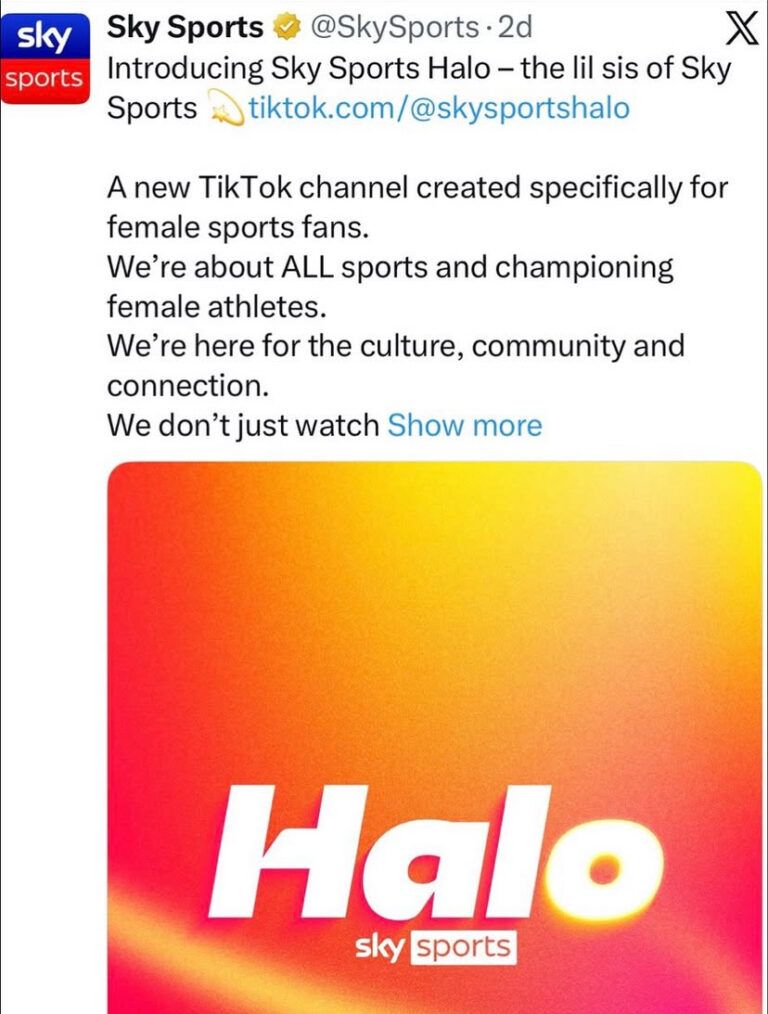
In November 2025, Sky Sports launched their TikTok channel ‘Halo’.
In their own words, Halo was designed to be ‘the lil sis of Sky Sports’ and provide a space on the internet specifically for female sports fans.
This new venture appeared as a way where a huge media corporation can champion women’s sport and inspire their female audience.
But it was the execution that brought a barrage of backlash.
The general motive behind the content was to make sport relatable for young women and girls.
But the videos were received by many as patronising, with some female fans feeling like they are being shoved into a box of stereotypical ‘girly’ colours and interests.
Rugby League coach Lilly Paterson questioned Sky’s understanding of its female audience.
She said: “Why have we been dumbed down by pink themes?
“Not everyone likes pink, not everyone likes glitter, not everyone wants that.
“Why are we going backwards and how is this actually gone through this many people?
“How has it actually come out?”
The contents outlook on women and girls also came under fire with a focus on trendy food and activities followed by young women and girls across social media.
Rihannon believes the diverse female audience that follow sport deserve better treatment from Sky.
She said: “There's a way of incorporating women into sports media and they just went in a complete one way about it.
“We're trying to go away from the stereotypes, trying to challenge their stereotypes, and it's almost like they're just going back to putting us under that bracket of, ‘hot girl’ and matcha.
“I don’t want to feel like a tick box exercise.
“I don't relate to this, so why are you trying to say it's relatable?”
Unsurprisingly, the account only remained active for three days before the videos were deleted and Sky Sports provided an apology:
“Our intention for Halo was to create a space alongside our existing social channels for new, young, female fans. We've listened. We didn't get it right. As a result we are stopping all activity on this account. We're learning and remain as committed as ever to creating spaces where fans feel included and inspired."
This blunder begs the question: Are social media channels designated to female fans even necessary?
Or do media outlets need to make their existing platforms more inclusive for the whole audience?
With the popularity of women’s sport growing by the day and more girls being inspired to work within the sports industry, companies may need to find a way in which their entire fanbase feels seen by the content it produces.
Rihannon said: “I think it's just about finding a medium where you can target women, but you can still make a video relatable for all fans, whether they are a man or a woman.”
Female representation in sports media is important to women who want to feel seen in the sports space, but their male colleague’s effort to champion women in sport can also prove vital.
Recently, the role of men who work in and around women’s sport has also come into question, with former England international and pundit Eni Aluko suggested that fellow pundit Ian Wright was taking the place of female experts when he covered women’s football.
This brought on a wave of support for Wright, who has been consistent in championing women’s football throughout his career as a player and a TV personality.
Lilly believes that men championing women’s sport is a valuable asset to sports media.
She said: “He's so driven towards women in sport.
“Why shouldn't the men be able to promote women in sport as much as they possibly can?
“I think because he’s such a massive icon, not just in sport but in TV in general, I think him promoting it is a good thing, especially with his links with Arsenal.
“If you don't have men driving that, people won’t necessarily listen to the women.”
The more that women being involved in sport media becomes a regular feature in the media and in people’s day-to-day conversations, the more light can be shed on the difficulties women face when playing sport.



Screenshot from Halo TikTok
Screenshot from Halo TikTok

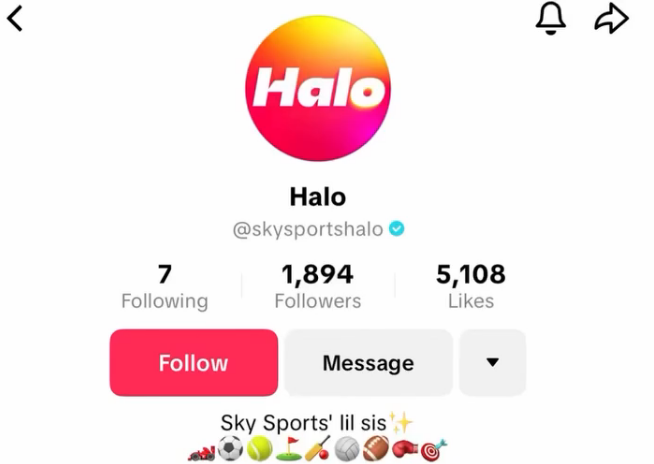




Photo credit: Creative commons, James Boyes
Photo credit: Creative commons, James Boyes
Why should we care about sports bras?

Sports bras can feel like one of those ‘taboo’ topics when it comes to discussing women’s sports equipment. Lucy King spoke to campaigner, Rosie Halsall and skaters from Liverpool Roller Birds to shed light on the inside track of sports equipment.
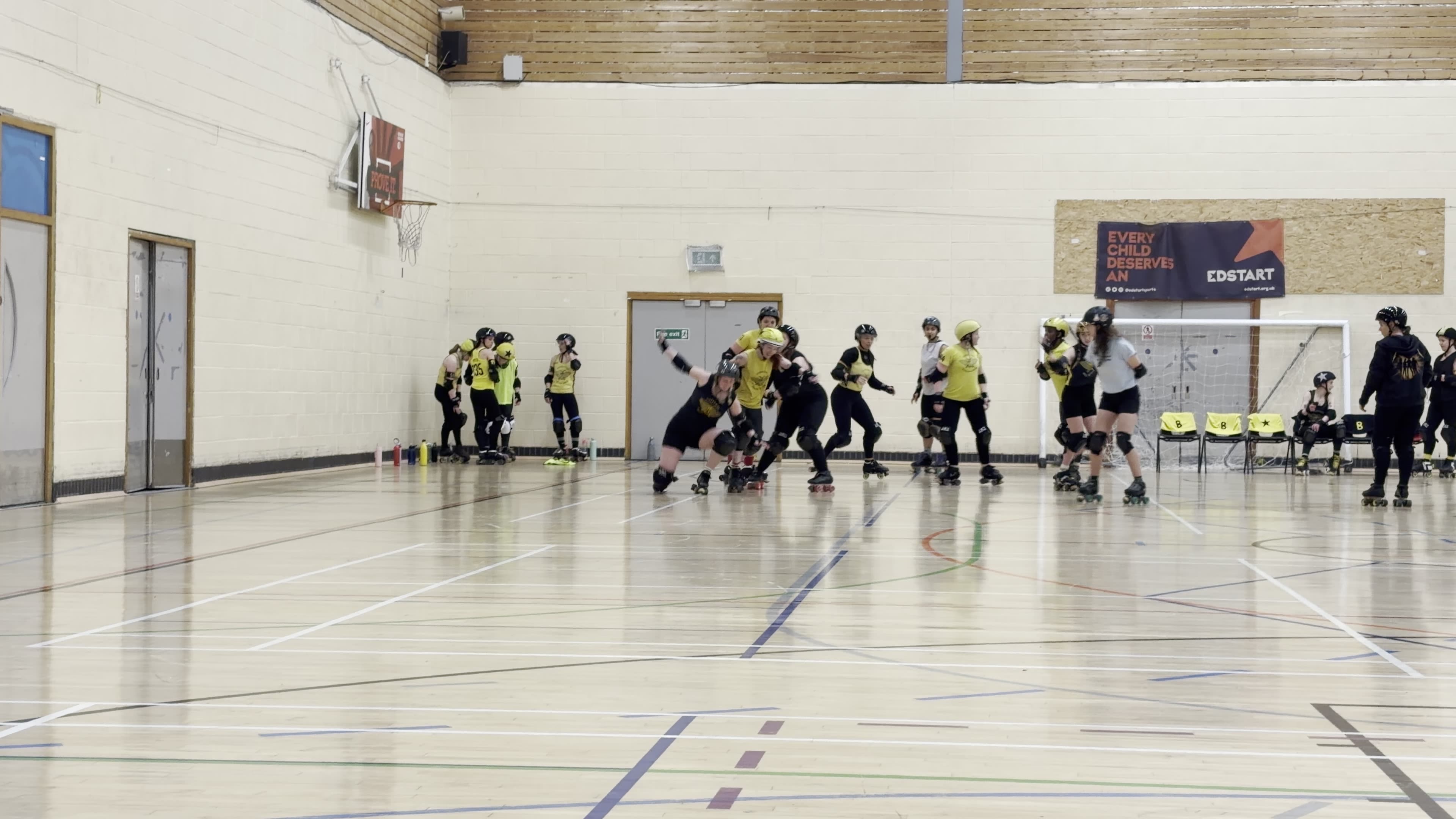
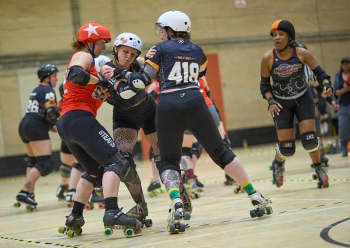
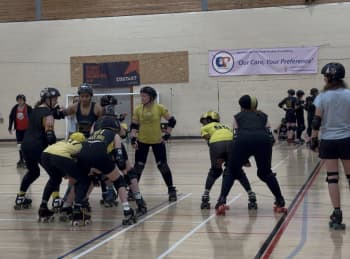
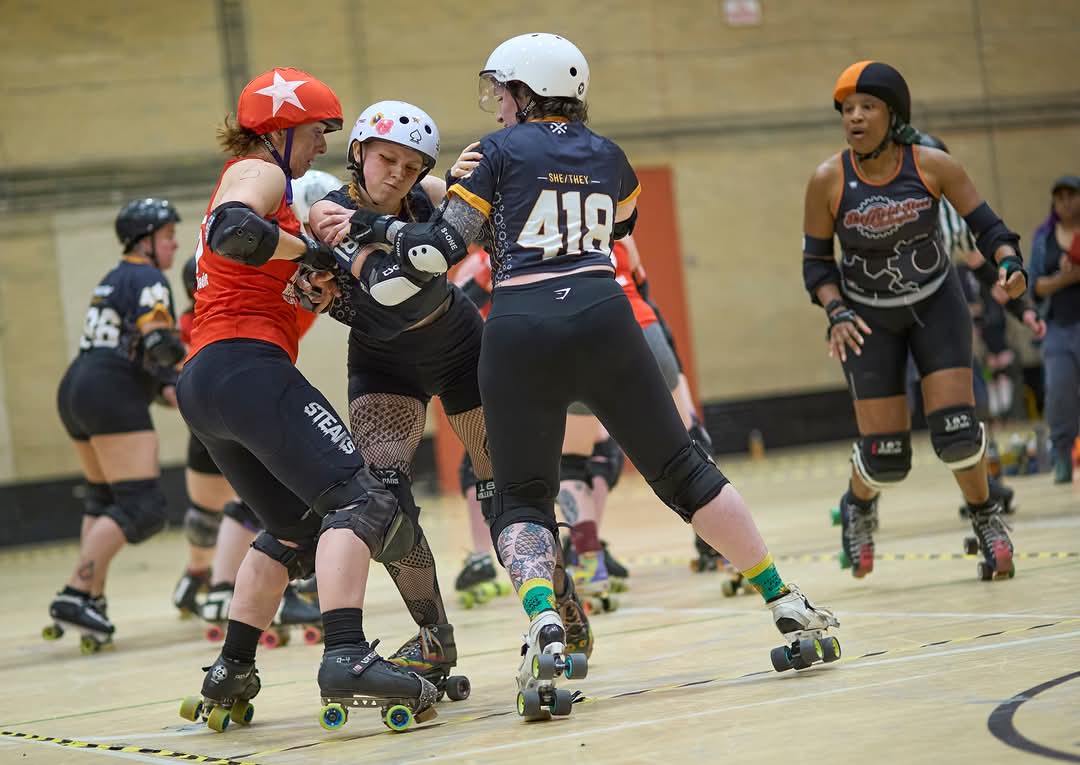
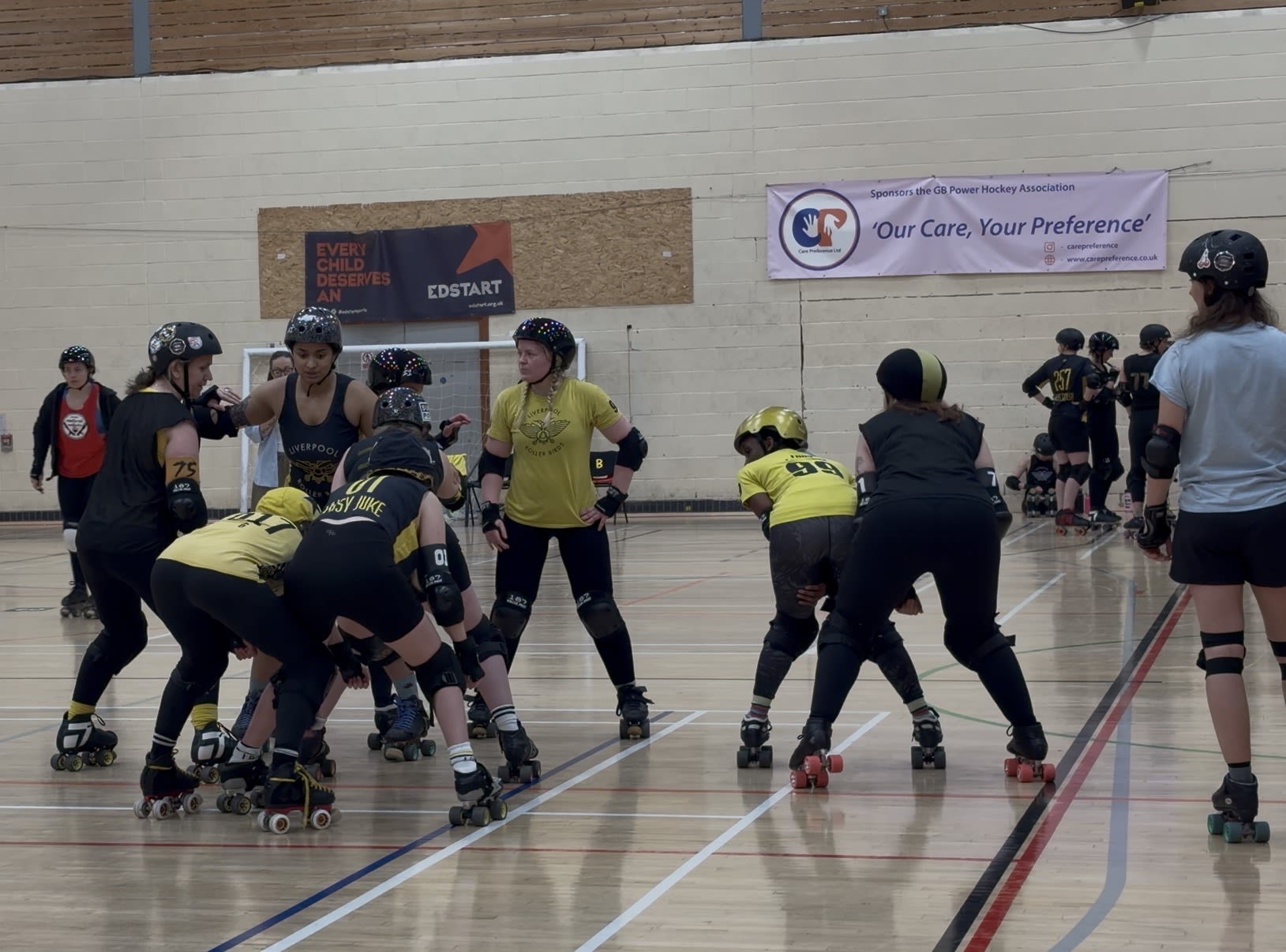
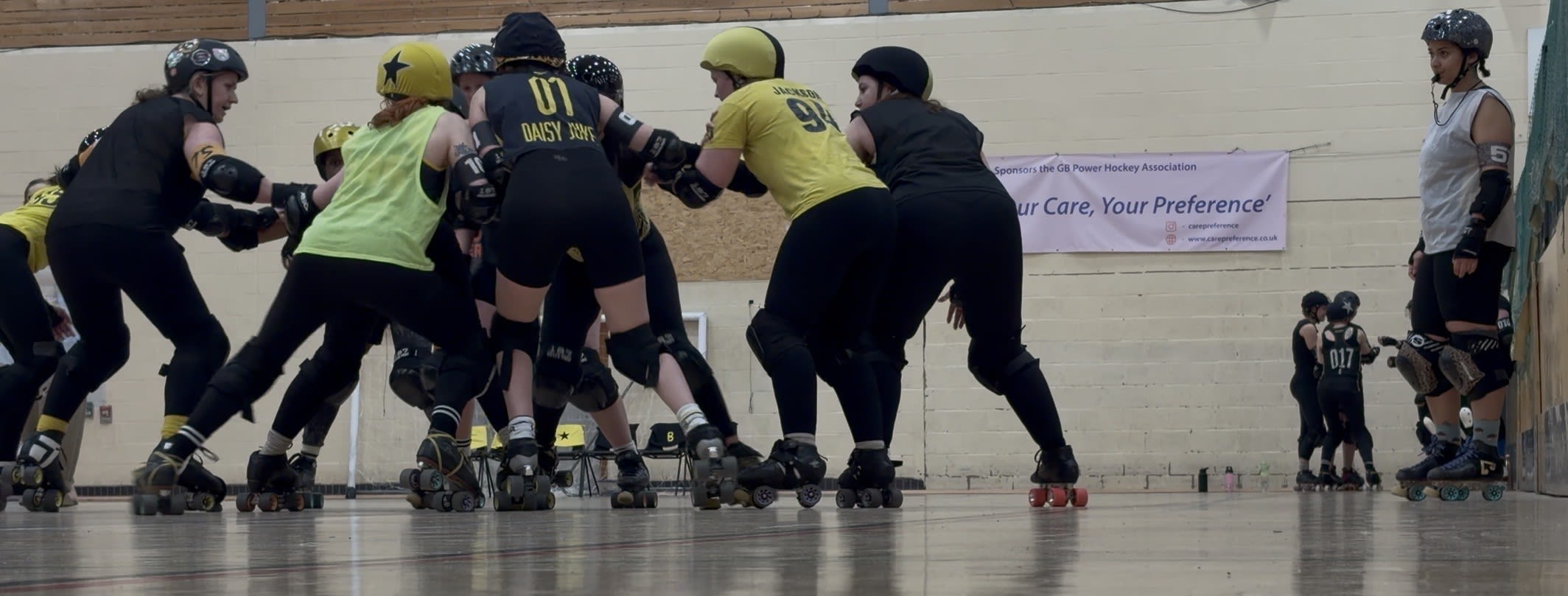
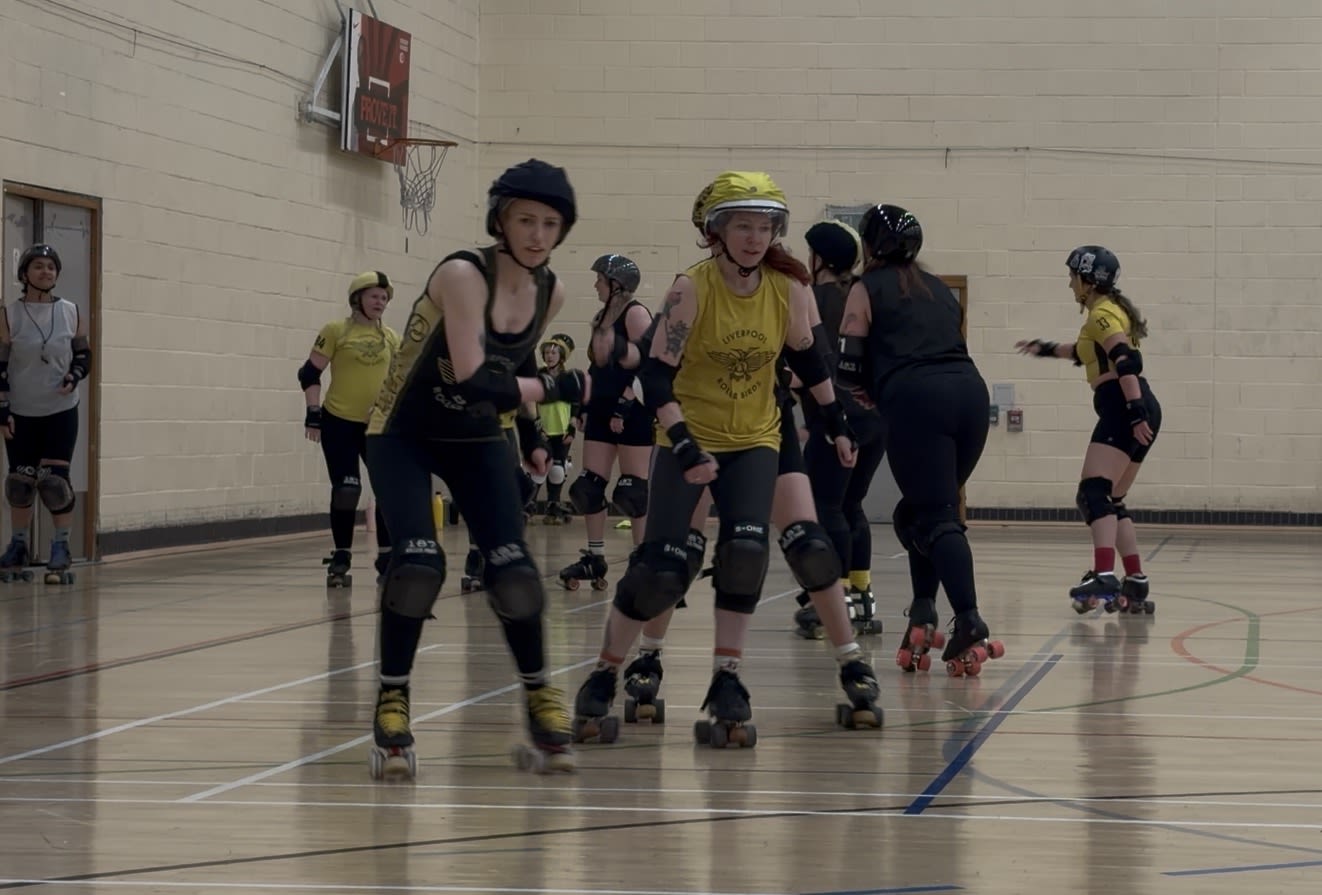
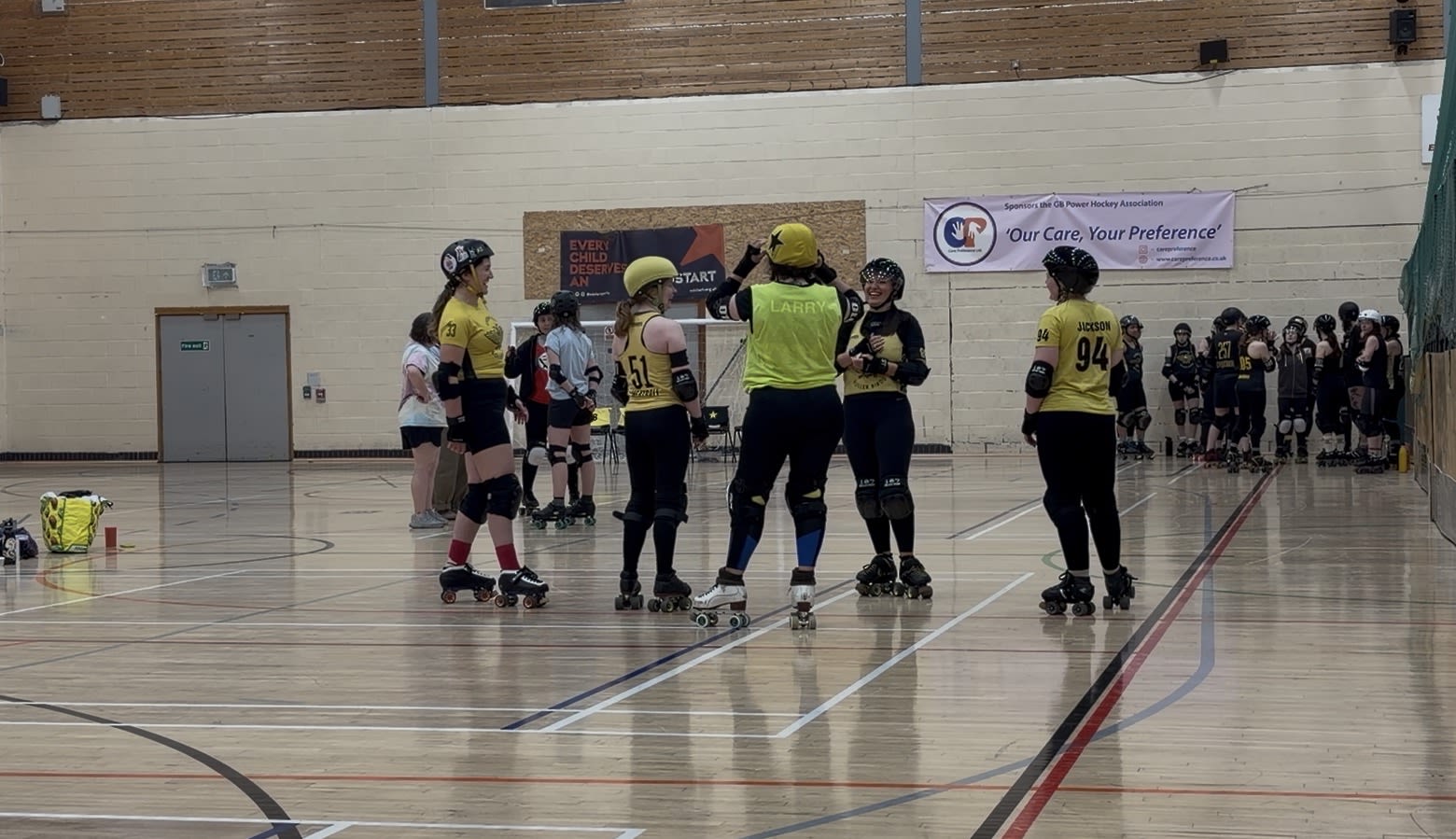
Roller Derby is a full contact sport dominated by women and girls, and with the object for players to use their bodies to push past the opponent, meaning that sports bras are essential to both safety and comfortability.
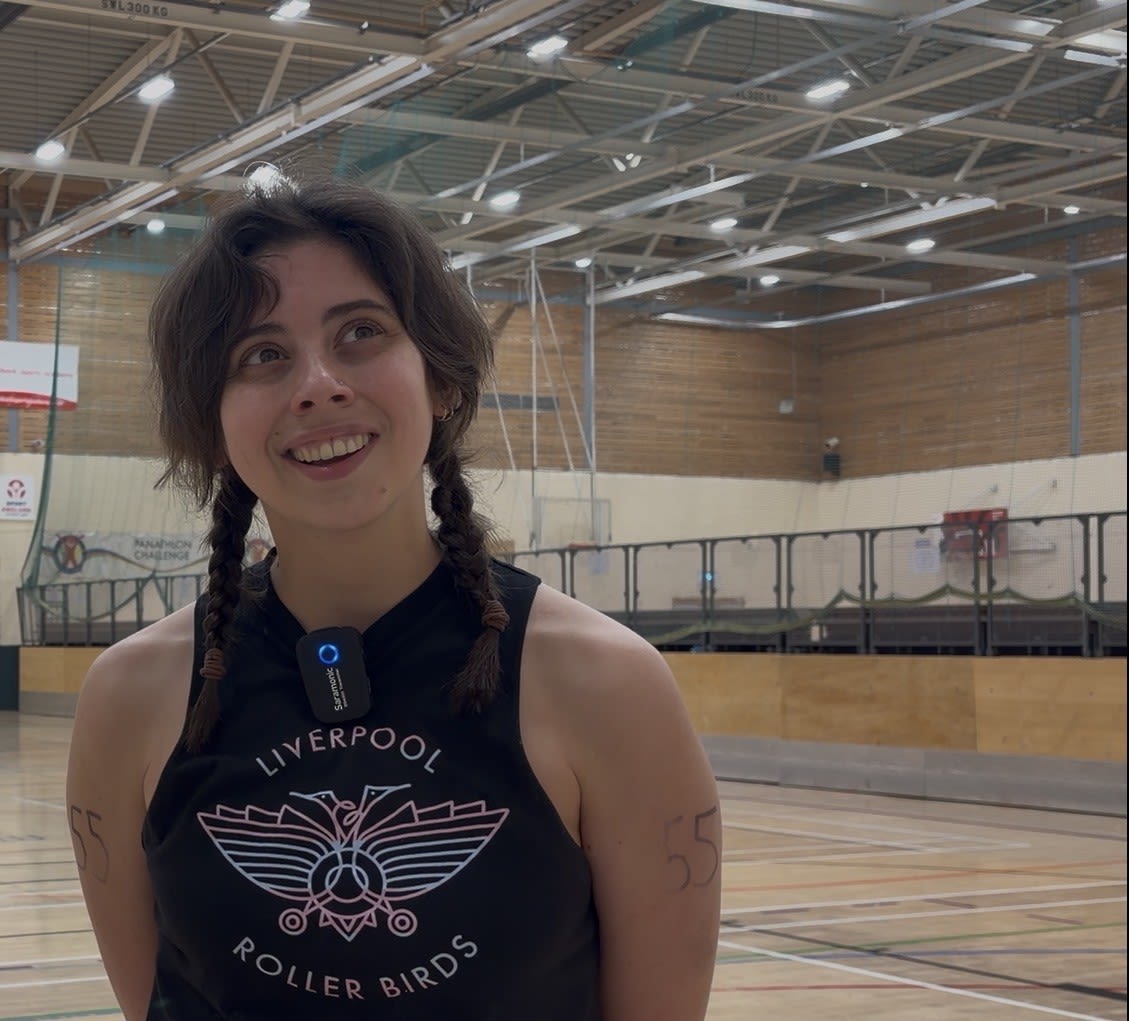
Rosie Halsall (pictured left) is an 18-year-old skater from Sheffield who has launched a campaign to provide secondary school girls with free sports bras and professional fittings.
The thought of girls going without proper sports equipment due to a big price tag or a lack of knowledge is what pushed Rosie to launch the campaign.
She said: “Often if you look at media coverage, girls and women are so ignored so I think it's important to show a clear attempt to make sure girls have a space.
“And sports bras are such an essential piece of kit.
“The policy is based around being able to provide free sports bras for all girls in secondary school across the UK, and it was not just about trying to ensure girls partake in sport just like boys, but it was also that your social economic background shouldn't impact that in any way.
“We need to ensure that girls are healthy at a young age.”
In a survey, 87% of non-athlete women reported that they had never been professionally fitted for a sports bra.
And even when it came to elite sport, 83% of female athletes at the Olympics and Paralympics were found to wear improperly fitted bras.
"It keeps them strapped up."
Skaters at Liverpool Roller Birds made it apparent how much they value having a good-fitting sports bra.
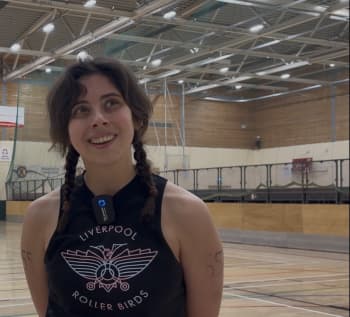
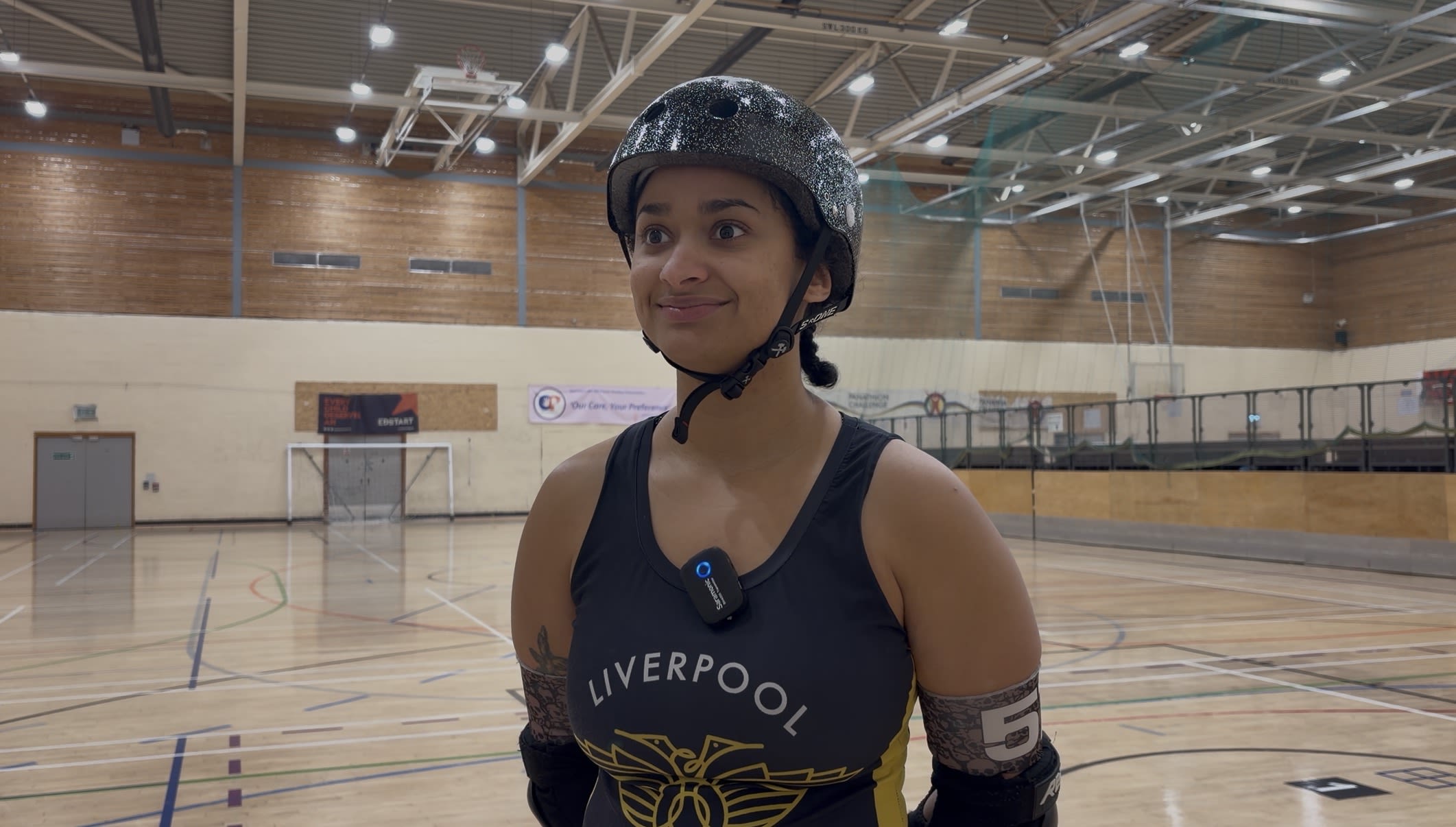
I’ah (pictured left) who is a derby skater of three years, feels as though her sport wouldn’t be accessible to her without a good-quality sports bra.
She said: “I don't think I could play sport without it really.
“It just helps you feel comfortable as well and with a contact sport like this, it helps you protect the sensitive areas as well.”
Rosie’s campaign has been inspired by many different aspects of her personal life including her love for roller derby.
And the inaccessibility of contact sport for her as a teenager was a huge driving factor in why she wants to see the next generation of schoolgirls playing whichever sport they like.
She said: “The amount of sport that I did as a kid and continue to do, definitely influenced it.
“I was so lucky with roller derby because it was so inclusive.
“I have three brothers and it was amazing to have the same opportunities as them in this sport.
“When I was in school, I didn't have at all the same opportunities to play rugby.
“I tried to join the rugby team, and it didn't work out, because there weren't any girls playing.
“I wish more girls had some of the great opportunities I had.”
A survey suggests that a properly fitted sports bra can reduce breast movement by 59% and decrease pain in 85% of areas.
But importance of sports bras goes beyond pain prevention, as roller derby skater Skye (pictured left) explained how wearing a sports bra has helped her find her identity.
She said: “I've got a complicated relationship with gender.
“So, sports bras for me as a teenager were a gateway to binders (tight garments used to compress the chest) and feeling more comfortable with my body and my gender, allowing me to feel genderqueer in some way.”
Due to it being one of few female-dominated sports in the UK, roller derby provides a highly valued space for players that Rosie cherishes.
She said: “Being surrounded by so many inspirational women in roller derby meant I had so many good role models, and I had amazing opportunities.
“It's such a shame that in society so many girls don't have that.
“It's a great sport that is so unique because it's dominated by women.
“It started as a woman's sport, and only recently really have men's teams started to develop.
“So, it's a really inclusive space.”
Rosie’s policy campaign is currently in its early stages.
But with the plan to pilot the idea in Sheffield, Rosie is determined to expand the policy nationwide.
She said: “Hopefully pulling it into a government policy and moving away from having to rely on grants or fundraising and actually having this as a thing that government supports as a public health policy in a way that would be the dream end goal.”
For a campaign that Rosie wants to expand to national scale, it is important for a wide range of the public to be on board.
The response to the campaign has been a boost for Rosie, as she has received kind words from a range of demographics.
She said: “I have had a positive response from older women to the campaign, just about how they haven't had anything like that, so it's good for them to be able to see that the younger generations of girls are getting supported and getting encouraged.
“Talking to my grandmothers, they were just saying it's a brilliant idea that they hadn't even thought about and they said: ‘why isn't this a thing already?’”
Roller Bird Ani also shared her thoughts on the campaign.
She said: “I think that it’s a great idea.
“I've tried running and it's really painful if you don't have the right equipment.
“I think that's great because (sports bras) help more with the pain.
“It's about feeling like safe and not self-conscious.”
A survey that focussed on 504 female athletes across 46 different sports found that participants in contact sports reported a significantly greater number of breast injuries (47.3%) than in non-contact sports (33.7%).
This shows how vital protective gear is to derby skaters.
Alongside sports bras, it is also recommended for players to wear a Stake Vest, as it is designed to prevent injury.
But these sell for upwards of £70, weighing skaters down with additional costs to their already expensive kit.
Altogether, derby skaters can spend hundreds just on kit, meaning the sport may not be accessible to everyone.
But with campaigns like Rosie’s, there is now more hope for better awareness of women’s kit issues.





The women's football boot debate
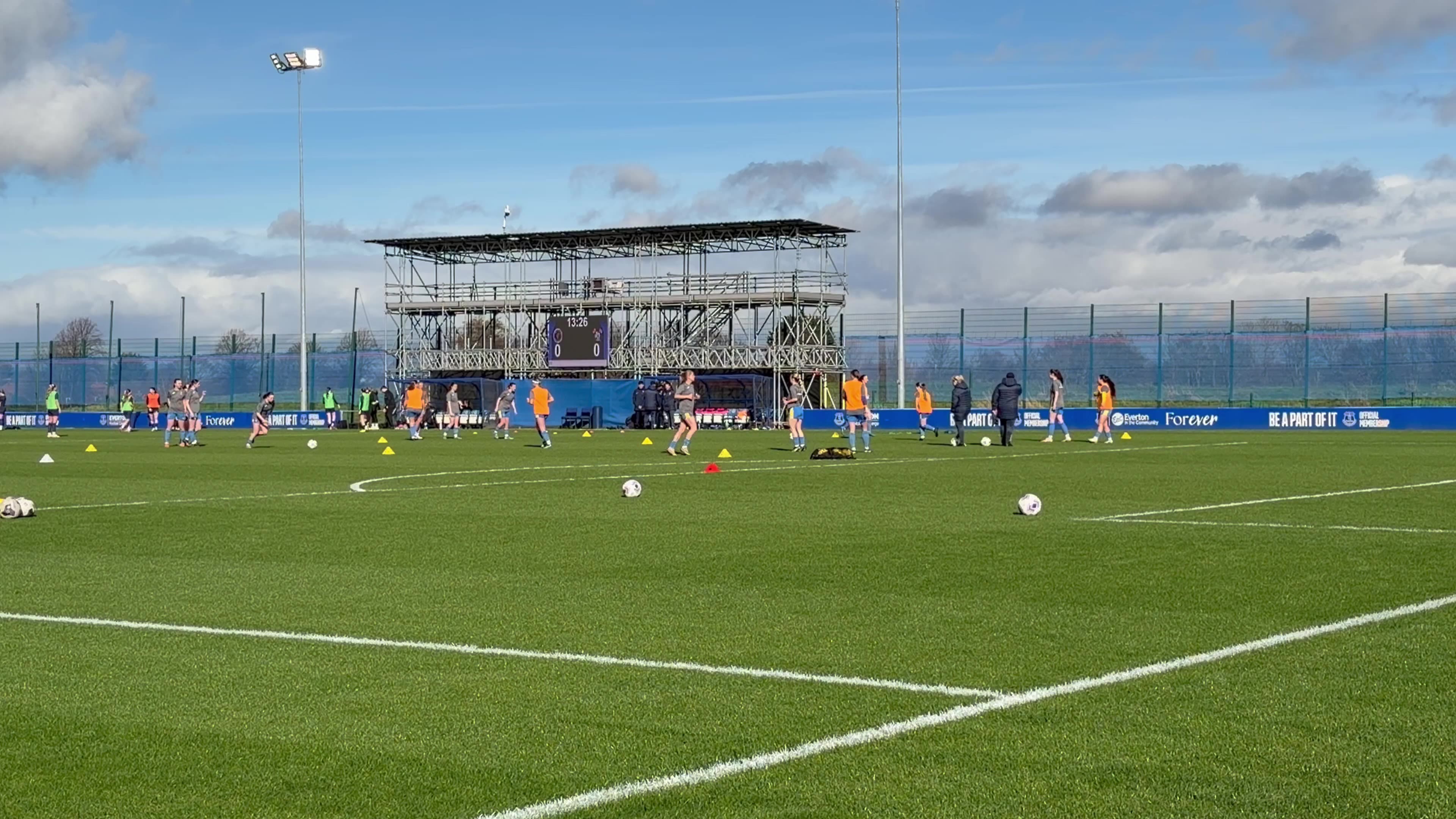

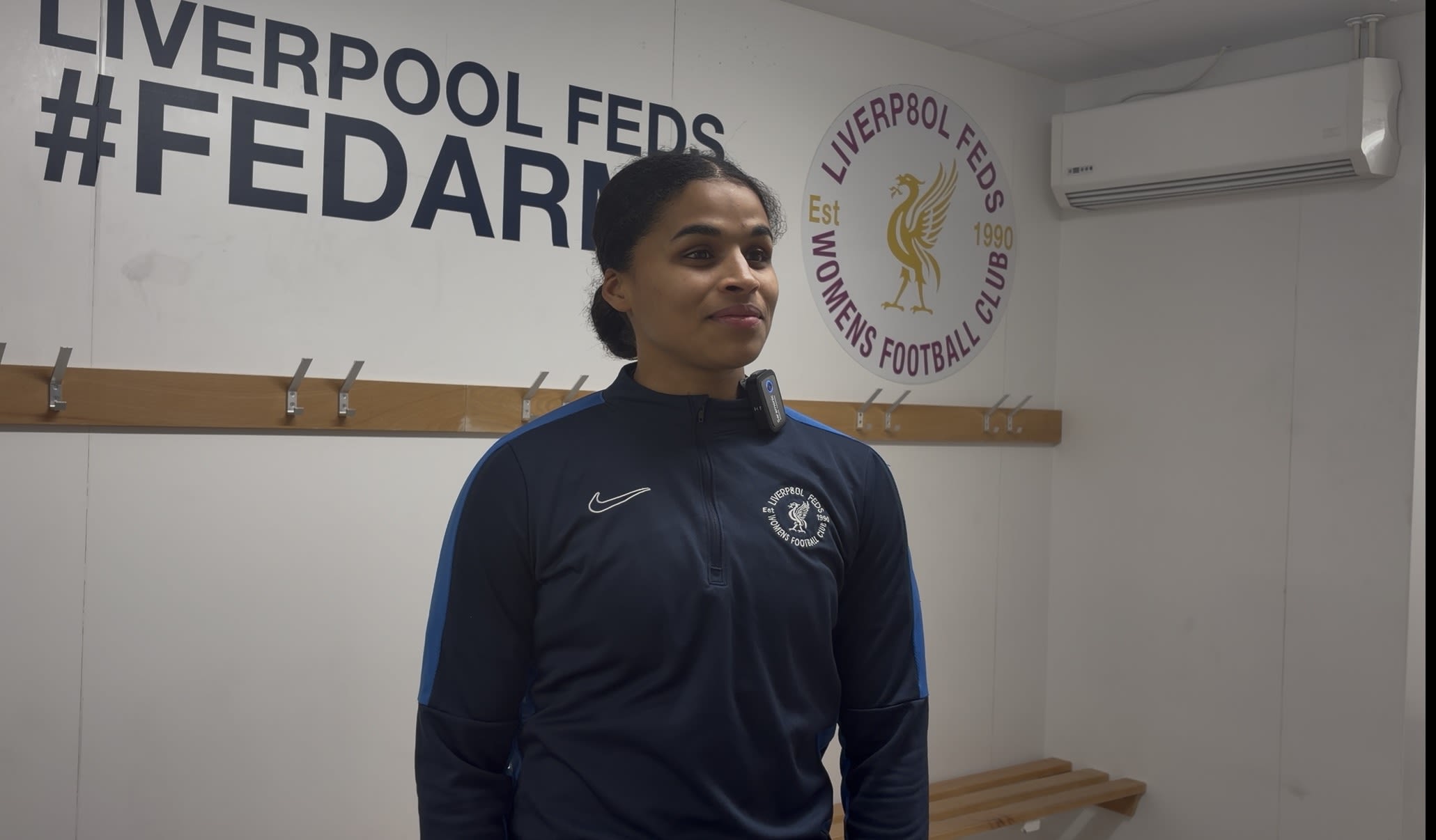
The right footwear can be essential for female footballers’ comfort, but companies designing women-specific boots is a relatively new concept. Lucy King spoke to Ida Sport’s Product Research & Development lead Emelia Funnell and Liverpool Feds players, Henna Butcher and Emma Johnson to understand their varied opinions.
Historically, female football boots and women’s shoes in general have been manufactured using research and data from men’s feet.
Ida Sport is a company that designs female-specific sports equipment, and they began to develop boots and shoes when they recognised a gap in the market for female running trainers.
Emelia has been working with the company for five years and has experienced a lack of options when shopping for women’s football kit in her personal life.
She said: “I was looking for the women's section for some football kit, and they led me to this tiny rack, and we couldn’t believe that was it.
“Walking into a store and being able to see a brand that is designed and developed for your needs and seeing something that's designed for you, may make you realise that you belong in that sport.”
A study by Science Insights found that the higher rate in foot injury for women was associated with a lower bone mineral density, one of many reasons why the correct boot is essential for female players.
There are only a few boots in the market that are advertised as a women’s boot, and Ida even claim them to be unsuitable.
Due to this, the company launched their first boot design in 2020, a project Emelia has been a part of since the start.
She said: “If you asked a woman what size they're wearing in football boots, especially in the US, a lot of them would normally know their men's size because they've only bought men's football boots.
“So that's kind of why Ida popped up, was to tackle that.
“Also, the fact that a lot of women have smaller feet, so they were having to buy kids football boots instead because the sizes weren't being offered.”
The female foot is not simply a shrunken down version of a male foot and there are many differences between the biomechanics of both.
This includes women having a shallower instep, a more flexible arch and a shorter and more curved lateral side of the foot than men’s.
Emelia said: “We're able to leverage their state-of-the-art kind of bio-mechanical testing equipment and facilities to really gather that rich feedback and data from athletes in the lab.
“So that's been great and we also work with partners that test traction on fields, so we're able to mechanically test the traction resulting traction from our sore plates and our boots on various different types of surfaces, whether it be an artificial surface, a natural grass, a hybrid surface.”
Ida are also involved in government funded projects and help from academics from various universities in the UK and USA.
“It’s crazy, women are such a big part of the sports market.”
However, Liverpool Feds midfielder Henna feels too unfamiliar with the research and development of women’s boots to make an informed decision on purchasing them.
She said: “I've always worn tempos and I don't know if they have women's ones or not.
“I know that they came out relatively recently and I feel like I've considered getting them maybe when they've been out for longer or maybe have more research, but I’m still unsure.”
In relation to sport activity, women tend to experience greater loading on the outer side of the foot, which has been connected with the higher chance of suffering from bunions, corns and plantar fasciitis (Inflammation of lower leg tissue, caused by excessive stress on the feet.)
But this information is not found easily and articles or papers to explain the science behind women’s boots are few and far between.
“I've never worn women's football boots before.”
Henna’s teammate Emma also shared how she felt about wearing female-specific boots.
She said: “I know there's been an introduction of women's boots, but I think with the expense of them and probably a lot more, there's not as many options.
“I've never really looked specifically at women's boots, so it has just been men's for me.”
But Ida does have support from across the pond, with Utah Royal player Courtney Brown and Chicago’s Sam Angel both wearing the companies boots at a professional level.
Whilst the exposure of a women-only sportswear brand could be inspirational for many younger girls in the USA, the smaller and newer brand is finding difficulty finding their place in the Women’s Super League.
Emelia said: “We're still trying to access the WSL a little bit more.
“I think with the growth of the women's game sponsorship is growing as well, and the need to get these top, high calibre players is also growing.
“So that is a limitation for a smaller brand like us trying to compete with some of these other bigger brands.”
There is still a lack of physical presence for women’s football boots in UK stores, but female athletes have a lot to look forward to as there is a continual growth in research into women’s bodies.
Ida and other sportswear brands are moving forward in their efforts to make kit accessible, safe and comfortable.
Emelia said: “We are continuing to refine our products and based on our customer feedback.
“I spend a lot of time the data of foot scanning and connecting that with customer feedback and player feedback to ensure that the boots fit is perfect.
“We're in a really good space and we've launched multiple families of cleats.
“We also just launched our newest Speed family, and we've learned a lot from that as well.”
Despite research still being in relatively early stages, Feds player, Emma has faith in the fact that women-specific boots will have a healthy impact on women’s sport.
She said: “Seeing the women wear female specific boots, the younger girls coming up are going to see that and they're going to ask their parents, ‘oh can we go and buy these boots?’
“So I think the introduction and competition across brands means everyone will be doing it soon.”
The impact of injury
Rebecca's story
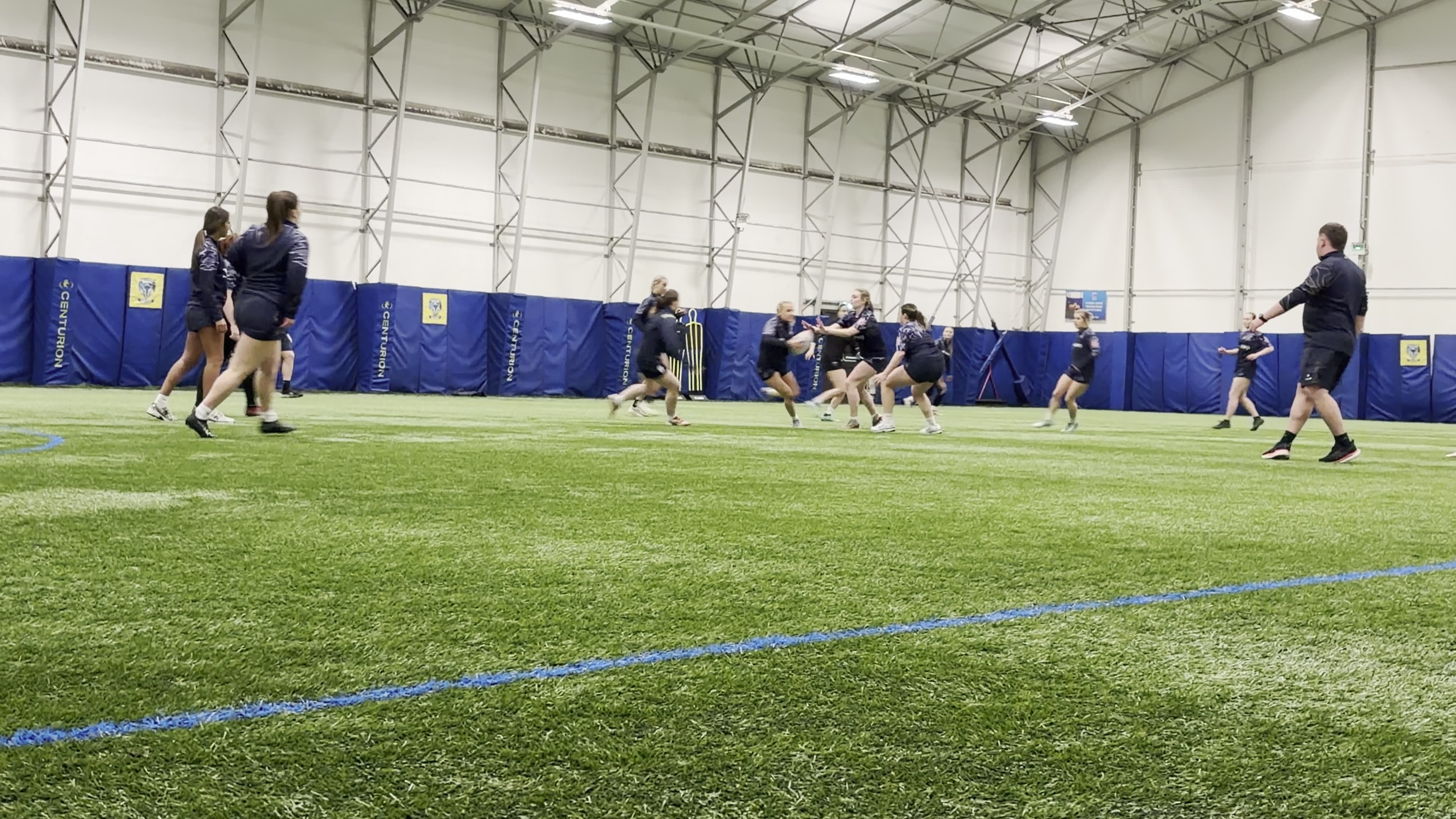

An injury can take a huge toll on the lives of female athletes outside of sport, Lucy King sat down with Warrington Wolves player Rebecca Nixon to learn how her ACL setback has impacted her mental health and working life.
The regularity of ACL injuries in women’s sport have become a hot topic since England captain Leah Williamson’s reoccurring struggle with her knees.
And the issue doesn’t stay within the walls of football, as The Premier Journal of Sports Science states that the general rupture rate for women is 3 to 6 times higher than men who play similar sports.
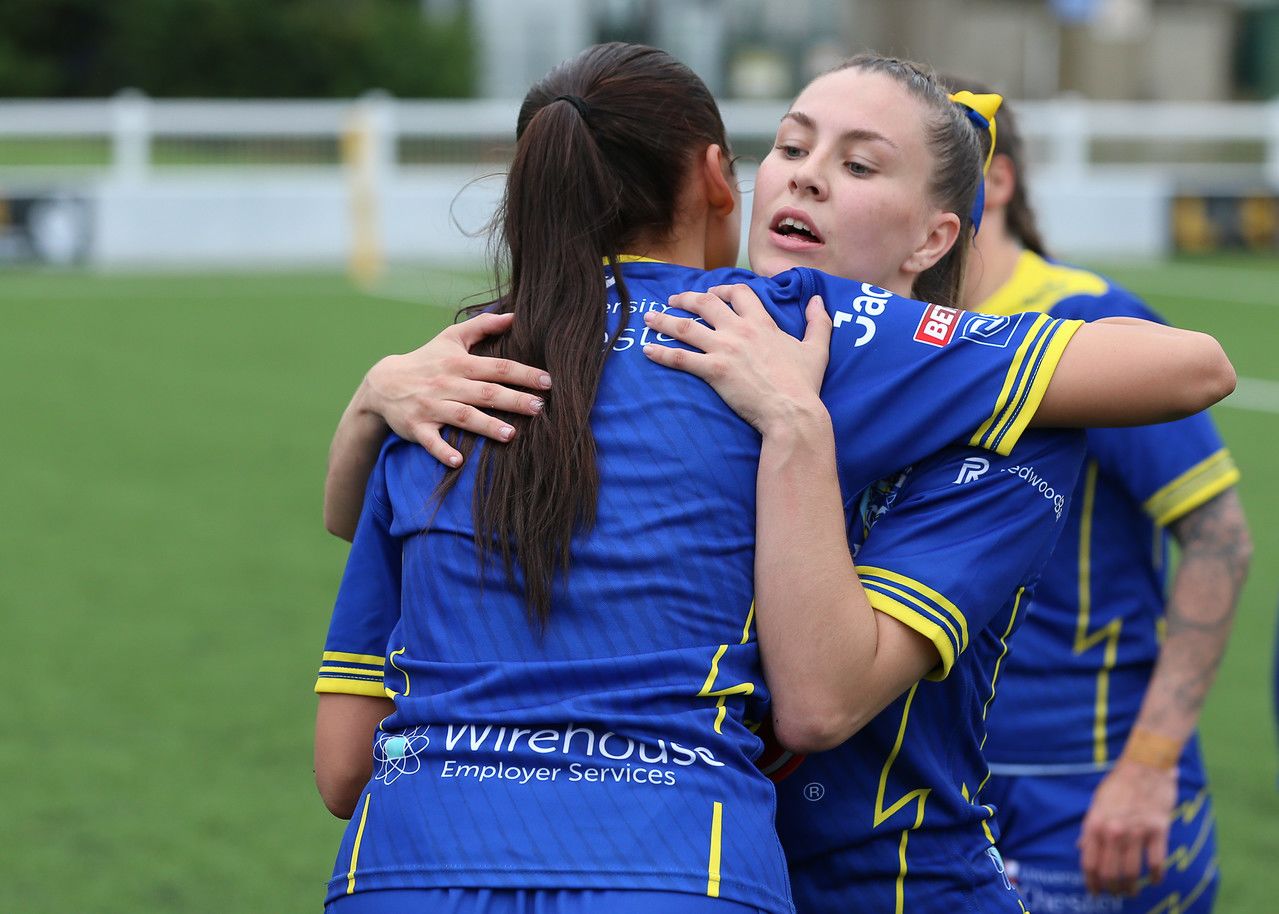
In September 2024, Nixon’s nightmare began just five minutes into the last game of the season, after getting tackled by her opponent and having another land on top of her upper leg.
The impact of the challenge left her leg hyperextended.
Reflecting on the moment it happened, Rebecca described her gut feeling as she laid on the pitch in agony.
She said: “I knew I'd done something bad, I had that horrible nauseous feeling in my tummy.
“And as soon as I did it, I'd looked at my physio and said, ‘That's an ACL.’
“It made a pop, and then it made another pop when she moved it.
“I remember sitting on the side-lines after they took me off, and they put me on crutches.
“They were trying to get me some long joggers to put over my knee, but I just couldn't because I felt too sick to move anything.”
Since her injury in September 2024, rehab has been a frustrating period for Nixon, as her 18-month wait for an operation prolonged the process even more.
A study found that it takes elite female and male athletes an average of 9-12 months to return to sport after an ACL injury.
Rebecca had to wait double that time just for her operation.
The uncertainties that surrounded the surgery have had a knock-on effect on her working life as she would be on crutches and unable to drive.
And with her sights set on a PGCE course in September, the operation delays had put that goal into question.
She said: “The last surgery date I had was November, and when it got to September that got cancelled.
“Then I didn't really know what to do with myself because there were no talks of a new surgery date, so I was just stuck.
“You don't know what to do, you’re confused.
“You don't know whether you should be doing certain things or shouldn't.
“You don't know whether to accept opportunities or not.”
After an 18-month wait, Rebecca finally had the operation on 10th of March and is now in a six-month rehab period.
Between the injury and surgery, the support that the then 21-year-old got from her club was a huge help to her mental health.
She said: “Uma the physio was great, she was always trying to find a way to keep me involved.
“I still get a text every now and then from her, and she's really helpful.
“She sent me 10s machines and just give me advice on pre and post-surgery.
“Once I've had it done, I want to go back and see them all.”
Rebecca’s story is one of many that reflect a disparity in injury rates between male and female athletes.
They play the same game, but unchangeable physical attributes in a woman’s body plays a huge part in the likelihood of injury.
Women’s wider pelvises cause an excessive tilt in the tibia (leg tendon), therefore increasing the ACL’s vulnerability to injury, due to a greater overall stress on the knee joint.
With rugby league being such a physically challenging sport, players are prone to getting injured in a similar way to Rebecca.
The 22-year-old felt as though this injury had put her independence in jeopardy.
She said: “I was in a phase where you just want to you want to be by yourself.
“You want to just get it for yourself.
“You don't want someone else telling you what you should or what we shouldn't be doing, because they don't know your body better than you know yourself.”
Research found that 52% of male athletes return to the sport they play within a year of getting ACL surgery, compared to just 39% of female athletes.
Despite these statistics, Rebecca is determined to continue her sporting journey in whatever way possible.
She said: “I do want to go and get back into sport, whether that be rugby, whether it not be, it's just a high demand in sport, and especially with ACL injuries and surgeries.
“You know, it's not very easy for us to go in and get surgery straight away.
"It's very different to how it works with the men.
“So, I’ll take my time and when I'm ready to go back to rugby, I'll go back to rugby.
“If I'm not ready, I'll try something else, because I don't think I'll stop doing sport.”
An Anterior Cruciate Ligament (ACL) injury is a partial of complete tear, a stretched ligament or a detachment of a ligament from the bone in the knee.

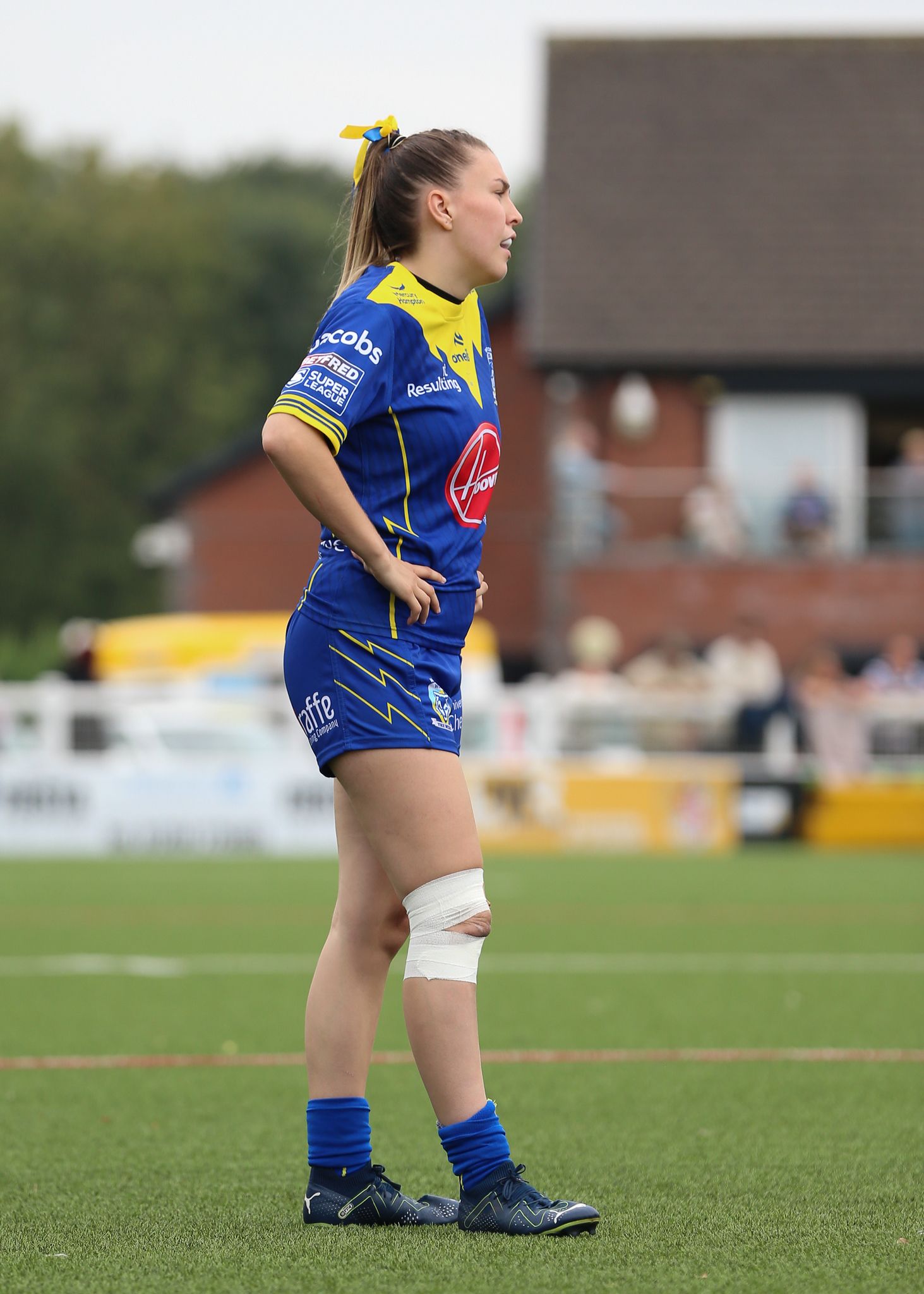
Photo credit: John Baldwin
Photo credit: John Baldwin
"I felt stuck."
“I'll forever be in sport.”

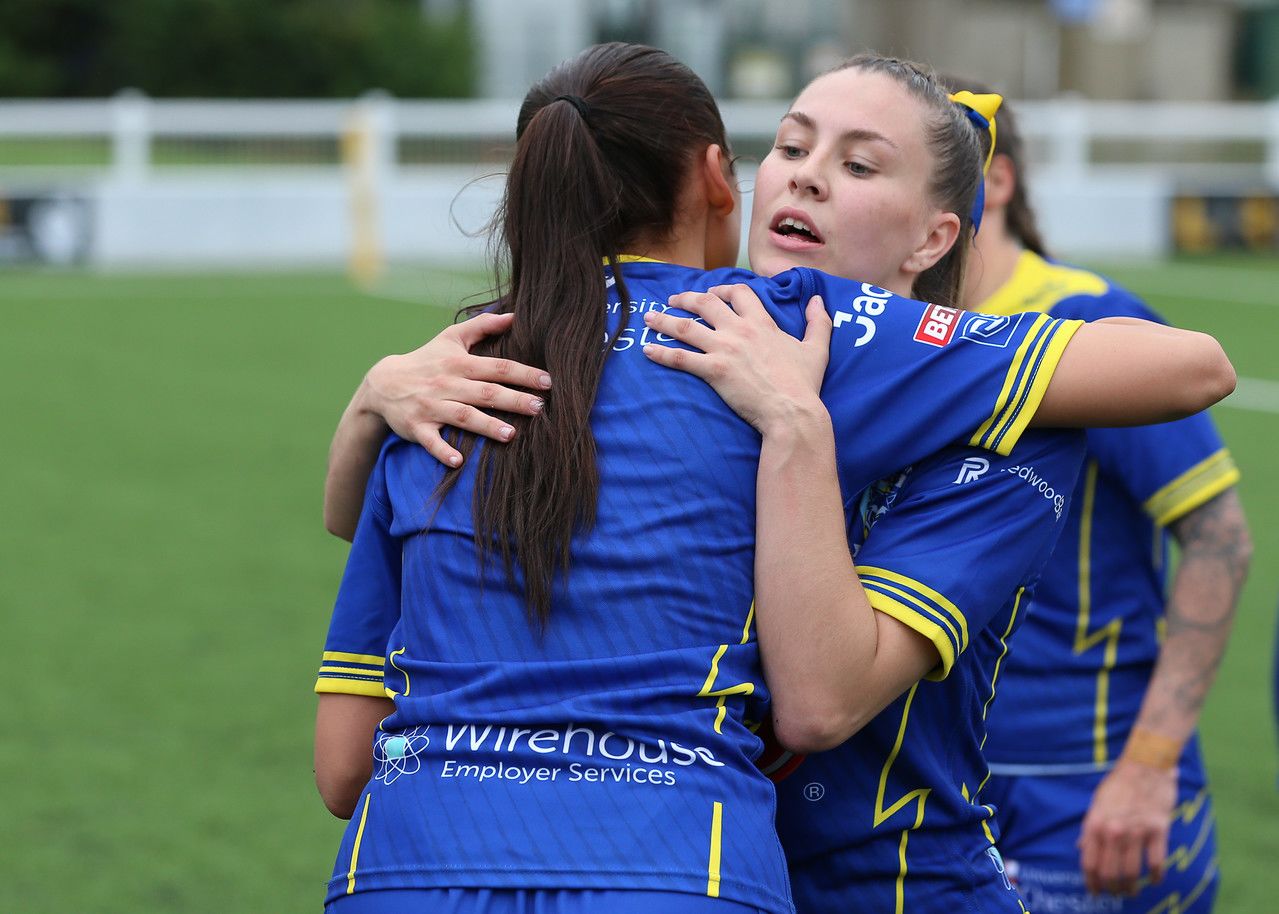
Photo credit: John Baldwin
Photo credit: John Baldwin
Playing against the odds
Age is just a number
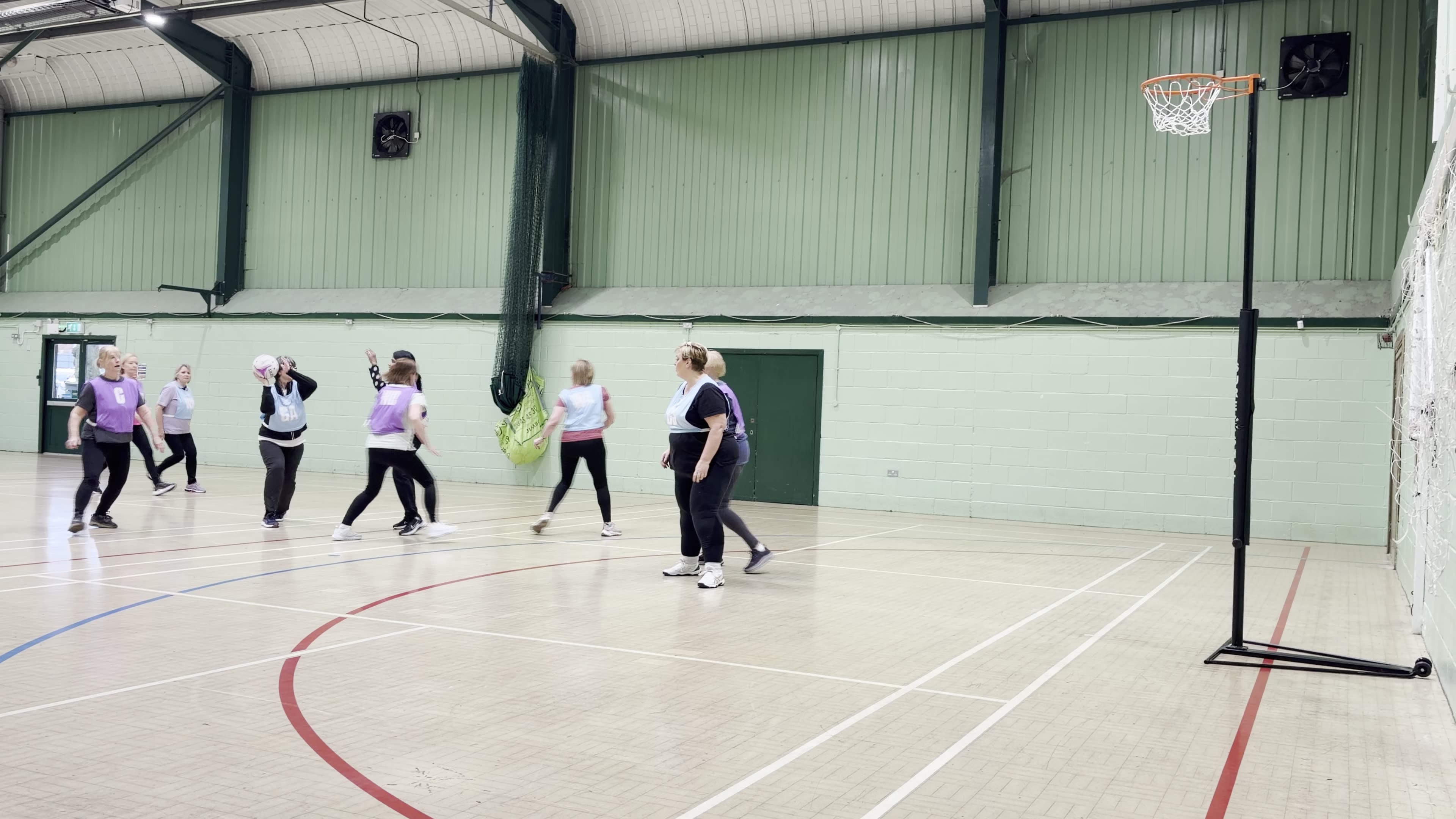

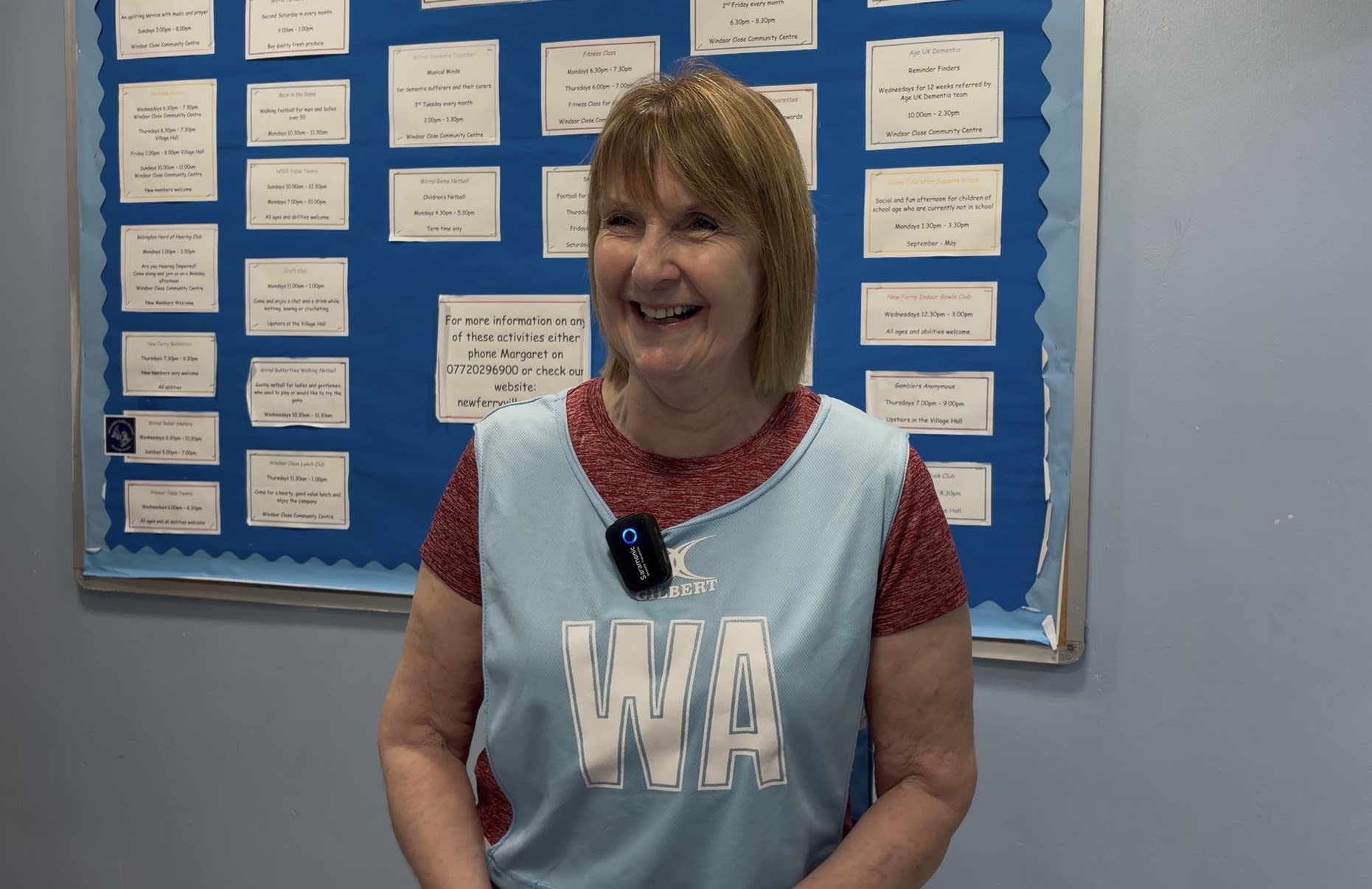
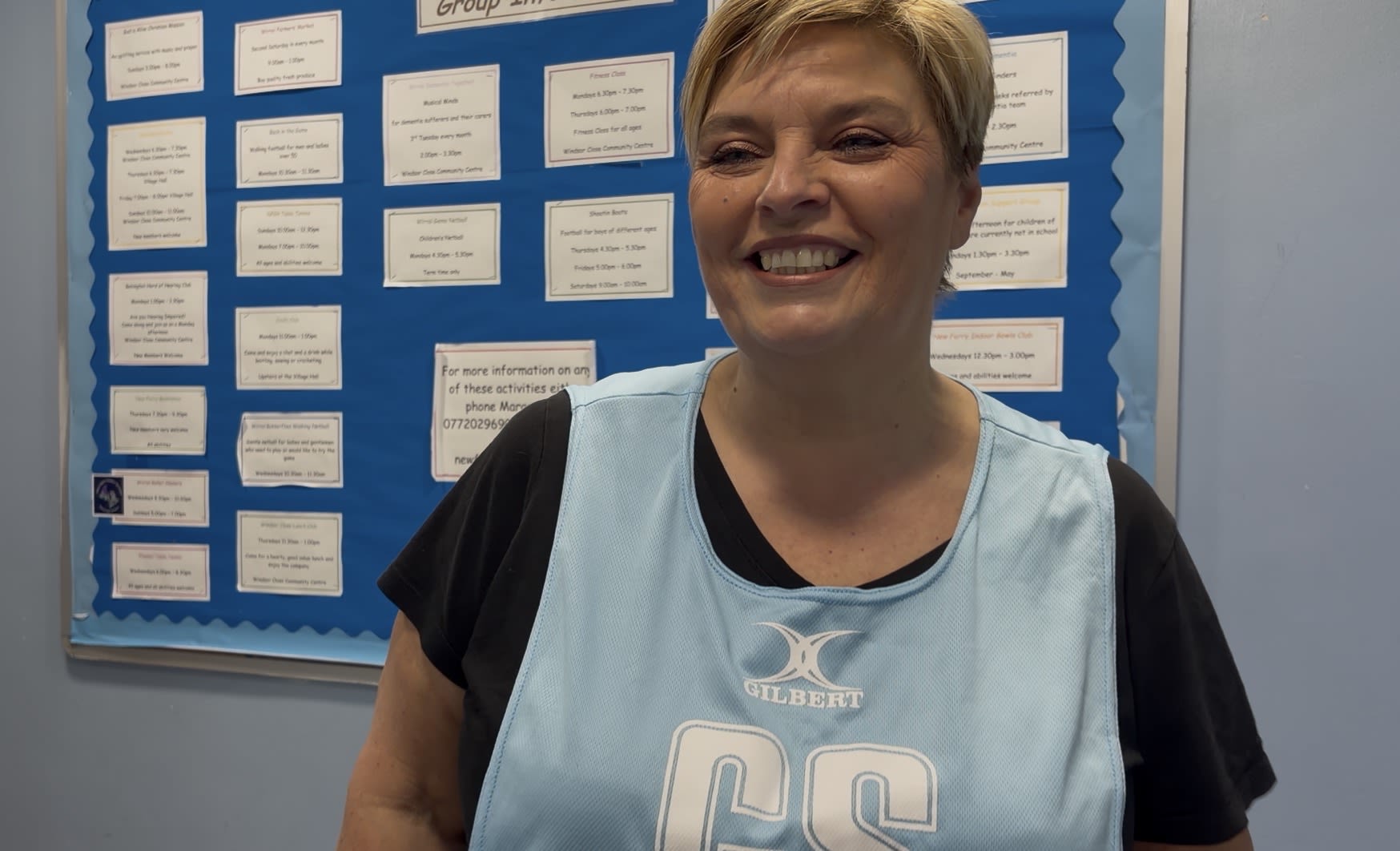
There are a number of reasons why women may find difficulty in playing sport at certain life stages. Lucy King caught up with New Ferry Walking Netball Club players Sarah Heeks and Colette Denby to see how they manage to stay active through all phases of life.
Encouragement for women and girls to be active is prevalent in today’s conversations surrounding sport.
With menopause typically occurring between the ages of 45 and 55, the physical and mental changes women experience in their mid-life can have a huge effect on their activeness.
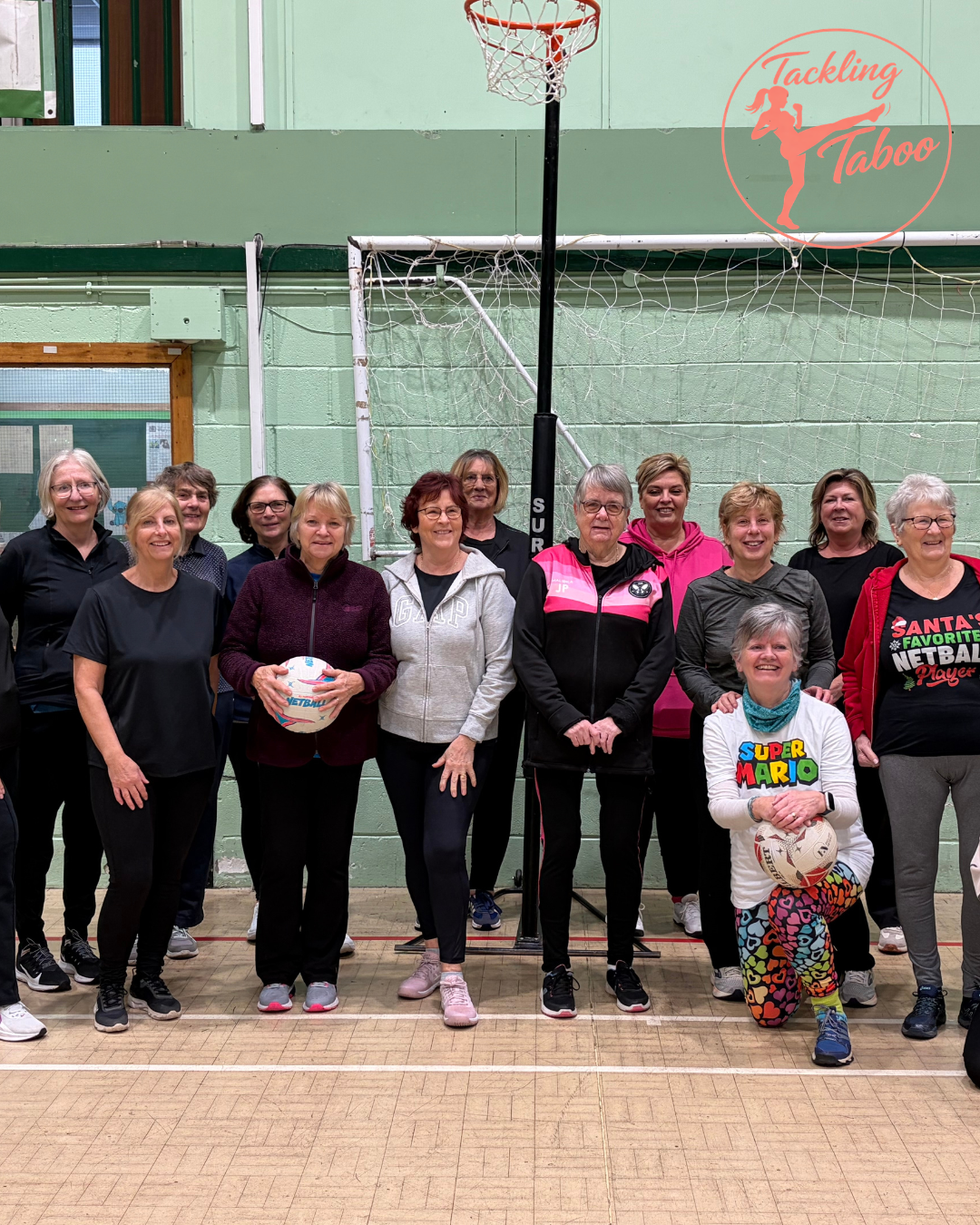
New Ferry Walking Netball Club is mostly home to women who have already been through menopause, including Colette, a retired teacher who found some aspects of it difficult to deal with.
She said: “I wasn’t sleeping and waking up in hot sweats.
“I got tired quicker, but I think I’ve got a lot of energy anyway, so I didn’t think it did affect my energy at the time.
“But when I look back, I suppose it did.”
Similar to menstruation, every woman has a unique ordeal with menopause.
Women in Sport found that 8 in 10 women experience the symptoms which tend to last an average of four years and vary in length and severity.
But how do these symptoms affect women’s relationship with sport?
Sometimes, the physical effects of ageing and menopause can go hand-in-hand to make playing sports more difficult for women.
"It was a double-edged sword"

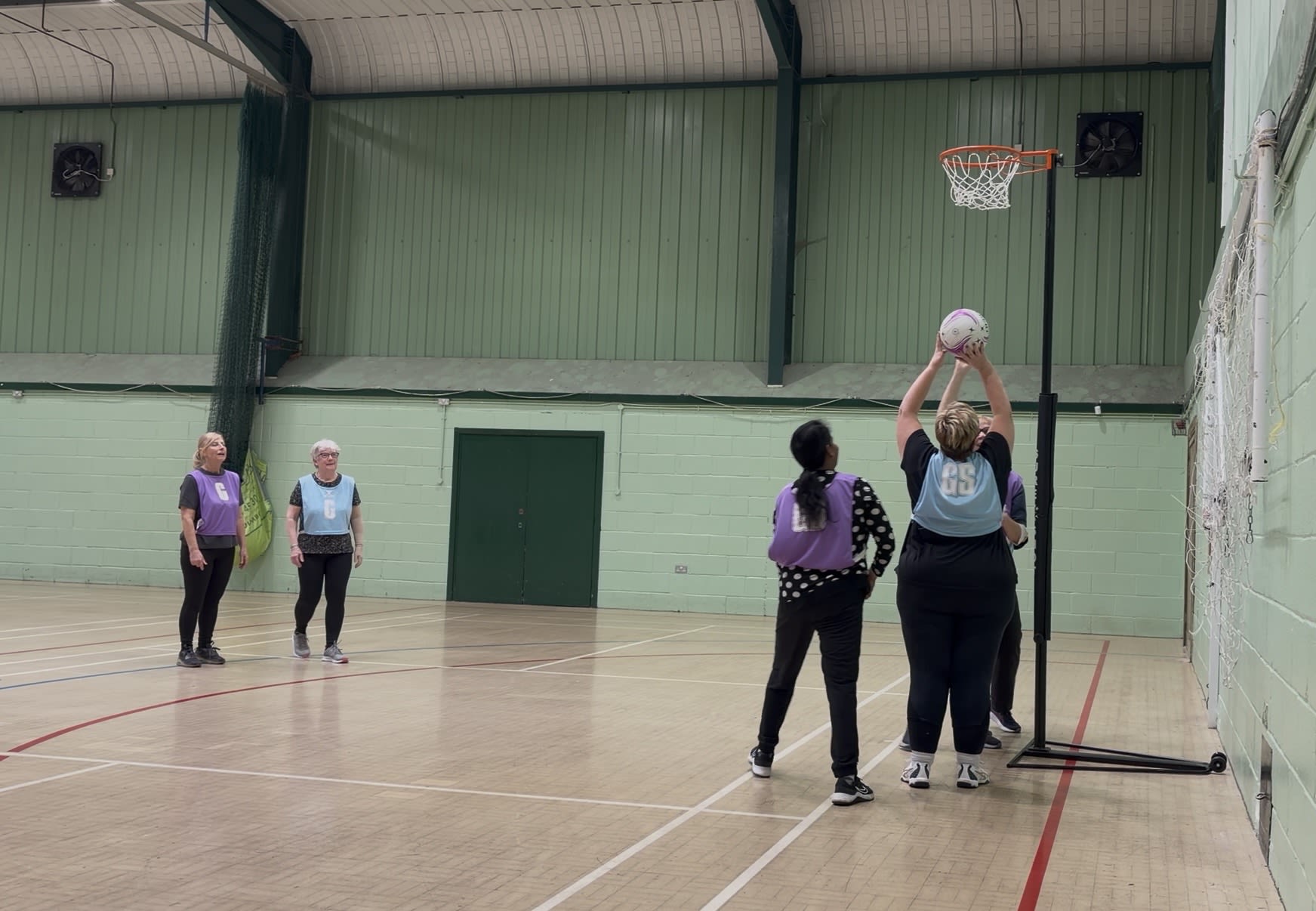
Photo credit: Lucy King
Photo credit: Lucy King
Colette’s teammate, Sarah said: “I've always struggled with my weight so when I went through menopause, my weight increased.
“So that made it even more difficult for me to carry on with my league netball.
“I'd also had an injury on my knee but, for me, it was the weight that was my issue and it was the weight that I piled on during menopause.”
With menopause being a taboo topic, it is hugely underdiscussed, especially in the time before Colette and Sarah were in their mid-life.
A fact that may be surprising to some is that women are at an increased risk of osteoporosis and cardiovascular disease following the onset of menopause, which can be prevented through regular physical activity.
Colette recalls a lack of conversation about the subject when she was younger.
She said: “My eldest daughter is 44 and she's got a lot more awareness of it than I have had.
“For me it was just something that you knew you were going to go through, but you didn't really speak about it.
“My mum had passed away when I was younger, so I never had that conversation with her.
“I think there's a lot more conversation about it now, there's a lot more awareness.
“When I hear things or read things now, I think ‘oh yeah I was like that.’”
Women in Sport also found that many older women say they have little to no role models who are involved in sport aged 55-75.
This leaves them with no one to identify with or be inspired by.
This can have an effect on their confidence when playing sport or wanting to begin being more physically active.
Throughout a woman’s entire life, there are multiple reasons why sports hobbies may be pushed aside such as having children, work or the effects of ageing.
This, again, varies between individuals.
"I've learnt to love me."
While Sarah reflected on her confidence growing throughout her life, after being shy as a child and building on her confidence through playing sport, Colette remembered playing sport being difficult at times.
She said: “I think the reason why I didn't come back to netball until I retired was because of confidence.
“When I was early 40s, I went back to netball for a couple of sessions, and it was just so fast and they were all younger.
“I knew there's just no way that I could have kept up with that.
“And then when I retired, I had the confidence then to look up the walking netball and that's how I got back into it.”
Many older women avoid fitness spaces where they feel alienated or intimidated, which can cause them to become 'inactive' (people who do less than 30 minutes of exercise per week)
Alongside this and a lack of role models, inactive women aged 55-75 don’t naturally encounter many places that prompt good fitness behaviours.
"There's no taboo subject."
But New Ferry Walking Netball Club ensures that all players feel welcome and understood.
With players building friendships and making light of what can sometimes be a difficult life to navigate.
Colette said: “We have a laugh about it, they're a great group of women, and there's a really good rapport.
“People fall over but you get back up, everybody rallies round, and it's just a good group with good banter.”
The sports industry of today is filled with female talent, which is why tackling the taboo topics is so vital to their continued success.









 Built with Shorthand